month · 7
Japan in July — landscapes & events
spots
Landscapes peaking in month 7

Farm Tomita
北海道 · Peak lavender bloom falls in early to mid-July and draws enormous crowds. Arrive at opening time or visit on a weekday to avoid the worst congestion. Mixed-flower fields extend the season into September — check the official website for current bloom conditions.
Hokuryu Sunflower Village
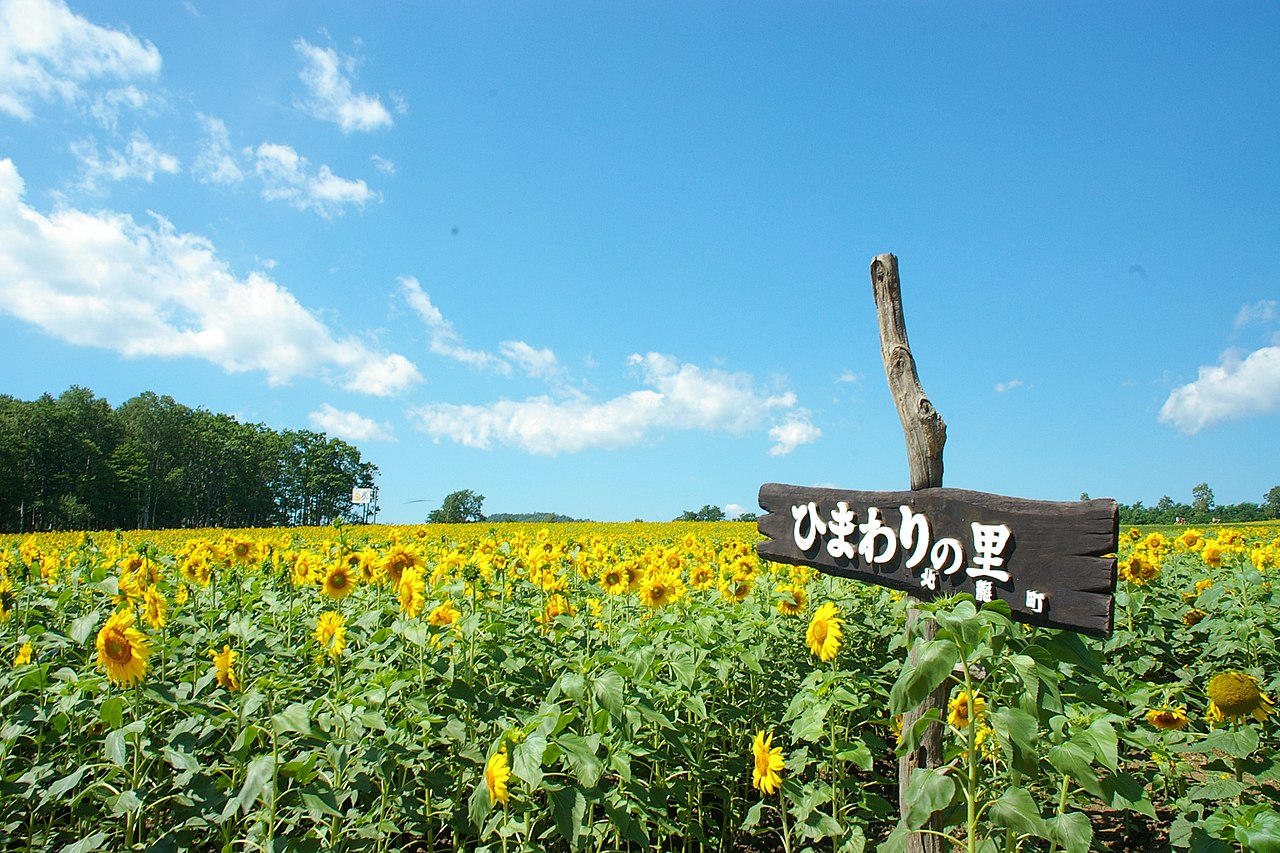
北海道 · Peak bloom typically runs mid-July to mid-August. Clear mornings with low-angled light offer the most dramatic views. Blooming dates shift with temperatures each year — check the town's official tourism site before visiting.

Mimurotoji Temple
京都府 · Azaleas and rhododendrons typically peak late April through mid-May; hydrangeas peak mid-June to early July, drawing the largest crowds. Weekday mornings are far quieter. Autumn foliage is usually best mid to late November. Confirm admission details on the official website.

Tatsuno Firefly Festival
長野県 · Genji fireflies typically peak in mid-to-late June. Overcast or lightly rainy evenings produce the most active displays. Activity begins around 8 p.m. Check the official website for the exact festival schedule and viewing conditions each year.

Achi Village (Japan's No.1 Starry Sky)
長野県 · The Milky Way is at its most spectacular from July through August; winter nights (December–March) offer exceptional transparency and steady air. The Heavens Sonohara gondola typically runs from winter into spring — check the official site for the current season's schedule. Aim for a night within a few days of the new moon.

Hasedera Temple (Kamakura)
神奈川県 · Hydrangeas are typically at their peak from early June to early July, when crowds are at their heaviest — expect queues along the main path. Cherry blossoms usually appear late March to early April; autumn foliage peaks from mid-November to early December. Visiting on a weekday morning is the single most effective way to beat the crowds. Confirm opening hours on the official website, as they vary by season.
Michinoku Ajisai Garden
岩手県 · The garden opens for roughly one month each year, typically from late June to late July. The famous Ajisai Pond — with thousands of blooms floating on water — usually appears in the second half of the season, around early July onward. Early and late varieties bloom at different times, so checking the current flowering status on official tourism sites before visiting is well worth the effort.

Hakone Tozan Railway "Hydrangea Train"
神奈川県 · Hydrangeas typically peak from mid-June through early July. Weekends and evening illumination periods during the season see heavy crowds on trains and at stations. Early morning weekday departures, or trains after late afternoon, tend to be noticeably less crowded.

Tambara Lavender Park
群馬県 · Peak bloom is generally mid-July to early August — two to three weeks later than lowland lavender due to the high elevation. Mornings offer cooler air and smaller crowds. Check the official site for real-time flowering conditions before your visit.

Yamanakako Hana no Miyako Park
山梨県 · Sunflowers in July–August and cosmos in September–October are the park's most celebrated seasons; both offer the rare pairing of blooms against Mount Fuji. Exact peak dates shift year to year — check the official site before visiting. The park sits at around 1,000 m, so layers are advisable even in summer.

Himawari no Oka Park
兵庫県 · Sunflowers typically peak from mid-July through August; cosmos reach their best around October. Exact timing varies with each year's weather — check Ono City's official tourism site before visiting. Early mornings offer the best light and smaller crowds.

Bihoro Pass
北海道 · Autumn foliage peaks in early to mid-October — one of Hokkaido's finest leaf-colour viewpoints. Summer (June–July) offers vivid green hillsides against the lake's deep blue. The fog-waterfall phenomenon occurs on cold, calm autumn and winter mornings; arrive early for the best chance of seeing it.

Mt. Tsurugi (Sea of Clouds)
徳島県 · The sea of clouds appears most reliably from late September to mid-November, ideally on mornings that follow a rainy day and turn calm and clear by dawn. Check local mountaineering communities or the tourist association website for up-to-date conditions before visiting.

Iriomote Island Starry Skies
沖縄県 · July through September, after the rainy season ends, delivers the Milky Way at its most vivid. January to March offers exceptional atmospheric transparency and sharp winter constellations. In all seasons, target nights within a few days of the new moon. Build flexibility into typhoon-season itineraries (August–October).

Ishigaki Island Starry Skies
沖縄県 · December through March offers the clearest, most transparent skies; late March to May is ideal for viewing Scorpius and the upper stars of the Southern Cross. July and August bring the richest Milky Way but also afternoon thunderstorms. Always target nights near the new moon and head away from the town centre.

Norikura Highlands Starry Skies
長野県 · July and August offer the richest Milky Way; late October into November brings exceptional atmospheric transparency and vivid autumn colour underfoot. The highland road is typically closed by snow from around December to late April or May — check current conditions before visiting. Nights within two or three days of the new moon give the darkest sky.

Odaigahara Plateau (Sea of Clouds)
奈良県 · The sea of clouds appears most reliably from September through November, especially after a rainy day followed by a clear, calm morning. Autumn foliage typically peaks in mid-to-late October. Rhododendrons bloom in early June. Always check conditions before visiting.
events
Events in 2026 / 7

July 1, 2026 〜 July 31, 2026
Gion Matsuri
京都府
Gion Matsuri events span the entire month of July. The Saki Matsuri yoiyama evenings fall around July 14–16, with the procession around the 17th; the Ato Matsuri procession follows around the 24th. Exact dates vary by year — check the official Yasaka Shrine website before planning your visit.
July 1, 2026 〜 July 31, 2026
Furano Lavender Season
北海道
Lavender typically blooms from late June through early August, peaking in mid- to late July. Exact timing varies each year depending on temperature. Check individual farm websites and the local tourism association for up-to-date bloom reports before your visit.

July 1, 2026 〜 July 15, 2026
Hakata Gion Yamakasa
福岡県
The festival runs annually from July 1st to July 15th, with the Oiyama climax starting at 4:59 a.m. on the 15th. Dates are largely fixed each year, but always verify the latest schedule with Kushida Shrine or the official Hakata Gion Yamakasa promotion association website.
July 3, 2026 〜 July 4, 2026
Abare Festival
石川県
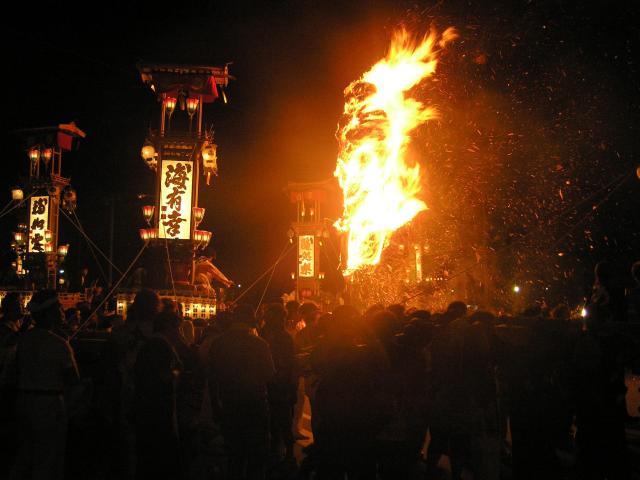
Held annually on the first Friday and Saturday of July. The kiriko procession begins on Friday evening after a fireworks signal. Exact dates shift slightly year to year — confirm on the official website (abarematsuri.jp) before planning travel.

July 11, 2026 〜 September 5, 2026
Gujo Odori Dance Festival
岐阜県
Held across more than thirty nights from mid-July to early September each year. The "Tetsuyaodori" all-night sessions fall during the Obon period, typically around August 13–16. Confirm exact dates and venues on the official website before your visit.

July 14, 2026
Nachi Fire Festival (Nachi no Ogi Matsuri)
和歌山県
The festival is held annually around July 14th as the main rite of Kumano Nachi Taisha. While the date is relatively fixed, the timing of individual ceremonies and supporting events can vary year to year. Always confirm the latest schedule with the shrine or the Nachikatsuura Town Tourism Association before your visit.
July 20, 2026 〜 August 18, 2026
Hokuryu Sunflower Village & Festival
北海道
Sunflowers typically reach peak bloom from early to mid-August, when the annual festival is also held. Exact timing varies with the season's temperatures — check the Hokuryu Tourism Association's official site for current bloom updates before you visit.

July 24, 2026 〜 July 25, 2026
Tenjin Matsuri
大阪府
The main events (Hon-miya) are traditionally held on July 24 and 25 each year. Fireworks and specific schedules may vary; always verify details on the official Osaka Tenmangu website before attending.

July 24, 2026 〜 July 26, 2026
Tobata Gion Oyamagasa
福岡県
The festival is typically held over a weekend in late July. Exact dates vary each year, so check the city's official tourism site or local festival announcements. July heat and humidity are intense — hydration and sun protection are essential.

July 25, 2026
Sumida River Fireworks Festival
東京都
Held annually on a Saturday in late July. Postponement to the following Saturday is common in the event of heavy rain or storms. Always check the official website and announcements from Taito and Sumida wards for the confirmed date and any last-minute changes.

July 25, 2026 〜 August 23, 2026
Sera Kogen Farm Sunflower Festival
広島県
Sunflowers at Sera Kogen Farm typically peak in late July through early August, though the exact timing shifts with each year's weather. Admission fees and hours vary annually — check the official website or contact the farm directly before planning your trip.
July 25, 2026
Tenjin Matsuri Fireworks
大阪府
The fireworks are launched on the evening of the Honmiya (main festival day), which falls on approximately July 25th each year. The date is largely fixed, but exact timing and any changes should be confirmed on the official Osaka Tenmangu website before your visit.