
Photo: kkawamura / Wikimedia Commons (CC BY 4.0)
北海道
Abashiri Drift Ice (Aurora Icebreaker Cruise)
Overview
The city of Abashiri on Hokkaido's Sea of Okhotsk coast holds a distinction that belongs to very few places on Earth: it sits at roughly the southernmost latitude where drift ice forms on open ocean. Each winter, freshwater carried down from Siberia's Amur River spreads across the Okhotsk Sea, freezes in the deep cold, and is driven southward by prevailing winds and currents until, typically between late January and early March, it arrives at the shores of Abashiri as a vast, grinding, luminous field of ice. The floes range from wafer-thin sheets to slabs more than a metre thick, piling and rafting into a white landscape that extends, on a clear day, as far as the eye can reach. The most direct way to enter this landscape is aboard the Okhotsk drift-ice sightseeing icebreaker Aurora. Departing from Abashiri port, the specially reinforced vessel breaks its way out into the ice field, giving passengers not just a view of the drift ice but the full physical sensation of it — the deep shudder as the hull rides up onto the floe and cracks it beneath the ship's weight, the sound of fractured ice plates grinding against the hull, and the sight of a compressed white horizon that has no equivalent anywhere in mainland Japan. On clear days the contrast between the intense deep blue the Okhotsk Sea shows wherever ice is absent — locally called 'Okhotsk blue' — and the surrounding white is almost hallucinatory. From the upper deck, the peaks of the Shiretoko Peninsula can sometimes be seen in the distance, adding a mountainous frame to an already extraordinary panorama. The ecological significance of the drift ice deepens its appeal. Below the ice, phytoplankton flourishes in conditions that would otherwise be too dim or cold, seeding the food chains that sustain the Okhotsk's extraordinary marine productivity through spring and summer. The ice also draws wildlife: Steller's sea eagles and white-tailed eagles congregate along the ice edge, and the tiny sea angel Clione — a translucent shell-less mollusc found nowhere else in Japan in such numbers — drifts in the cold water beneath. When the ice retreats, the sea it leaves behind is among the most productive fishing grounds in the North Pacific. This single seasonal phenomenon — drift ice that arrives, stays for weeks, then vanishes — shapes the landscape, the ecosystem, and the culture of Abashiri in a way that makes winter here unlike winter anywhere else in Japan.
Best period
Drift ice typically arrives in late January and retreats by early March, with the densest coverage usually in the first half of February. Aurora cruises run subject to ice and weather conditions — confirm schedules and book ahead on the official website. Warm, windproof layers, gloves, and ear protection are essential on deck.
2 〜 3 月
Access
📍 Address: 5-1 Minami 3-jo Higashi 4-chome, Abashiri, Hokkaido
Abashiri Station (JR Senmo Line) is the nearest rail hub; the port is about 20 minutes on foot or a short taxi ride. Rental cars are convenient for the broader area. Cruises typically require advance booking, which is essential during peak February weekends.
Map
Related spots
Same theme

北海道
Shiretoko Drift Ice
Best period·February is generally the peak month for drift ice, though ice can appear from late January and persists into early March. Conditions vary considerably year to year. Check the latest ice contact and density reports through the Drift Ice Information Center or the icebreaker's official site before you travel.

北海道
Monbetsu Drift Ice (Garinko-go)
Best period·Late January to early March

北海道
Rausu Drift Ice Cruise
Best period·February to mid-March
In the same area

北海道
Farm Tomita
Best period·Peak lavender bloom falls in early to mid-July and draws enormous crowds. Arrive at opening time or visit on a weekday to avoid the worst congestion. Mixed-flower fields extend the season into September — check the official website for current bloom conditions.
北海道
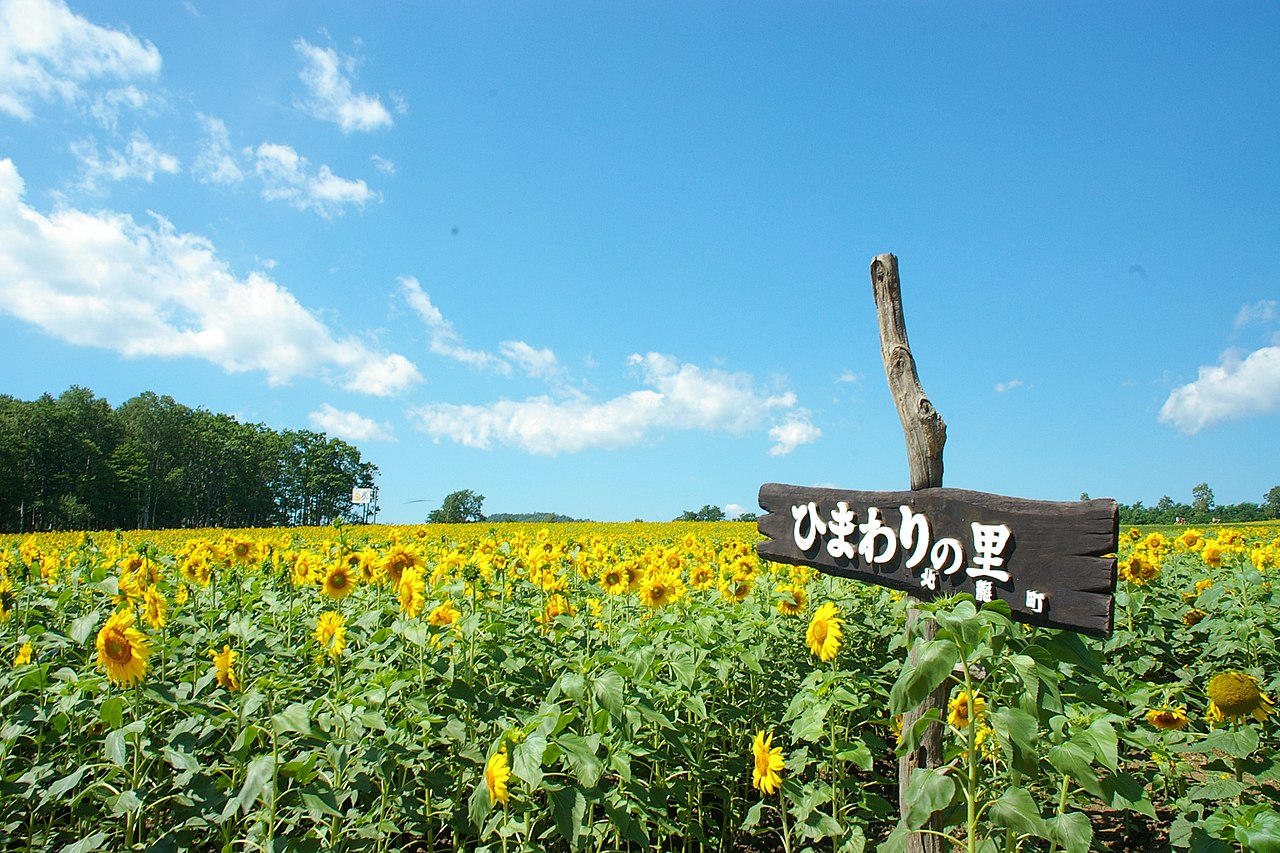
Hokuryu Sunflower Village
Best period·Peak bloom typically runs mid-July to mid-August. Clear mornings with low-angled light offer the most dramatic views. Blooming dates shift with temperatures each year — check the town's official tourism site before visiting.

北海道
Sounkyo Gorge
Best period·Autumn colour peaks around early-to-mid October — earlier than most of Japan. Summer (July–August) is ideal for the waterfalls and alpine hiking. The winter ice festival runs roughly January–February; check official sources for exact dates and hours.

北海道
Takinoue Park (Pink Moss)
Best period·Pink moss typically peaks from mid-May to early June, though the exact timing shifts by a week or two depending on the year's temperatures. Check the official Takinoue tourism website for current bloom updates before your visit. Early morning light is ideal for photography, and crowds are thinner before midday.

北海道
Bihoro Pass
Best period·Autumn foliage peaks in early to mid-October — one of Hokkaido's finest leaf-colour viewpoints. Summer (June–July) offers vivid green hillsides against the lake's deep blue. The fog-waterfall phenomenon occurs on cold, calm autumn and winter mornings; arrive early for the best chance of seeing it.

北海道
Mt. Daisetsu (Asahidake & Kurodake)
Best period·Asahidake's foliage typically peaks in late August to early September — among the earliest in all of Japan. Kurodake follows in mid-to-late September. Alpine flowers are at their best in July and August. Both gondolas become very crowded during peak autumn colour; visit on weekdays and arrive early to avoid long queues.
events nearby
北海道 · 2026

February 4, 2026 〜 February 11, 2026
Sapporo Snow Festival
北海道
Typically held for approximately ten days in early to mid-February. Exact dates and venue details vary year to year — always check the official website for the current schedule before planning your visit.
July 1, 2026 〜 July 31, 2026
Furano Lavender Season
北海道
Lavender typically blooms from late June through early August, peaking in mid- to late July. Exact timing varies each year depending on temperature. Check individual farm websites and the local tourism association for up-to-date bloom reports before your visit.

February 6, 2026 〜 February 11, 2026
Asahikawa Winter Festival
北海道
Typically held for several days in early to mid-February. Exact dates and venue details change each year — check the official website before making plans. Weekends draw the largest crowds.
July 20, 2026 〜 August 18, 2026
Hokuryu Sunflower Village & Festival
北海道
Sunflowers typically reach peak bloom from early to mid-August, when the annual festival is also held. Exact timing varies with the season's temperatures — check the Hokuryu Tourism Association's official site for current bloom updates before you visit.

February 7, 2026 〜 February 14, 2026
Otaru Snow Light Path
北海道
Held annually for approximately ten days in early to mid-February. Exact dates, lighting hours, and venue details vary each year — always check the official website before your visit. Events may be reduced in severe weather.

November 20, 2026 〜 March 14, 2027
Sapporo White Illumination
北海道
Typically runs from late November through the end of February. Exact dates, venue areas, and lighting hours vary by year — always check the official website before visiting. Year-end holidays and weekends are the busiest periods.