
Photo: Takeshi Kuboki / Wikimedia Commons (CC BY 2.0)
京都府
Arashiyama
Overview
Arashiyama unfolds along the western edge of Kyoto, where the Oi River — called the Katsura River downstream — sweeps in a broad arc beneath the forested slopes of Mount Arashiyama and Mount Ogura. The district has been a retreat for Kyoto's aristocracy since the Heian period, and it retains that quality of unhurried elegance even today. At its centre stands Togetsu-kyo, the "Moon-Crossing Bridge," a 155-metre wooden-beamed span whose name derives from a poem composed by the retired emperor Kameyama in the Kamakura era, who likened the sight of the full moon gliding overhead to a celestial body crossing the sky. Looking back at the bridge from the river banks — mountain ridges behind, water before — it is easy to understand why court poets considered this landscape among the finest in all of Japan. The Bamboo Grove north of Tenryu-ji is the image most visitors carry away from Arashiyama. Along a roughly 400-metre path connecting the temple's north gate to Nonomiya Shrine, towering stands of moso and hachiku bamboo rise so densely that the sky all but disappears. The grove produces a living, breathing sound as wind moves through the canes — a quality recognised by Japan's Ministry of the Environment as one of the country's top one hundred soundscapes. Nearby, Tenryu-ji itself is a UNESCO World Heritage site. Founded in 1339 by the Zen master Muso Soseki and the shogun Ashikaga Takauji, its Sogenchi Pond Garden uses the mountains of Arashiyama as borrowed scenery in a design that has remained essentially unchanged for nearly seven centuries. Arashiyama transforms completely with the seasons. Spring brings cherry blossoms that cascade over the railing of Togetsu-kyo and drift down the river. Summer turns the mountain trails and the banks of the Hozu River a deep, saturated green, and traditional boat rides down the Hozugawa rapids offer a rare perspective on the gorge. Autumn — typically from mid- to late November — is widely considered the district's finest hour: the maples of Mount Ogura ignite in layers of crimson and gold above the river, and the scene from the bridge at dusk can feel almost unreal. Even winter has its devotees: a rare dusting of snow on the bamboo grove or the curved bridge can stop the most seasoned traveller in their tracks.
Best period
Autumn foliage typically peaks mid- to late November; cherry blossoms usually appear late March to early April. Weekends during both seasons see heavy crowds throughout the day — arriving early on a weekday, ideally at opening time, makes an enormous difference. The bamboo grove is at its most atmospheric in early morning mist.
11 〜 12 月
Access
📍 Address: Saga and Arashiyama districts, Ukyo / Nishikyo, Kyoto
From Kyoto Station, take the JR Sagano Line to Saga-Arashiyama Station (about 15 minutes), or the Hankyu Line to Arashiyama Station. During peak foliage and blossom seasons, road traffic is severe; public transport is strongly recommended.
Map
Related spots
Same theme

京都府
Kiyomizu-dera Temple
Best period·Autumn foliage typically peaks mid- to late November, when the temple's maple groves rival the stage itself as the main attraction. Special evening illumination events are usually held during this period and in cherry blossom season — check the official site for exact dates and admission. Arriving right at opening time is the most reliable way to beat the crowds.

京都府
Eikando Zenrinji Temple
Best period·Autumn foliage typically peaks from mid to late November, when the roughly 3,000 maples across the grounds ignite in deep red. Evening illumination events are usually held during peak season (check the official site for schedules). Weekday mornings are far less crowded than weekends; the fresh greenery of May is a serene off-season alternative.

広島県
Miyajima Momijidani Park
Best period·Autumn foliage typically peaks mid-November to early December. Sunny mornings offer the most vivid light through the maples; evening illuminations (held most years during peak season — confirm with the Miyajima Tourism Association) add a magical dimension. Weekday mornings are far quieter than weekends.

青森県
Oirase Stream
Best period·Autumn foliage typically peaks mid to late October — among the most spectacular in the Tohoku region. Summer (July–August) is popular for misty mornings and cool forest shade. Arrive at opening time or visit on weekdays to avoid the heaviest crowds.

北海道
Sounkyo Gorge
Best period·Autumn colour peaks around early-to-mid October — earlier than most of Japan. Summer (July–August) is ideal for the waterfalls and alpine hiking. The winter ice festival runs roughly January–February; check official sources for exact dates and hours.

栃木県
Nikko (Irohazaka & Lake Chuzenji)
Best period·Autumn foliage typically peaks from mid-October to early November — about three to four weeks earlier than in the lowlands. Weekend traffic on Irohazaka during peak season can be severe; weekday mornings are strongly preferred. Check the latest foliage conditions on the official Nikko tourism site before heading out.
In the same area

京都府
Mimurotoji Temple
Best period·Azaleas and rhododendrons typically peak late April through mid-May; hydrangeas peak mid-June to early July, drawing the largest crowds. Weekday mornings are far quieter. Autumn foliage is usually best mid to late November. Confirm admission details on the official website.

京都府
Daigo-ji Temple
Best period·Cherry blossoms typically peak in late March to early April, with the weeping cherry at Sanbo-in especially prized. Autumn foliage is at its best mid-to-late November. Both seasons bring large crowds; early morning entry is strongly recommended. The trail to Upper Daigo suits fit walkers.

京都府
Maruyama Park
Best period·The weeping cherry typically blooms late March to early April. Evening illuminations are held during peak bloom — hours vary by year, so check the latest official information. Weekday mornings and evening visits during blossom season offer far fewer crowds than weekend afternoons.

京都府
Philosopher's Path
Best period·Cherry blossoms typically peak from late March to early April; autumn foliage is usually at its best from mid- to late November. Weekend mornings during blossom season draw very large crowds — a weekday visit before 8 a.m., walking south from the Ginkaku-ji end, is the best way to experience the path in relative peace.
京都府
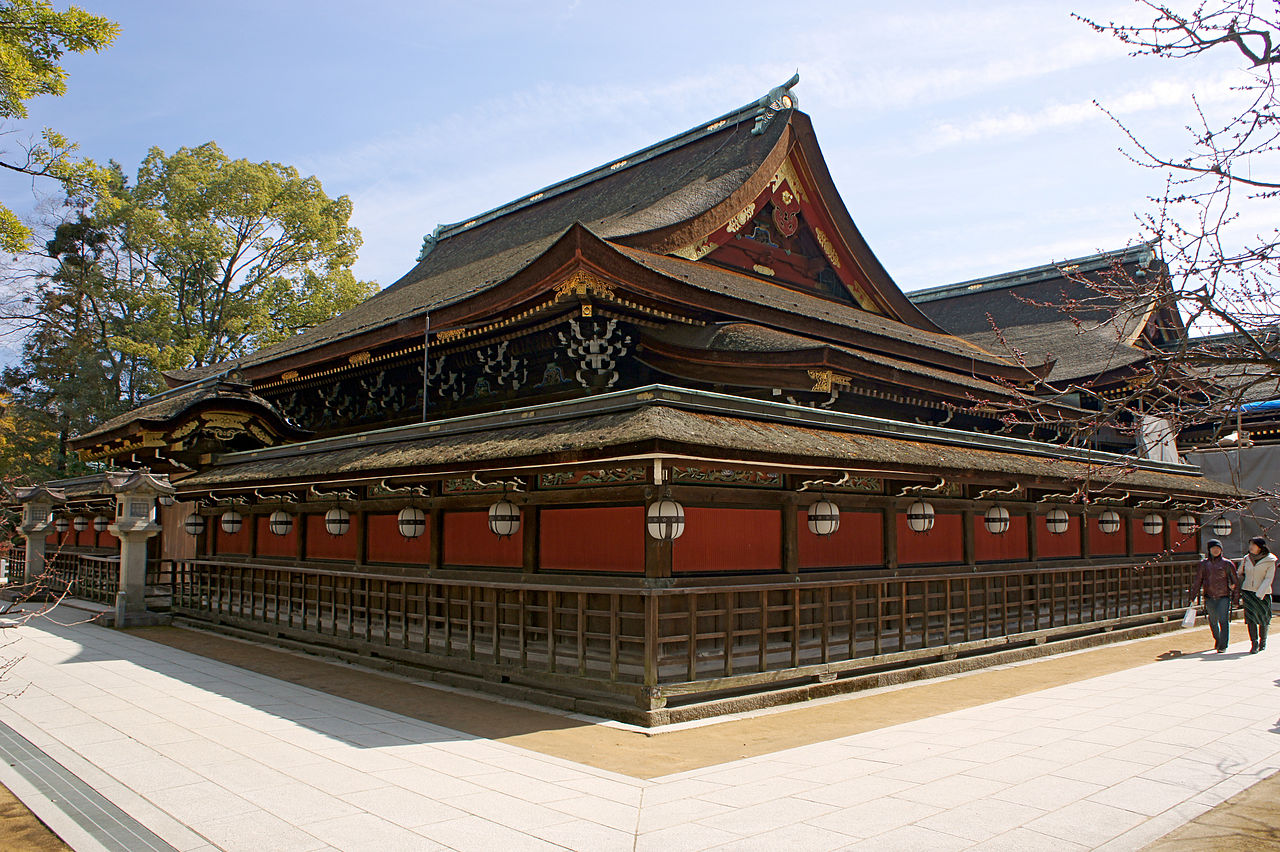
Kitano Tenmangu Shrine
Best period·Plum blossoms typically peak from early February to mid-March, when the inner plum garden opens for a fee. Autumn foliage in the maple garden usually runs mid-November to early December. The Tenjin-ichi market is held on the 25th of every month. Check the official site for exact admission periods and fees.

京都府
Tofuku-ji Temple
Best period·Autumn colour typically peaks from mid to late November; queues for Tsuten-kyo Bridge can stretch for hours on popular weekends. Aim for a weekday and arrive at opening time. The fresh green 'ao-momiji' of April–May offers a serene, crowd-free alternative with equally striking reflections in the ravine.
events nearby
京都府 · 2026

July 1, 2026 〜 July 31, 2026
Gion Matsuri
京都府
Gion Matsuri events span the entire month of July. The Saki Matsuri yoiyama evenings fall around July 14–16, with the procession around the 17th; the Ato Matsuri procession follows around the 24th. Exact dates vary by year — check the official Yasaka Shrine website before planning your visit.
December 11, 2026 〜 December 20, 2026
Arashiyama Hanatoro
京都府
Hanatoro typically runs for around ten days in early to mid-December, from sunset until approximately 9 p.m. Dates and hours vary each year. Check the official Kyoto Hanatoro website before your visit, and dress warmly — December nights in Arashiyama are cold.

May 15, 2026
Aoi Matsuri (Hollyhock Festival)
京都府
The main procession, the rotonogi, takes place around May 15th each year. In the event of rain it is typically postponed to the following day. The purification ceremony, the misogi, is held at the Kamo River on approximately May 14th. Check the official shrine websites for confirmed dates before visiting.

November 14, 2026 〜 December 9, 2026
Eikando Autumn Leaves
京都府
Peak colour typically falls in the second to third week of November, though the exact timing shifts each year with temperature. Evening illuminations usually run concurrently. Check the official website for current admission fees and hours before visiting.

August 16, 2026
Gozan no Okuribi (Five Mountain Bonfires)
京都府
Gozan no Okuribi takes place on the evening of August 16th each year, rain or shine (though severe weather may cause changes). Each mountain is lit in sequence over roughly 15–20 minutes starting after dark. Confirm exact lighting times with the Kyoto City Tourism Association or official sources before your visit.

October 22, 2026
Jidai Matsuri (Festival of the Ages)
京都府
Held annually on October 22nd, the founding anniversary of Heian Jingū. In the event of heavy rain or severe weather, the procession is typically postponed to the 23rd. Confirm the exact schedule on the Heian Jingū or City of Kyoto official website.