
Photo: 切干大根 / Wikimedia Commons (CC BY-SA 4.0)
北海道
Bihoro Pass
Overview
Bihoro Pass sits at roughly 525 metres above sea level on National Route 243, straddling the boundary between Bihoro Town and Teshikaga Town in eastern Hokkaido. It is not a dramatic alpine crossing but rather a broad, open saddle in the forested hills that separate the inland plateau from the Kusharo caldera — and it is from this saddle that one of Hokkaido's most celebrated panoramas unfolds. Step out of the car at the roadside viewpoint and Lake Kussharo fills the entire visual field below: a sheet of deep blue covering around 79 square kilometres, Japan's largest caldera lake, with the solitary mass of Nakajima Island floating near its centre and the distant silhouettes of Mashu and Shari mountains sketching the horizon beyond. What makes Bihoro Pass more than a scenic overlook is the quality of light and atmosphere it concentrates. On clear summer mornings the lake surface reflects an almost theatrical blue that deepens as the day advances. In mid-autumn — typically the first two weeks of October — the slopes of birch, rowan and Japanese oak wrapped around the viewpoint ignite in orange and amber, framing the unchanged blue of the lake beneath them in a pairing of colour that feels almost contrite in its beauty. Winter strips everything back to monochrome: snow-blanketed hillsides, a lake shore slowly surrendering to ice, and an enormous silence. Perhaps the most compelling reason to visit in late autumn or early winter is the chance to witness what locals call the 'fog waterfall' — a phenomenon in which cold, dense mist generated over the still-warm lake surface spills over the ridge and cascades down toward the Bihoro side of the pass in slow, weightless curtains. The effect is entirely dependent on temperature differentials and wind, so it cannot be scheduled, only hoped for. A rest house and small shops near the car park make the pass an easy stop on any drive through the Akan-Mashu area.
Best period
Autumn foliage peaks in early to mid-October — one of Hokkaido's finest leaf-colour viewpoints. Summer (June–July) offers vivid green hillsides against the lake's deep blue. The fog-waterfall phenomenon occurs on cold, calm autumn and winter mornings; arrive early for the best chance of seeing it.
6 〜 9 月
Access
📍 Address: Furuume, Bihoro-cho, Abashiri, Hokkaido (Route 243)
Scheduled buses (Shari Bus and others) run along Route 243 between Bihoro and Teshikaga, stopping near the pass. By car, the pass is directly on Route 243; free parking at the viewpoint. Expect heavy traffic and full car parks during autumn colour season.
Map
Related spots
Same theme

兵庫県
Takeda Castle Ruins
Best period·The sea of clouds appears most often from early October to late November on clear mornings with a sharp overnight temperature drop; peak viewing is roughly 6–8 a.m. The Riunkyō viewing platforms fill before dawn, so arrive early. Cherry blossoms in April are a secondary highlight.

徳島県
Mt. Tsurugi (Sea of Clouds)
Best period·The sea of clouds appears most reliably from late September to mid-November, ideally on mornings that follow a rainy day and turn calm and clear by dawn. Check local mountaineering communities or the tourist association website for up-to-date conditions before visiting.

奈良県
Odaigahara Plateau (Sea of Clouds)
Best period·The sea of clouds appears most reliably from September through November, especially after a rainy day followed by a clear, calm morning. Autumn foliage typically peaks in mid-to-late October. Rhododendrons bloom in early June. Always check conditions before visiting.
北海道
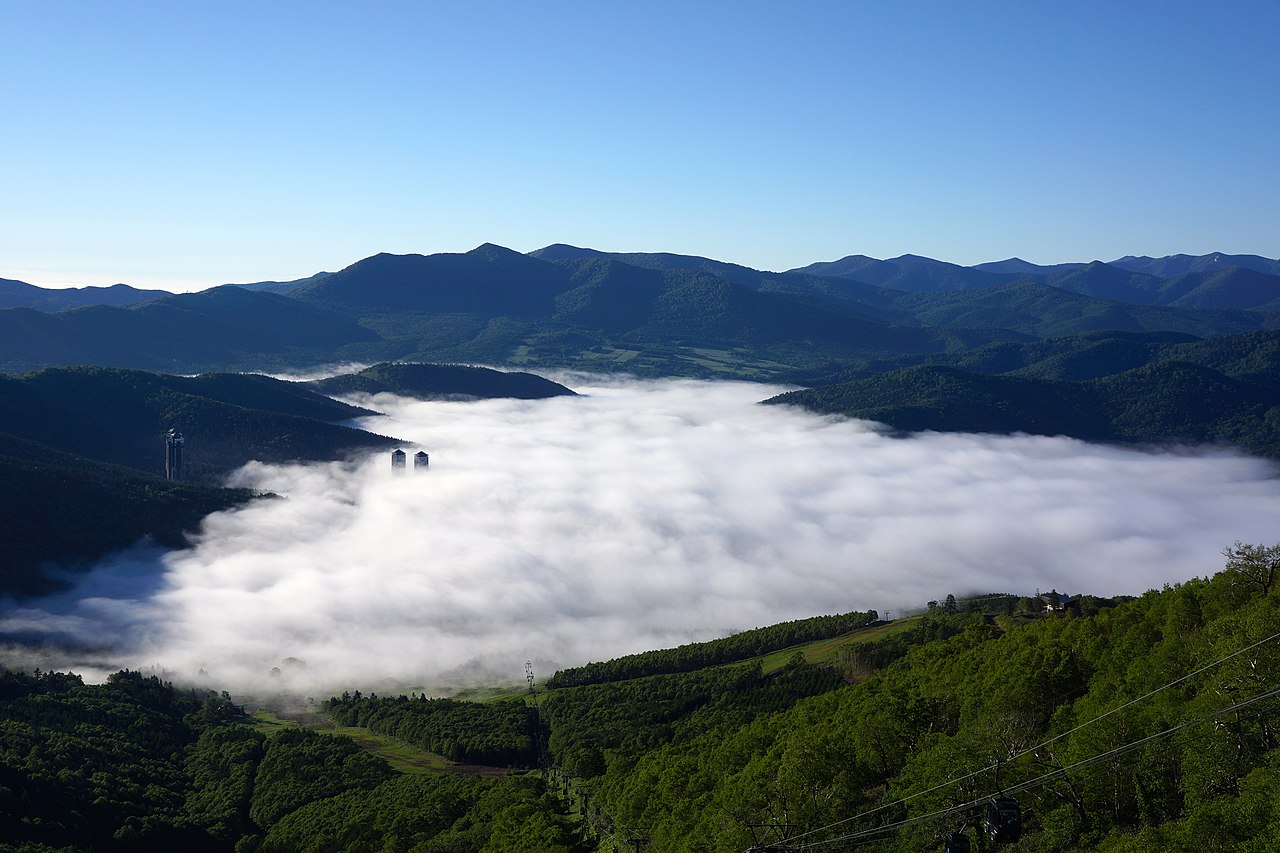
Unkai Terrace at Hoshino Resorts Tomamu
Best period·Early mornings from mid-May to mid-October (subject to weather)

長野県
SORA terrace, Ryuoo Mountain Park
Best period·June to October, especially early mornings after rain and at dusk (weather dependent)

熊本県
Aso Daikanbo Sea of Clouds
Best period·Clear, sharply chilled early mornings from late September to November (weather dependent)
In the same area

北海道
Farm Tomita
Best period·Peak lavender bloom falls in early to mid-July and draws enormous crowds. Arrive at opening time or visit on a weekday to avoid the worst congestion. Mixed-flower fields extend the season into September — check the official website for current bloom conditions.
北海道
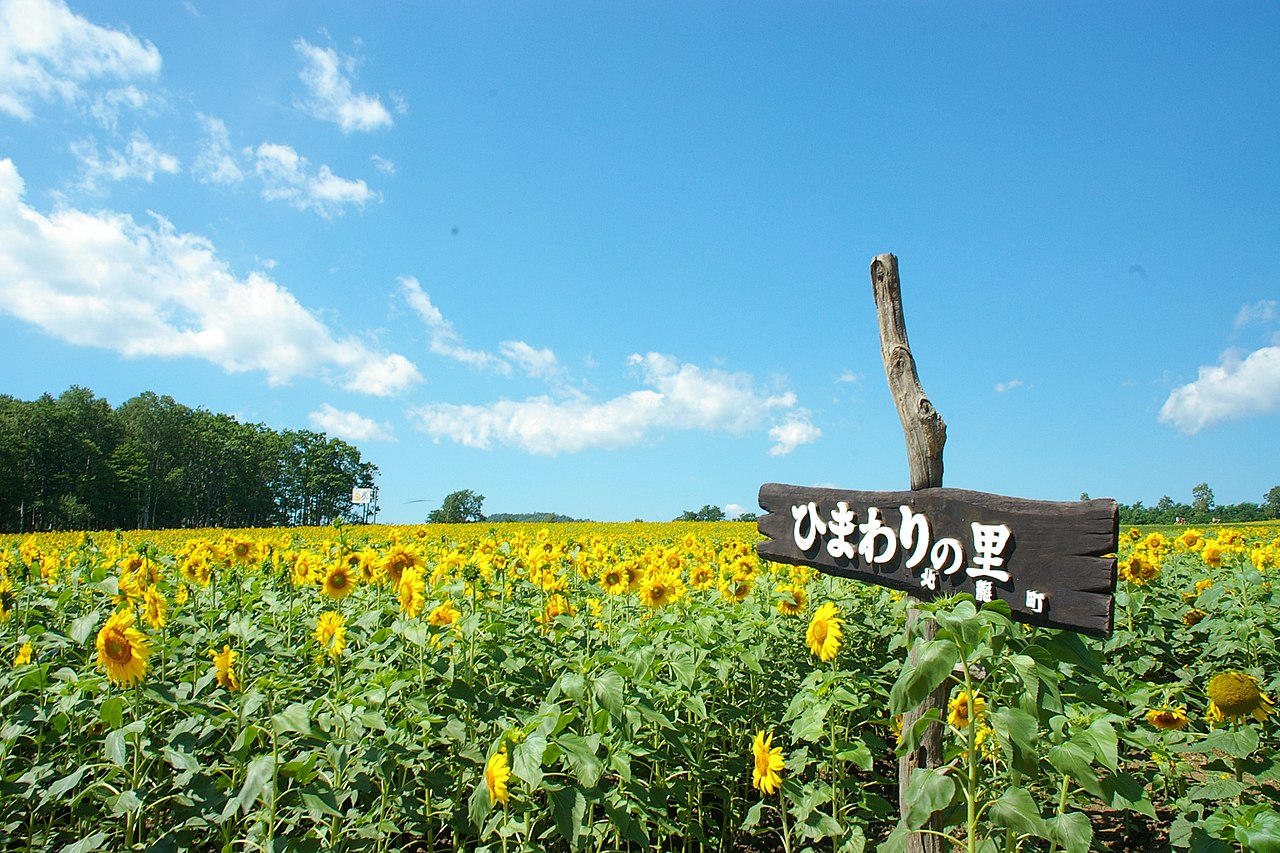
Hokuryu Sunflower Village
Best period·Peak bloom typically runs mid-July to mid-August. Clear mornings with low-angled light offer the most dramatic views. Blooming dates shift with temperatures each year — check the town's official tourism site before visiting.

北海道
Shiretoko Drift Ice
Best period·February is generally the peak month for drift ice, though ice can appear from late January and persists into early March. Conditions vary considerably year to year. Check the latest ice contact and density reports through the Drift Ice Information Center or the icebreaker's official site before you travel.

北海道
Sounkyo Gorge
Best period·Autumn colour peaks around early-to-mid October — earlier than most of Japan. Summer (July–August) is ideal for the waterfalls and alpine hiking. The winter ice festival runs roughly January–February; check official sources for exact dates and hours.

北海道
Takinoue Park (Pink Moss)
Best period·Pink moss typically peaks from mid-May to early June, though the exact timing shifts by a week or two depending on the year's temperatures. Check the official Takinoue tourism website for current bloom updates before your visit. Early morning light is ideal for photography, and crowds are thinner before midday.

北海道
Mt. Daisetsu (Asahidake & Kurodake)
Best period·Asahidake's foliage typically peaks in late August to early September — among the earliest in all of Japan. Kurodake follows in mid-to-late September. Alpine flowers are at their best in July and August. Both gondolas become very crowded during peak autumn colour; visit on weekdays and arrive early to avoid long queues.
events nearby
北海道 · 2026

February 4, 2026 〜 February 11, 2026
Sapporo Snow Festival
北海道
Typically held for approximately ten days in early to mid-February. Exact dates and venue details vary year to year — always check the official website for the current schedule before planning your visit.
July 1, 2026 〜 July 31, 2026
Furano Lavender Season
北海道
Lavender typically blooms from late June through early August, peaking in mid- to late July. Exact timing varies each year depending on temperature. Check individual farm websites and the local tourism association for up-to-date bloom reports before your visit.

February 6, 2026 〜 February 11, 2026
Asahikawa Winter Festival
北海道
Typically held for several days in early to mid-February. Exact dates and venue details change each year — check the official website before making plans. Weekends draw the largest crowds.
July 20, 2026 〜 August 18, 2026
Hokuryu Sunflower Village & Festival
北海道
Sunflowers typically reach peak bloom from early to mid-August, when the annual festival is also held. Exact timing varies with the season's temperatures — check the Hokuryu Tourism Association's official site for current bloom updates before you visit.

February 7, 2026 〜 February 14, 2026
Otaru Snow Light Path
北海道
Held annually for approximately ten days in early to mid-February. Exact dates, lighting hours, and venue details vary each year — always check the official website before your visit. Events may be reduced in severe weather.

November 20, 2026 〜 March 14, 2027
Sapporo White Illumination
北海道
Typically runs from late November through the end of February. Exact dates, venue areas, and lighting hours vary by year — always check the official website before visiting. Year-end holidays and weekends are the busiest periods.