
Photo: Daderot / Wikimedia Commons (CC0)
東京都
Chidorigafuchi Moat
Overview
Chidorigafuchi Moat Promenade is a roughly 700-metre waterside walkway that follows the northwestern edge of the Imperial Palace grounds in the heart of Tokyo's Chiyoda district. The moat itself dates to the Edo period, when it formed part of the outer defences of Edo Castle; its name — literally "the moat shaped like a plover in flight" — comes from the gentle crescent curve of the water, said to resemble the wingspread of those small shorebirds. After the Meiji Restoration the surrounding land was reorganised as part of the Imperial Palace Outer Garden, and the promenade took its current form in the postwar decades. It is in spring that Chidorigafuchi becomes one of the most celebrated spots in all of Japan. The approximately 260 cherry trees — predominantly Somei Yoshino — planted along both sides of the path arch their branches outward over the water until, at peak bloom, they form a continuous tunnel of white and pale pink overhead. From the walkway the effect is already breathtaking; from a rowing boat on the moat itself it is something else entirely: petals drift down around you while the branches close in above, and the reflected blossoms turn the surface of the water into a second sky. As the bloom fades, fallen petals gather into drifting clusters — known in Japanese as hanaikada, "flower rafts" — that slide slowly across the still, dark water. Rowing boats are typically available for hire during the blossom season (confirm current arrangements with official sources), making this one of the few urban cherry-blossom destinations in Tokyo where you can experience the trees from the water. Outside blossom season the moat is far quieter, but no less rewarding for the patient visitor. In early summer the foliage deepens to a saturated green that turns the water almost emerald. In autumn, maple and zelkova leaves reflected in the glassy surface lend the canal a painterly quality. The promenade runs alongside the Chidorigafuchi National Cemetery, a dignified resting place for unidentified war dead, which gives the whole area a layer of historical gravity that sets it apart from purely recreational green spaces. Yasukuni Shrine and Kitanomaru Park are both within easy walking distance, making Chidorigafuchi a natural anchor point for an unhurried half-day circuit of the Imperial Palace's northern perimeter.
Best period
Cherry blossoms typically peak from late March to early April, and the promenade can be extremely crowded on weekends — even late into the evening. Evening illuminations are usually held during blossom season (check official sources for current details). Arriving early on a weekday morning gives the most serene experience.
3 〜 4 月
Access
📍 Address: Kudan-Minami to Sanban-cho, Chiyoda, Tokyo
From Hanzomon Station (Tokyo Metro Hanzomon Line), take Exit 5 and walk approximately 3 minutes. From Kudanshita Station (Tokyo Metro Tozai/Hanzomon/Toei Shinjuku lines), take Exit 2 and walk roughly 5 minutes. Public transport is strongly recommended during blossom season.
Map
Related spots
Same theme
奈良県
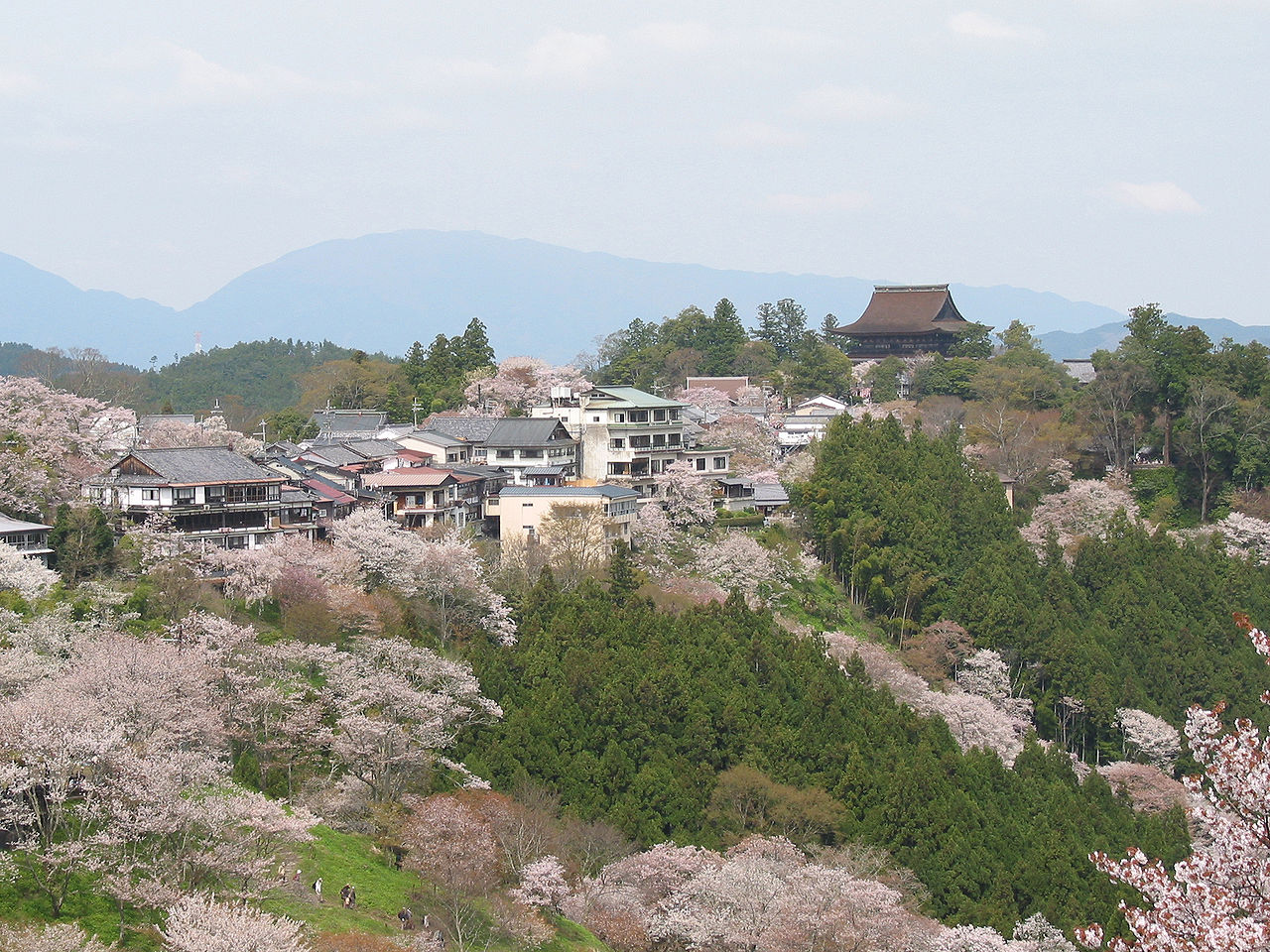
Mt. Yoshino
Best period·Cherry blossoms typically peak from early to mid-April, with Shimo-Senbon blooming first and Oku-Senbon last (about a two-week window across the mountain). Autumn foliage generally peaks late October to mid-November. Weekday visits and early starts are strongly recommended during both seasons to avoid heavy crowds.
青森県
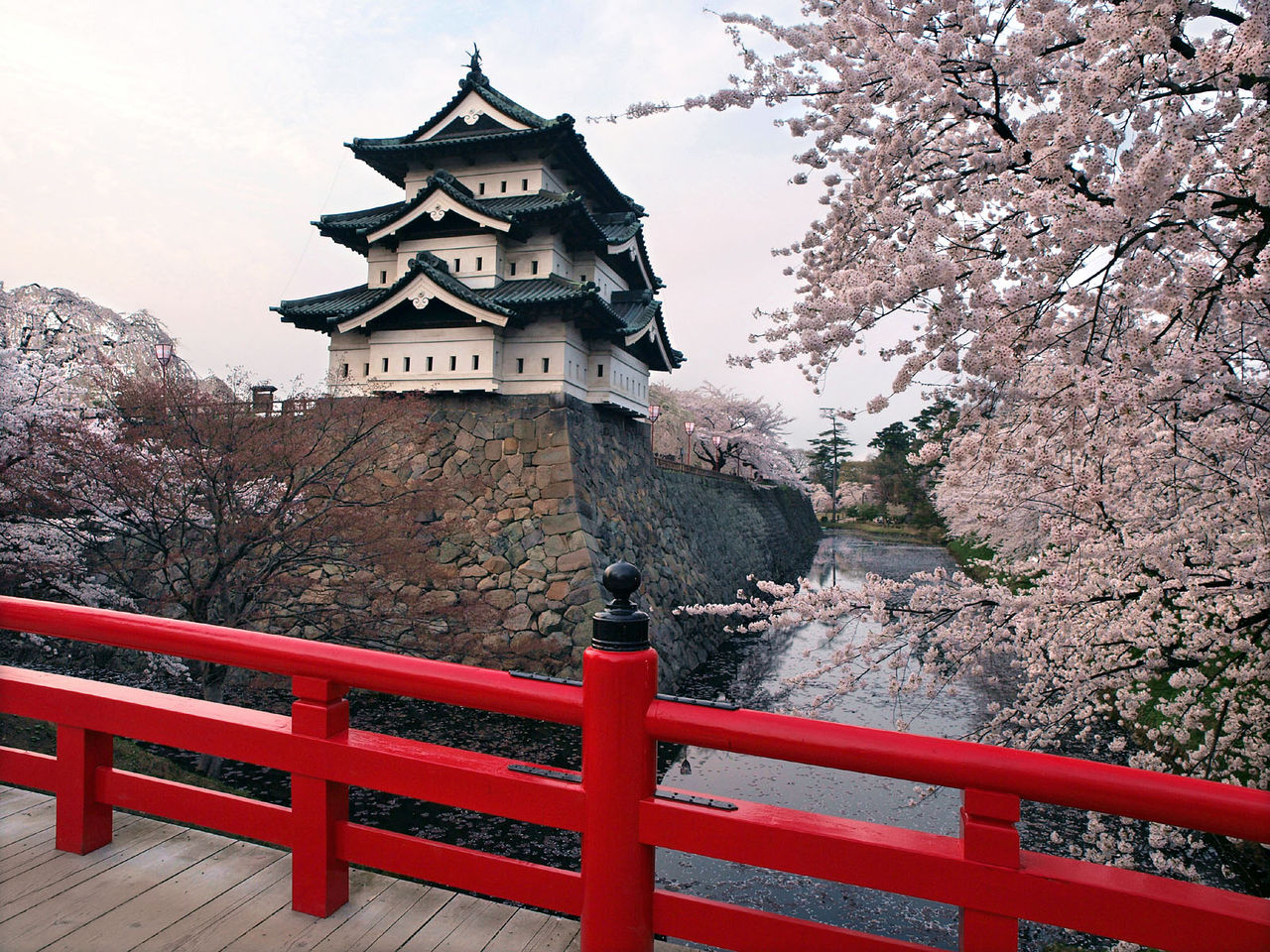
Hirosaki Park
Best period·Cherry blossoms typically peak late April to early May — check the official Hirosaki City website for real-time bloom forecasts. Autumn foliage is generally best mid-October to early November. Visit early morning to avoid the largest crowds.

山梨県
Arakurayama Sengen Park
Best period·Cherry blossoms typically peak from early to mid-April, when the combination of blooms, pagoda, and snow-capped Fuji is at its most spectacular. Arrive well before sunrise for the best light and fewer crowds. Autumn foliage is generally at its finest in early to mid-November. Check the official site for current conditions before visiting.

東京都
Meguro River Cherry Blossoms
Best period·Cherry blossoms typically peak between late March and early April, though the exact timing shifts with winter temperatures each year. Peak weekend afternoons are extremely crowded; weekday mornings or evening hours during the illumination period offer a noticeably calmer experience.

長野県
Takato Castle Park
Best period·The Takato Kohigan cherry trees typically peak in early to mid-April, though exact timing varies with annual temperatures. Check the official town website or cherry blossom information services before traveling. The park charges an admission fee during the blossom season (confirm current rates before visiting). Weekday mornings offer the most relaxed experience.

秋田県
Kakunodate Samurai District
Best period·Weeping cherry trees typically peak mid to late April; the Somei Yoshino along the Hinokinai River embankment follows in late April. Autumn foliage is usually best from mid-October to early November. Cherry blossom season draws large crowds — early morning visits are strongly recommended.
In the same area

東京都
Showa Kinen Park
Best period·Cherry blossoms (late March to early April) and ginkgo foliage (late October to mid-November) draw the largest crowds. Visit on weekdays or arrive at opening time during peak weeks. Check the official website for the latest bloom information before your trip.

東京都
Shinjuku Gyoen
Best period·Cherry blossoms typically run from late March to late April, with multiple varieties extending the season longer than most Tokyo parks. Autumn colour usually peaks from mid-November to early December. Weekend mornings during both seasons draw large crowds; arriving on a weekday, shortly after opening, is the most effective way to enjoy the garden at its best. Note that alcohol is not permitted inside (confirm current entry fees and rules on the official website).

東京都
Yushima Tenjin Shrine
Best period·Plum blossoms typically peak from early to mid-February through early March. The annual plum festival draws large crowds; early mornings on weekdays are the quietest. Autumn foliage (mid to late November) is also beautiful. Examination season (December–February) brings a constant stream of hopeful students.

東京都
Mt. Takao
Best period·Autumn colour typically peaks from mid- to late November; spring violet season is quieter and usually runs through April. Winter clear days offer the sharpest views of Mount Fuji. Weekends during autumn foliage season see heavy congestion all the way to the summit — a weekday morning start makes a significant difference.

東京都
Rikugien Garden
Best period·The weeping cherry peaks around late March to early April; autumn foliage typically reaches its best from mid-November through early December. Both seasons feature evening illuminations — arrive on a weekday and early to avoid the heaviest crowds. Always check the official Tokyo Metropolitan Park website for current conditions.

東京都
Meiji Jingu Gaien Ginkgo Avenue
Best period·Yellow foliage typically peaks from mid-November to early December. Clear, calm mornings are ideal — sunlight through the ginkgo leaves creates a near-luminous golden effect. Weekends and public holidays draw large crowds; a weekday morning or late afternoon visit is recommended. Exact timing varies by year.
events nearby
東京都 · 2026

July 25, 2026
Sumida River Fireworks Festival
東京都
Held annually on a Saturday in late July. Postponement to the following Saturday is common in the event of heavy rain or storms. Always check the official website and announcements from Taito and Sumida wards for the confirmed date and any last-minute changes.

November 14, 2025 〜 December 25, 2025
Tokyo Midtown Christmas
東京都
The event typically runs from late November through around December 25th. Illumination hours and the exact closing date vary by year — check the official Tokyo Midtown website for current-season details. Weekday evenings tend to be less crowded than weekends and the days immediately before Christmas.

March 22, 2026 〜 April 5, 2026
Meguro River Cherry Blossom Festival
東京都
The cherry trees typically peak between late March and early April, though the exact timing shifts year to year depending on winter temperatures. Monitor Tokyo's official blossom forecasts and check the festival's official site for confirmed event dates before visiting.

March 26, 2026 〜 April 6, 2026
Chidorigafuchi Cherry Blossoms (Chiyoda Sakura Festival)
東京都
Peak bloom typically falls between late March and early April, with the Chiyoda Sakura Festival running concurrently. Exact dates shift by one to two weeks depending on winter temperatures, so confirm the illumination schedule and festival programme on the official website before visiting.

August 1, 2026
Edogawa Fireworks Festival
東京都
Typically held in August each year. The event may be cancelled or postponed due to rain or strong winds. Always check the official Edogawa Ward or Ichikawa City website for the confirmed date and seating details.

May 14, 2026 〜 May 15, 2026
Kanda Matsuri
東京都
The full Honmatsuri processions take place around mid-May in odd-numbered years only. In even-numbered years, a reduced Kage Matsuri is held. Exact dates vary each year — check the official Kanda Myojin website for the latest schedule before planning your visit.