
Photo: Shift / Wikimedia Commons (CC BY-SA 3.0)
北海道
Farm Tomita
Overview
Nestled in the gentle hills of Nakafurano, a small town in the Furano Basin of central Hokkaido, Farm Tomita is the farm that, more than any other, fixed the image of lavender fields in Japan's national imagination. The Tomita family began farming this land in 1903, and started cultivating lavender for its essential oil in 1958. When domestic demand for natural fragrance collapsed in the face of synthetic alternatives during the 1960s, most Hokkaido lavender growers abandoned the crop. The Tomitas persevered. Their determination was vindicated in 1976, when a railway calendar photograph of the farm's multi-coloured flower fields caught the nation's eye and triggered a wave of tourism that has never really subsided. Today the farm covers roughly 15 hectares across several distinct areas — Shiawase-no-Hatake (the heart of the lavender planting), Irodori-no-Hatake (a mosaic of mixed varieties), Popuri-no-Hatake, and the expansive Lavender East — each positioned on hillside terraces that descend toward the flat valley floor. When lavender reaches full bloom in early to mid-July, the interplay of purple, mauve, pale pink and white stripes against the backdrop of the Tokachi and Daisetsu mountain ranges produces a landscape that feels almost artificially perfect. The fragrance alone — warm, herbal, faintly medicinal — is enough to make the journey worthwhile. Beyond lavender season, the farm sustains a floral relay: poppies and lupins in late spring, sunflowers and cosmos from August into September. A seasonal tram (farm trolley) lets visitors circuit the upper fields without walking, opening up views that a ground-level stroll cannot match. The farm's shop offers a wide range of lavender-derived products — essential oils, potpourri, jam, soap, and a lavender soft-serve ice cream that has become something of a local institution. Farm Tomita is not simply a pretty field; it is the living proof that a single farming family's stubbornness can reshape how an entire region is seen.
Best period
Peak lavender bloom falls in early to mid-July and draws enormous crowds. Arrive at opening time or visit on a weekday to avoid the worst congestion. Mixed-flower fields extend the season into September — check the official website for current bloom conditions.
7 〜 7 月
Access
📍 Address: Kisen Kita 15, Nakafurano, Sorachi, Hokkaido
Take the JR Furano Line to Nakafurano Station (approx. 20 min walk) or, during lavender season, alight at the temporary Lavender Hatake Station. By car, follow National Route 237 from Asahikawa or Furano. July traffic can be heavy.
Map
Related spots
Same theme

群馬県
Tambara Lavender Park
Best period·Peak bloom is generally mid-July to early August — two to three weeks later than lowland lavender due to the high elevation. Mornings offer cooler air and smaller crowds. Check the official site for real-time flowering conditions before your visit.

山梨県
Yamanakako Hana no Miyako Park
Best period·Sunflowers in July–August and cosmos in September–October are the park's most celebrated seasons; both offer the rare pairing of blooms against Mount Fuji. Exact peak dates shift year to year — check the official site before visiting. The park sits at around 1,000 m, so layers are advisable even in summer.

北海道
Farm Tomita Lavender East
Best period·Early to late July

山梨県
Yagisaki Park
Best period·Late June to mid-July

兵庫県
Lavender Park Taka
Best period·Mid-June to early July
In the same area
北海道
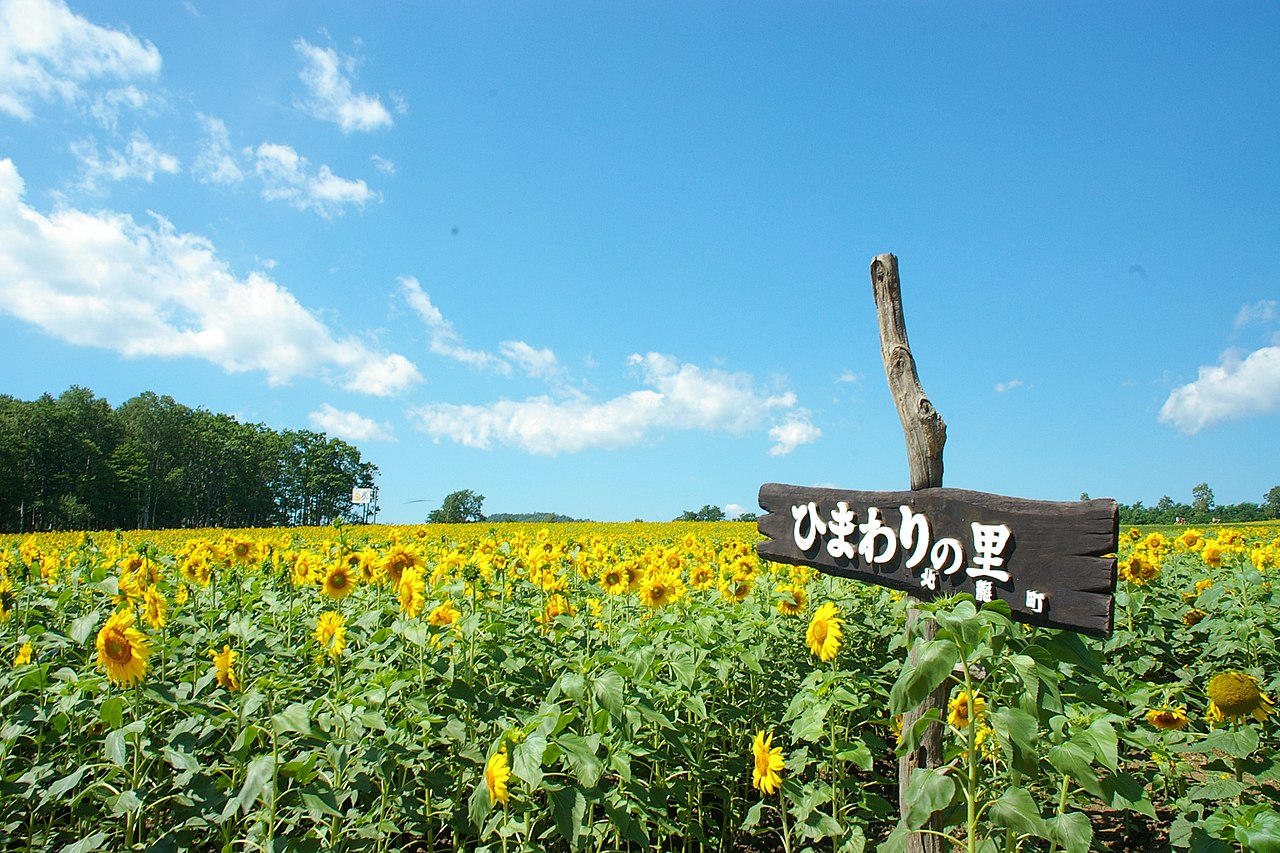
Hokuryu Sunflower Village
Best period·Peak bloom typically runs mid-July to mid-August. Clear mornings with low-angled light offer the most dramatic views. Blooming dates shift with temperatures each year — check the town's official tourism site before visiting.

北海道
Shiretoko Drift Ice
Best period·February is generally the peak month for drift ice, though ice can appear from late January and persists into early March. Conditions vary considerably year to year. Check the latest ice contact and density reports through the Drift Ice Information Center or the icebreaker's official site before you travel.

北海道
Sounkyo Gorge
Best period·Autumn colour peaks around early-to-mid October — earlier than most of Japan. Summer (July–August) is ideal for the waterfalls and alpine hiking. The winter ice festival runs roughly January–February; check official sources for exact dates and hours.

北海道
Takinoue Park (Pink Moss)
Best period·Pink moss typically peaks from mid-May to early June, though the exact timing shifts by a week or two depending on the year's temperatures. Check the official Takinoue tourism website for current bloom updates before your visit. Early morning light is ideal for photography, and crowds are thinner before midday.

北海道
Bihoro Pass
Best period·Autumn foliage peaks in early to mid-October — one of Hokkaido's finest leaf-colour viewpoints. Summer (June–July) offers vivid green hillsides against the lake's deep blue. The fog-waterfall phenomenon occurs on cold, calm autumn and winter mornings; arrive early for the best chance of seeing it.

北海道
Mt. Daisetsu (Asahidake & Kurodake)
Best period·Asahidake's foliage typically peaks in late August to early September — among the earliest in all of Japan. Kurodake follows in mid-to-late September. Alpine flowers are at their best in July and August. Both gondolas become very crowded during peak autumn colour; visit on weekdays and arrive early to avoid long queues.
events nearby
北海道 · 2026

February 4, 2026 〜 February 11, 2026
Sapporo Snow Festival
北海道
Typically held for approximately ten days in early to mid-February. Exact dates and venue details vary year to year — always check the official website for the current schedule before planning your visit.
July 1, 2026 〜 July 31, 2026
Furano Lavender Season
北海道
Lavender typically blooms from late June through early August, peaking in mid- to late July. Exact timing varies each year depending on temperature. Check individual farm websites and the local tourism association for up-to-date bloom reports before your visit.

February 6, 2026 〜 February 11, 2026
Asahikawa Winter Festival
北海道
Typically held for several days in early to mid-February. Exact dates and venue details change each year — check the official website before making plans. Weekends draw the largest crowds.
July 20, 2026 〜 August 18, 2026
Hokuryu Sunflower Village & Festival
北海道
Sunflowers typically reach peak bloom from early to mid-August, when the annual festival is also held. Exact timing varies with the season's temperatures — check the Hokuryu Tourism Association's official site for current bloom updates before you visit.

February 7, 2026 〜 February 14, 2026
Otaru Snow Light Path
北海道
Held annually for approximately ten days in early to mid-February. Exact dates, lighting hours, and venue details vary each year — always check the official website before your visit. Events may be reduced in severe weather.

November 20, 2026 〜 March 14, 2027
Sapporo White Illumination
北海道
Typically runs from late November through the end of February. Exact dates, venue areas, and lighting hours vary by year — always check the official website before visiting. Year-end holidays and weekends are the busiest periods.