
Photo: Marho / Wikimedia Commons (CC BY-SA 4.0)
青森県
Hakkoda Frost-Covered Trees
Overview
Rising from the heart of Aomori Prefecture in northern Honshu, the Hakkoda Mountains are a cluster of overlapping volcanoes whose highest point, Mount Odake, stands at 1,585 metres above sea level. Every winter, a combination of sub-arctic winds sweeping in from the Sea of Japan and exceptionally heavy snowfall turns the range's Momi fir forests into one of the most dramatic natural spectacles in the country: vast fields of juhyo, or frost-covered trees, known colloquially in English as ice monsters. The phenomenon forms when supercooled water droplets — liquid water chilled below freezing but still in droplet form — strike the branches and freeze on contact, encasing every needle, every twig, and ultimately every trunk in a thick armour of granular rime ice. The process builds layer upon layer through the winter, so that by peak season, usually mid-January through late February, the firs have been transformed into abstract white sculptures, some reaching two or three metres in girth, standing like silent sentinels across the high plateau. The easiest and most dramatic way to enter this world is the Hakkoda Ropeway, which climbs from the valley floor to the Sancho Koen station at 1,324 metres in about ten minutes. On clear days, the panorama from the summit plateau stretches across Mutsu Bay to the Tsugaru Peninsula and, on the best days, all the way to Mount Iwaki floating on the western horizon. When cloud and wind move in, the experience shifts entirely: the rime-white trees materialise suddenly out of swirling fog, and the exposure to temperatures that can drop below minus twenty degrees Celsius makes clear why the Hakkoda landscape has no close equivalent in the rest of mainland Japan. Beyond the iconic tree formations, Hakkoda offers a full winter calendar — backcountry skiing through untracked powder, snowshoe tours guided through the silent forest, and night illumination events that transform the juhyo fields into a glowing dreamscape. The mountains have a year-round character as well: wildflowers carpet the ridgeline marshes in summer, beech and maple flame red and gold in October, and the spring melt reveals rushing streams beneath the last snow. But it is the juhyo — those improbable, armoured figures standing against a steel-grey winter sky — that bring photographers and travellers from across Japan every February to witness a landscape that feels more like the Arctic than the Japanese main island.
Best period
Peak season for frost-covered trees is typically late January through late February. Clear mornings offer the best visibility and light for photography from the ropeway. Weekends and public holidays see long queues; early weekday departures are advisable. Summit weather can change rapidly — full cold-weather and windproof gear is essential.
1 〜 3 月
Access
📍 Address: 1-12 Kanshizawa, Arakawa, Aomori, Aomori
From JR Aomori Station, take the JR Bus Tohoku Mizuumi-go service for about one hour to the Hakkoda Ropeway base station. Drivers follow Route 103 and will find a car park at the ropeway terminal. Snow tyres are required in winter.
Map
Related spots
Same theme

山形県
Zao Juhyo (Frost-Covered Trees)
Best period·Peak season is typically late January through late February. The ropeway suspends operation in strong winds or poor visibility — always check the official website for real-time status before heading up. Clear mornings offer the sharpest views and somewhat smaller crowds than afternoons.

山形県
Mt. Nishi-Azuma Frost-Covered Trees
Best period·Frost trees are typically at their most dramatic from late December through early March, with peak development in January and February. Clear mornings offer the best light and visibility. Never attempt to reach the summit in low-visibility or strong-wind conditions without appropriate alpine gear.

秋田県
Mount Moriyoshi Frost-Covered Trees
Best period·Early February to early March
岩手県
Hachimantai Frost-Covered Trees
Best period·Early February to mid-March
In the same area
青森県
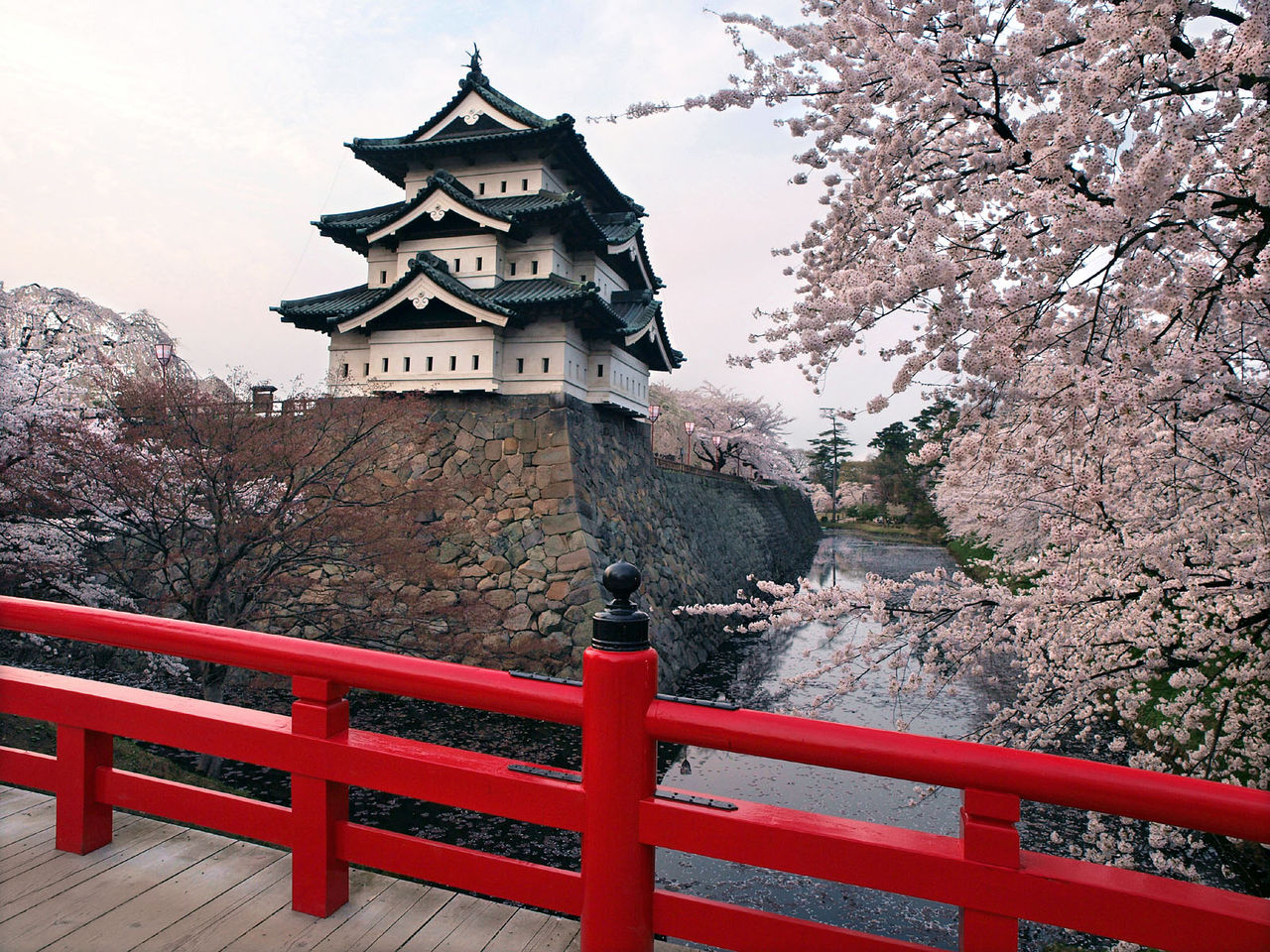
Hirosaki Park
Best period·Cherry blossoms typically peak late April to early May — check the official Hirosaki City website for real-time bloom forecasts. Autumn foliage is generally best mid-October to early November. Visit early morning to avoid the largest crowds.

青森県
Oirase Stream
Best period·Autumn foliage typically peaks mid to late October — among the most spectacular in the Tohoku region. Summer (July–August) is popular for misty mornings and cool forest shade. Arrive at opening time or visit on weekdays to avoid the heaviest crowds.

青森県
The Great Ginkgo of Kitakanegasawa
Best period·Mid- to late November
events nearby
青森県 · 2026

August 2, 2026 〜 August 7, 2026
Aomori Nebuta Matsuri
青森県
The festival is traditionally held over six days in early August (around August 2–7), with the final evening featuring a sea parade in Aomori Bay. Exact dates, ticketed grandstand seating, and any schedule changes are confirmed on the official website each year. Hotels in central Aomori sell out months in advance — early booking is essential.
April 19, 2026 〜 May 6, 2026
Hirosaki Cherry Blossom Festival
青森県
The festival typically runs from late April through early May, aligned with peak cherry bloom, though exact dates shift each year with the weather. Official schedules, admission details, and real-time blossom forecasts are published on the Hirosaki Cherry Blossom Festival's official website. The Golden Week holiday period (late April–early May) brings the heaviest crowds.

August 1, 2026 〜 August 7, 2026
Hirosaki Neputa Festival
青森県
The festival is traditionally held over approximately seven days in early August (roughly August 1–7). Routes and schedules may vary year to year; precise dates and parade itineraries are published on the official Hirosaki tourism website in advance. Central Hirosaki accommodation fills quickly during the festival period — booking several months ahead is strongly recommended.

October 15, 2026 〜 November 5, 2026
Autumn Foliage of the Oirase Gorge
青森県
Peak foliage generally falls between mid-October and early November, though timing varies by year and elevation. Check the latest leaf-color updates with the Towada-Hachimantai National Park visitor center or local tourism offices.