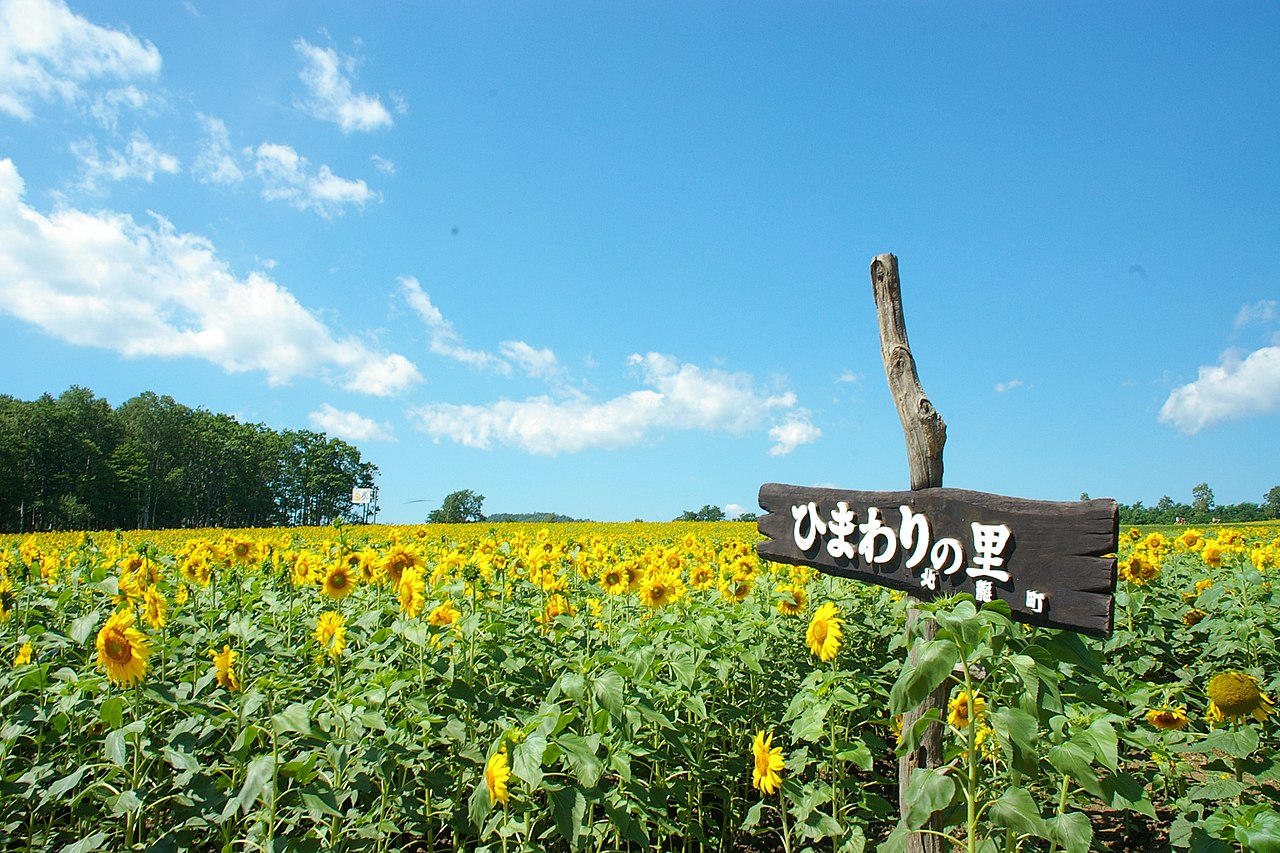
Photo: 100yen / Wikimedia Commons (CC BY-SA 3.0)
北海道
Hokuryu Sunflower Village
Overview
Hidden away in Hokkaido's Sorachi subprefecture, Hokuryu-cho is a farming village of fewer than 2,000 residents that transforms into one of Japan's most extraordinary summer destinations. Each year, roughly 2.3 million sunflowers bloom across approximately 23 hectares of gently rolling fields, turning the entire landscape into an ocean of gold that draws visitors from across the country and beyond. The village's journey to becoming Japan's sunflower capital began in the 1980s, when a group of local farmers, inspired by images of vast Soviet sunflower plantations, decided to plant the flowers on fallow paddies as a way to revitalize unused land and attract tourism. What started as a grassroots experiment grew into a town-wide commitment, with successive generations refining cultivation techniques and expanding the planting area until Hokuryu earned its reputation as Hokkaido's most celebrated sunflower destination. What makes Hokuryu special is not just scale but setting. The fields are laid across undulating terrain with the Mashike mountain range as a distant backdrop, giving the landscape a depth and grandeur that flat flower fields simply cannot match. On a clear morning, when low-angled light catches the east-facing blooms, the visual effect is genuinely cinematic. Visitors who stay at the nearby Hokuryu Onsen often rise before dawn to catch this golden-hour spectacle. The peak blooming season typically falls between mid-July and mid-August — exact timing varies with each year's temperatures, so checking current conditions before your visit is strongly recommended.
Best period
Peak bloom typically runs mid-July to mid-August. Clear mornings with low-angled light offer the most dramatic views. Blooming dates shift with temperatures each year — check the town's official tourism site before visiting.
7 〜 8 月
Access
📍 Address: 143-2 Itaya, Hokuryu, Uryu, Hokkaido
Approximately 35 minutes by car from Fukagawa Station (JR Rumoi Main Line). From Sapporo, allow about 90 minutes via the Do-o Expressway. Public transport connections are limited, so renting a car is highly recommended.
Map
Related spots
Same theme
神奈川県
Zama Sunflower Festival
Best period·Peak bloom typically falls in late July through early August. Different sites within the city often peak at slightly different times, so visiting multiple locations in one day is worthwhile. Check the official website for current bloom conditions before your visit.

兵庫県
Himawari no Oka Park
Best period·Sunflowers typically peak from mid-July through August; cosmos reach their best around October. Exact timing varies with each year's weather — check Ono City's official tourism site before visiting. Early mornings offer the best light and smaller crowds.
山梨県
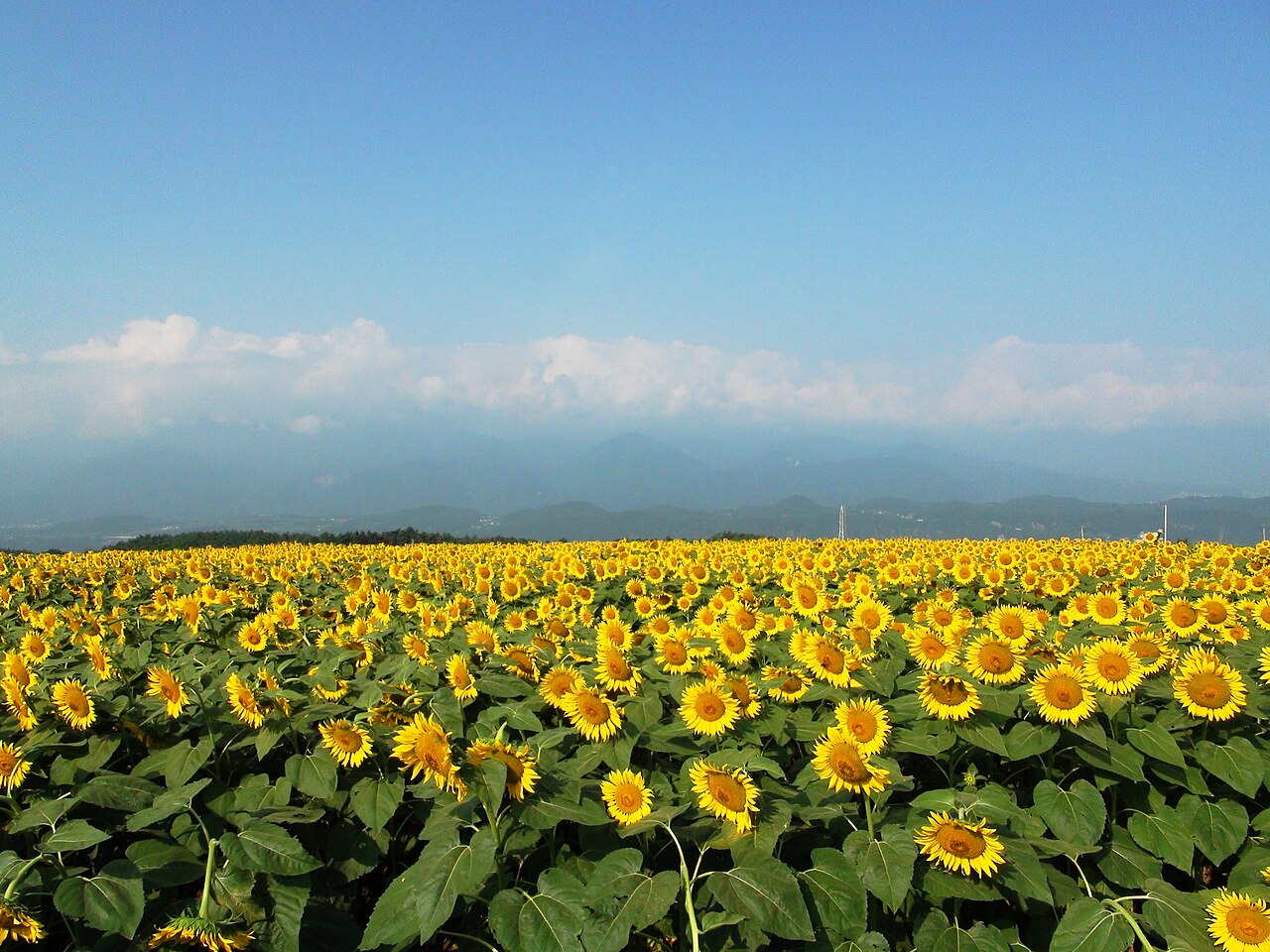
Hokuto Akeno Sunflower Festival
Best period·Late July to mid-August

東京都
Kiyose Sunflower Festival
Best period·Late July to early August

神奈川県
Nagai Seaside Park Soleil Hill
Best period·Late July through September (varies by variety)

兵庫県
Sayo Nanko Sunflower Fields
Best period·Mid-July to early August
In the same area

北海道
Farm Tomita
Best period·Peak lavender bloom falls in early to mid-July and draws enormous crowds. Arrive at opening time or visit on a weekday to avoid the worst congestion. Mixed-flower fields extend the season into September — check the official website for current bloom conditions.

北海道
Shiretoko Drift Ice
Best period·February is generally the peak month for drift ice, though ice can appear from late January and persists into early March. Conditions vary considerably year to year. Check the latest ice contact and density reports through the Drift Ice Information Center or the icebreaker's official site before you travel.

北海道
Sounkyo Gorge
Best period·Autumn colour peaks around early-to-mid October — earlier than most of Japan. Summer (July–August) is ideal for the waterfalls and alpine hiking. The winter ice festival runs roughly January–February; check official sources for exact dates and hours.

北海道
Takinoue Park (Pink Moss)
Best period·Pink moss typically peaks from mid-May to early June, though the exact timing shifts by a week or two depending on the year's temperatures. Check the official Takinoue tourism website for current bloom updates before your visit. Early morning light is ideal for photography, and crowds are thinner before midday.

北海道
Bihoro Pass
Best period·Autumn foliage peaks in early to mid-October — one of Hokkaido's finest leaf-colour viewpoints. Summer (June–July) offers vivid green hillsides against the lake's deep blue. The fog-waterfall phenomenon occurs on cold, calm autumn and winter mornings; arrive early for the best chance of seeing it.

北海道
Mt. Daisetsu (Asahidake & Kurodake)
Best period·Asahidake's foliage typically peaks in late August to early September — among the earliest in all of Japan. Kurodake follows in mid-to-late September. Alpine flowers are at their best in July and August. Both gondolas become very crowded during peak autumn colour; visit on weekdays and arrive early to avoid long queues.
events nearby
北海道 · 2026

February 4, 2026 〜 February 11, 2026
Sapporo Snow Festival
北海道
Typically held for approximately ten days in early to mid-February. Exact dates and venue details vary year to year — always check the official website for the current schedule before planning your visit.
July 1, 2026 〜 July 31, 2026
Furano Lavender Season
北海道
Lavender typically blooms from late June through early August, peaking in mid- to late July. Exact timing varies each year depending on temperature. Check individual farm websites and the local tourism association for up-to-date bloom reports before your visit.

February 6, 2026 〜 February 11, 2026
Asahikawa Winter Festival
北海道
Typically held for several days in early to mid-February. Exact dates and venue details change each year — check the official website before making plans. Weekends draw the largest crowds.
July 20, 2026 〜 August 18, 2026
Hokuryu Sunflower Village & Festival
北海道
Sunflowers typically reach peak bloom from early to mid-August, when the annual festival is also held. Exact timing varies with the season's temperatures — check the Hokuryu Tourism Association's official site for current bloom updates before you visit.

February 7, 2026 〜 February 14, 2026
Otaru Snow Light Path
北海道
Held annually for approximately ten days in early to mid-February. Exact dates, lighting hours, and venue details vary each year — always check the official website before your visit. Events may be reduced in severe weather.

November 20, 2026 〜 March 14, 2027
Sapporo White Illumination
北海道
Typically runs from late November through the end of February. Exact dates, venue areas, and lighting hours vary by year — always check the official website before visiting. Year-end holidays and weekends are the busiest periods.