
Photo: KimonBerlin / Wikimedia Commons (CC BY-SA 2.0)
徳島県
Iya Valley
Overview
Iya Valley cuts through the very heart of Shikoku — a gorge so deep and remote that it earned a place among Japan's "Three Hidden Regions," alongside Shirakawa-go in Gifu and Gokayama in Toyama. The Iya River, a tributary of the Yoshino, has spent millions of years carving through limestone and granite, leaving sheer cliffs that average more than 200 metres on either side of the narrow valley floor. The result is a landscape of startling drama: forested ridges piling up in every direction, the river glinting far below, and a silence so complete it feels almost deliberate. The valley's most iconic feature is Kazurabashi — a vine bridge woven from the stems of Actinidia arguta (a wild kiwi relative known locally as shirakuchikadzura). According to local tradition, the bridge was designed so that the vines could be cut in an instant to prevent pursuers from crossing — a design attributed to fugitive Heike (Taira) warriors who fled into these mountains after their clan's defeat at the Battle of Dan-no-Ura in 1185. The history is debated, but the bridge is real: stepping onto it, you feel the sway underfoot, see the clear river fourteen metres below through the gaps between the wooden planks, and understand immediately why this gorge kept outsiders out for centuries. The current bridge is rebuilt periodically using traditional techniques, preserving the craft as much as the crossing itself. The valley changes face with every season. Spring brings delicate mountain cherries scattered across green slopes, and a crystalline quality to the new-growth foliage that softens the severity of the cliffs. Summer mornings are often wrapped in river mist that moves through the gorge in slow, ghostly bands — a sight that rewards the early riser. Autumn, typically from late October through mid-November, is widely considered the valley's finest hour: maples and zelkovas ignite in overlapping layers of red, orange, and gold, and from the main lookout the view down into the gorge takes on a almost theatrical intensity. In winter, snow quiets the entire valley; few visitors come, but those who do find a stillness that is its own reward.
Best period
Autumn foliage typically peaks from late October to mid-November; spring mountain cherries bloom in April. Morning mist in summer is a highlight in its own right. Weekends and public holidays draw crowds — weekday mornings are significantly quieter and more atmospheric.
11 〜 11 月
Access
📍 Address: Ikeda-cho and Nishi-Iyayama, Miyoshi, Tokushima
From JR Oboke Station, take a local bus or taxi (approximately 30–40 minutes). By car, exit the Tokushima Expressway at Ikawa-Ikeda IC and follow National Route 32. Parking is limited; arriving early during peak seasons is strongly advised.
Map
Related spots
Same theme

京都府
Kiyomizu-dera Temple
Best period·Autumn foliage typically peaks mid- to late November, when the temple's maple groves rival the stage itself as the main attraction. Special evening illumination events are usually held during this period and in cherry blossom season — check the official site for exact dates and admission. Arriving right at opening time is the most reliable way to beat the crowds.

京都府
Eikando Zenrinji Temple
Best period·Autumn foliage typically peaks from mid to late November, when the roughly 3,000 maples across the grounds ignite in deep red. Evening illumination events are usually held during peak season (check the official site for schedules). Weekday mornings are far less crowded than weekends; the fresh greenery of May is a serene off-season alternative.

広島県
Miyajima Momijidani Park
Best period·Autumn foliage typically peaks mid-November to early December. Sunny mornings offer the most vivid light through the maples; evening illuminations (held most years during peak season — confirm with the Miyajima Tourism Association) add a magical dimension. Weekday mornings are far quieter than weekends.
京都府
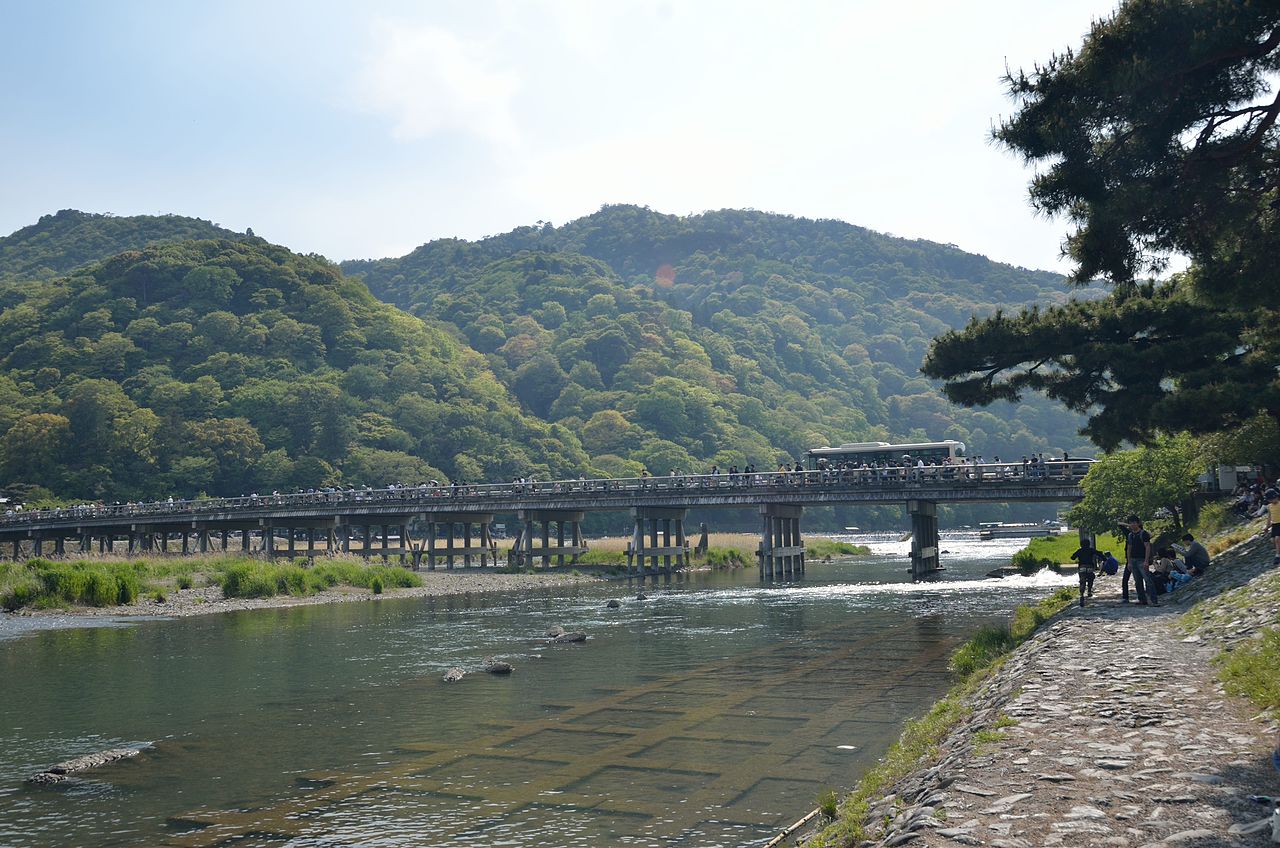
Arashiyama
Best period·Autumn foliage typically peaks mid- to late November; cherry blossoms usually appear late March to early April. Weekends during both seasons see heavy crowds throughout the day — arriving early on a weekday, ideally at opening time, makes an enormous difference. The bamboo grove is at its most atmospheric in early morning mist.

青森県
Oirase Stream
Best period·Autumn foliage typically peaks mid to late October — among the most spectacular in the Tohoku region. Summer (July–August) is popular for misty mornings and cool forest shade. Arrive at opening time or visit on weekdays to avoid the heaviest crowds.

北海道
Sounkyo Gorge
Best period·Autumn colour peaks around early-to-mid October — earlier than most of Japan. Summer (July–August) is ideal for the waterfalls and alpine hiking. The winter ice festival runs roughly January–February; check official sources for exact dates and hours.
In the same area

events nearby
