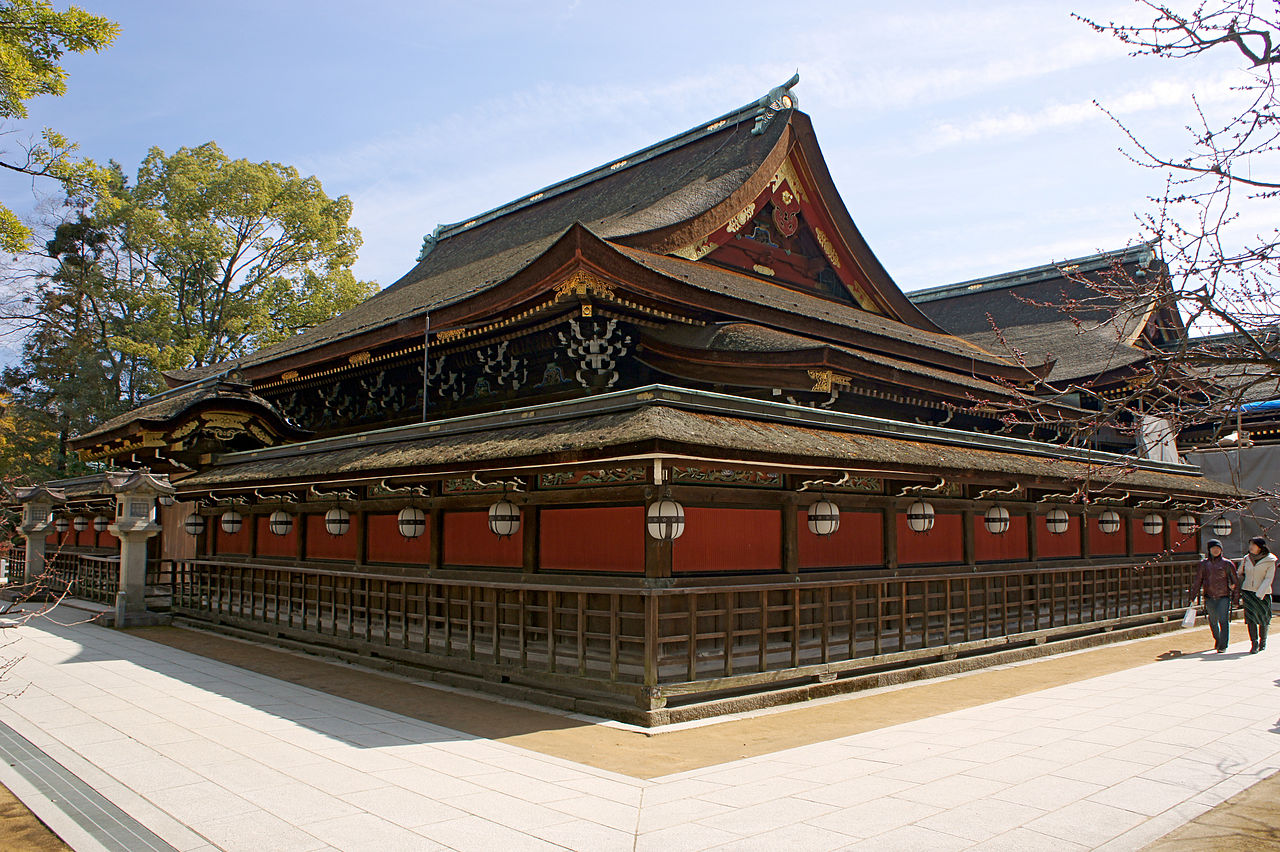
Photo: 663highland / Wikimedia Commons (CC BY 2.5)
京都府
Kitano Tenmangu Shrine
Overview
Kitano Tenmangu Shrine occupies a quiet precinct in Kyoto's Kamigyo Ward, just north of the historic Nishijin textile district, and stands as the head shrine of approximately 12,000 Tenjin shrines scattered across Japan. All of them enshrine Sugawara no Michizane, the ninth-century scholar and court official who was exiled from the capital in 901 and died in Dazaifu two years later. When a series of calamities struck the imperial court in the years that followed — storms, droughts, and the sudden deaths of those who had engineered his downfall — the court came to believe his spirit was exacting revenge. To appease him, a shrine was consecrated on this site in 947, and Michizane was posthumously elevated to the status of a deity. Today he is venerated as the god of learning and scholarship, and the approach roads to the shrine fill with students and their families every winter during exam season, the wooden ema votive tablets piling up in dense rows bearing handwritten prayers for academic success. The shrine's most celebrated feature is its plum orchard — a direct reference to a poem Michizane is said to have written on the night of his exile, bidding farewell to his beloved plum tree and asking the blossoms to carry their fragrance east to him, even in his absence. Around 1,500 plum trees of approximately 50 varieties are planted across the grounds, and from early February through mid-March they burst into colour — deep crimson, pale pink, and white — filling the air with a sweetness that feels entirely at odds with the chill of late winter. When the inner plum garden opens to the public during this season, visitors wander paths that wind between centuries-old trunks, the mossy stone lanterns and the gabled rooflines of the main shrine buildings forming the backdrop. The current main hall is itself a masterwork: built in 1607 on the orders of Toyotomi Hideyori, it exemplifies the gongen-zukuri architectural style that links a main hall and worship hall under a single undulating roofline, and it holds National Treasure status. In autumn, a separate maple garden opens within the precinct, tucked against the earthen embankment known as Odoi — a remnant of the earthwork boundary that Toyotomi Hideyoshi built around Kyoto in the late sixteenth century. And on the twenty-fifth of every month, a sprawling flea market called the Tenjin-ichi fills the precincts with vendors of antique kimono, ceramics, vegetables, and street food, carrying on a tradition rooted in the anniversaries of Michizane's birth and death.
Best period
Plum blossoms typically peak from early February to mid-March, when the inner plum garden opens for a fee. Autumn foliage in the maple garden usually runs mid-November to early December. The Tenjin-ichi market is held on the 25th of every month. Check the official site for exact admission periods and fees.
2 〜 3 月
Access
📍 Address: Bakuro-cho, Kamigyo, Kyoto
Take a city bus to the Kitano Tenmangu-mae stop, reachable from Kyoto Station, Hankyu Omiya Station, and several other hubs. The historic Kamishichiken geisha district is a short walk away. Public transport is recommended.
Map
Related spots
Same theme

茨城県
Kairakuen Garden
Best period·Plum blossoms typically peak from mid-February to mid-March, with different cultivars blooming in sequence across several weeks. The Mito Plum Festival draws large crowds; weekday mornings are far quieter. The garden also merits a visit in early summer and autumn.

静岡県
Atami Plum Garden
Best period·Early cultivars typically begin blooming in early January, with peak plum season generally running from late January through mid-February. Different varieties extend the show over several weeks. The annual plum festival (usually held January–February) draws crowds; weekday mornings are much quieter. Autumn foliage peaks around late October to November.

東京都
Yushima Tenjin Shrine
Best period·Plum blossoms typically peak from early to mid-February through early March. The annual plum festival draws large crowds; early mornings on weekdays are the quietest. Autumn foliage (mid to late November) is also beautiful. Examination season (December–February) brings a constant stream of hopeful students.

福岡県
Plum Blossoms at Dazaifu Tenmangu
Best period·Early February to early March

神奈川県
Soga Plum Grove
Best period·Early to late February

奈良県
Tsukigase Plum Valley
Best period·Late February to late March
In the same area

京都府
Kiyomizu-dera Temple
Best period·Autumn foliage typically peaks mid- to late November, when the temple's maple groves rival the stage itself as the main attraction. Special evening illumination events are usually held during this period and in cherry blossom season — check the official site for exact dates and admission. Arriving right at opening time is the most reliable way to beat the crowds.

京都府
Eikando Zenrinji Temple
Best period·Autumn foliage typically peaks from mid to late November, when the roughly 3,000 maples across the grounds ignite in deep red. Evening illumination events are usually held during peak season (check the official site for schedules). Weekday mornings are far less crowded than weekends; the fresh greenery of May is a serene off-season alternative.

京都府
Mimurotoji Temple
Best period·Azaleas and rhododendrons typically peak late April through mid-May; hydrangeas peak mid-June to early July, drawing the largest crowds. Weekday mornings are far quieter. Autumn foliage is usually best mid to late November. Confirm admission details on the official website.

京都府
Arashiyama
Best period·Autumn foliage typically peaks mid- to late November; cherry blossoms usually appear late March to early April. Weekends during both seasons see heavy crowds throughout the day — arriving early on a weekday, ideally at opening time, makes an enormous difference. The bamboo grove is at its most atmospheric in early morning mist.

京都府
Daigo-ji Temple
Best period·Cherry blossoms typically peak in late March to early April, with the weeping cherry at Sanbo-in especially prized. Autumn foliage is at its best mid-to-late November. Both seasons bring large crowds; early morning entry is strongly recommended. The trail to Upper Daigo suits fit walkers.

京都府
Maruyama Park
Best period·The weeping cherry typically blooms late March to early April. Evening illuminations are held during peak bloom — hours vary by year, so check the latest official information. Weekday mornings and evening visits during blossom season offer far fewer crowds than weekend afternoons.
events nearby
京都府 · 2026

July 1, 2026 〜 July 31, 2026
Gion Matsuri
京都府
Gion Matsuri events span the entire month of July. The Saki Matsuri yoiyama evenings fall around July 14–16, with the procession around the 17th; the Ato Matsuri procession follows around the 24th. Exact dates vary by year — check the official Yasaka Shrine website before planning your visit.
December 11, 2026 〜 December 20, 2026
Arashiyama Hanatoro
京都府
Hanatoro typically runs for around ten days in early to mid-December, from sunset until approximately 9 p.m. Dates and hours vary each year. Check the official Kyoto Hanatoro website before your visit, and dress warmly — December nights in Arashiyama are cold.

May 15, 2026
Aoi Matsuri (Hollyhock Festival)
京都府
The main procession, the rotonogi, takes place around May 15th each year. In the event of rain it is typically postponed to the following day. The purification ceremony, the misogi, is held at the Kamo River on approximately May 14th. Check the official shrine websites for confirmed dates before visiting.

November 14, 2026 〜 December 9, 2026
Eikando Autumn Leaves
京都府
Peak colour typically falls in the second to third week of November, though the exact timing shifts each year with temperature. Evening illuminations usually run concurrently. Check the official website for current admission fees and hours before visiting.

August 16, 2026
Gozan no Okuribi (Five Mountain Bonfires)
京都府
Gozan no Okuribi takes place on the evening of August 16th each year, rain or shine (though severe weather may cause changes). Each mountain is lit in sequence over roughly 15–20 minutes starting after dark. Confirm exact lighting times with the Kyoto City Tourism Association or official sources before your visit.

October 22, 2026
Jidai Matsuri (Festival of the Ages)
京都府
Held annually on October 22nd, the founding anniversary of Heian Jingū. In the event of heavy rain or severe weather, the procession is typically postponed to the 23rd. Confirm the exact schedule on the Heian Jingū or City of Kyoto official website.