
Photo: Luka Peternel / Wikimedia Commons (CC BY-SA 4.0)
富山県
Kurobe Gorge (Sightseeing Trolley)
Overview
Kurobe Gorge cuts through the eastern edge of Toyama Prefecture, cleaving a path between the Northern Alps and the Ushiro-Tateyama range in a canyon that plunges more than 2,000 metres at its deepest points. The Black River — Kurobe-gawa — has spent millennia carving through the granite bedrock, producing one of Japan's most celebrated and least-tamed landscapes. For most of its history the gorge remained virtually inaccessible, a place known only to hunters and a handful of mountain monks. That changed with the construction of a narrow-gauge railway by the Kansai Electric Power Company, built originally to haul materials for hydroelectric dam construction and first opened to public passengers in 1923. Today that same line — the Kurobe Gorge Sightseeing Trolley — is the reason most visitors make the journey at all. The ride begins at Unazuki Station and ends, roughly eighty minutes and twenty kilometres later, at Keyakidaira. Along the way the open carriages pass through dozens of tunnels bored directly into cliff faces, rattle across viaducts suspended above the rushing emerald river, and skirt sheer rock walls where waterfalls cascade down in fine mist. The journey itself is the attraction: every curve in the track delivers a new composition of water, stone, and forest. At Unazuki, Kanetsuri, and Kuronagi stations, hot-spring resorts tucked into the gorge walls offer a rare chance to soak in natural onsen while surrounded by wilderness. The springs at Kuronagi in particular, reachable by a short trail from the station, feel utterly remote despite the railway that brought you there. At Keyakidaira, the gorge opens into a network of hiking paths leading to the graceful Okukane Bridge, the cave-like Hitokui-iwa rock formation, and the trailheads for deeper mountain routes used by experienced alpinists. The forests here are dominated by beech, maple, and Japanese oak — species that make the gorge a spectacle of autumn colour from early October through early November, when entire cliff faces ignite in layered shades of crimson, amber, and gold reflected in the dark river below. In spring, the contrast between lingering snowfields high on the peaks and the vivid new-green foliage of the valley floor is equally arresting. The trolley operates roughly from late April through late November; it does not run in winter, and schedules are subject to weather and snowpack conditions, so checking the official website before travelling is essential.
Best period
Autumn foliage typically runs from early October to early November, with higher elevations turning first. Tickets for peak-season weekends sell out well in advance — booking through the official site early is strongly advised. Late May and June, when fresh green fills the gorge, are quieter and equally rewarding.
10 〜 11 月
Access
📍 Address: Kurobe Kyokoku-guchi, Kurobe, Toyama
Take the Toyama Chihou Railway to Unazuki Onsen Station, then walk to the adjacent Unazuki trolley terminus. From Kurobe-Unazuki Onsen Station (Hokuriku Shinkansen), take a local bus or taxi to Unazuki. A car park is available at Unazuki for those driving.
Map
Related spots
Same theme

京都府
Kiyomizu-dera Temple
Best period·Autumn foliage typically peaks mid- to late November, when the temple's maple groves rival the stage itself as the main attraction. Special evening illumination events are usually held during this period and in cherry blossom season — check the official site for exact dates and admission. Arriving right at opening time is the most reliable way to beat the crowds.

京都府
Eikando Zenrinji Temple
Best period·Autumn foliage typically peaks from mid to late November, when the roughly 3,000 maples across the grounds ignite in deep red. Evening illumination events are usually held during peak season (check the official site for schedules). Weekday mornings are far less crowded than weekends; the fresh greenery of May is a serene off-season alternative.

広島県
Miyajima Momijidani Park
Best period·Autumn foliage typically peaks mid-November to early December. Sunny mornings offer the most vivid light through the maples; evening illuminations (held most years during peak season — confirm with the Miyajima Tourism Association) add a magical dimension. Weekday mornings are far quieter than weekends.
京都府
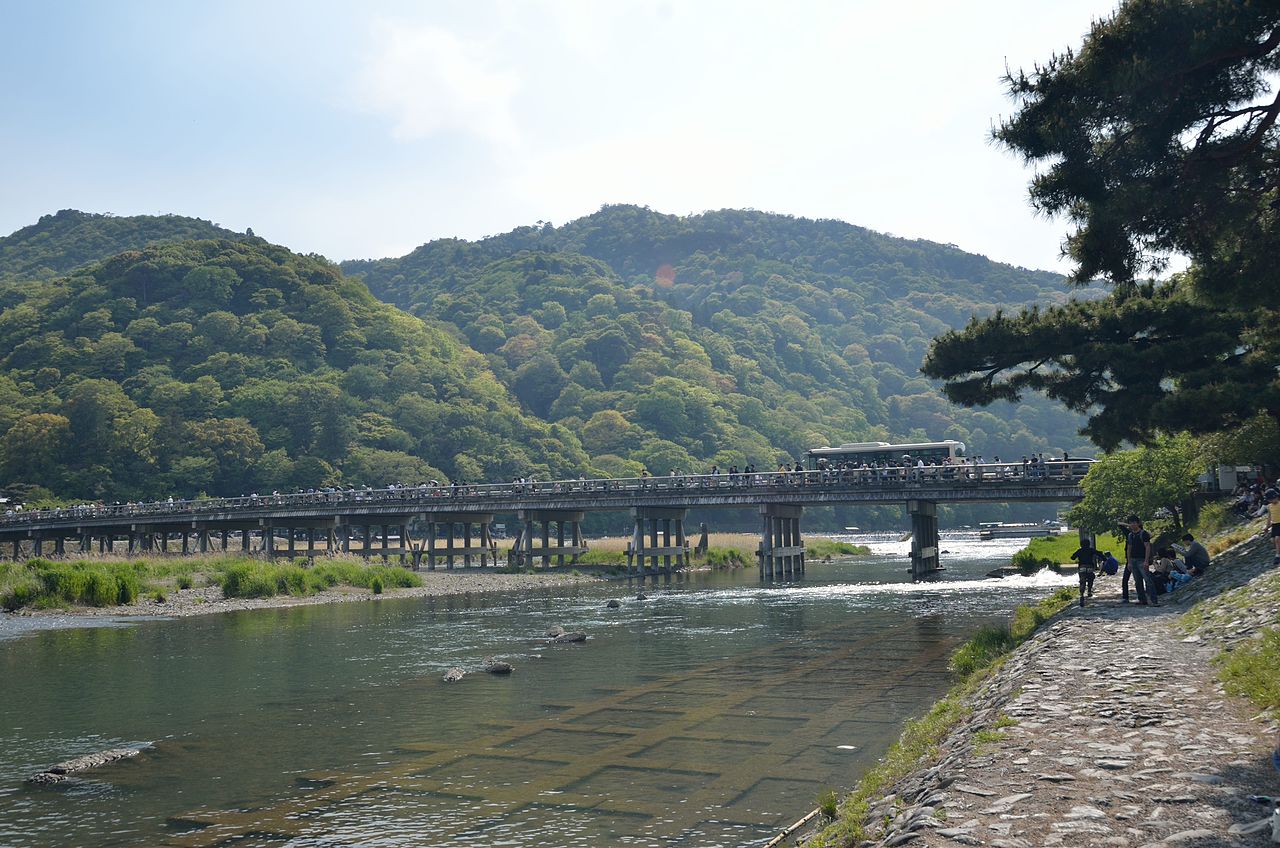
Arashiyama
Best period·Autumn foliage typically peaks mid- to late November; cherry blossoms usually appear late March to early April. Weekends during both seasons see heavy crowds throughout the day — arriving early on a weekday, ideally at opening time, makes an enormous difference. The bamboo grove is at its most atmospheric in early morning mist.

青森県
Oirase Stream
Best period·Autumn foliage typically peaks mid to late October — among the most spectacular in the Tohoku region. Summer (July–August) is popular for misty mornings and cool forest shade. Arrive at opening time or visit on weekdays to avoid the heaviest crowds.

北海道
Sounkyo Gorge
Best period·Autumn colour peaks around early-to-mid October — earlier than most of Japan. Summer (July–August) is ideal for the waterfalls and alpine hiking. The winter ice festival runs roughly January–February; check official sources for exact dates and hours.
In the same area

富山県
Tonami Tulip Park
Best period·Peak bloom is typically late April to early May, coinciding with the Tonami Tulip Fair. Weekends are very crowded; an early-morning visit is strongly recommended. Check the official website for exact dates, hours, and admission fees, as these vary each year.

富山県
Tateyama Kurobe Alpine Route — Snow Corridor
Best period·Snow walls are tallest in mid-April to early May; the Golden Week holiday period brings heavy crowds. Arriving early in the morning is advisable both to minimise queuing and to catch the best angled light on the snow walls. Check the official site for opening dates and congestion forecasts before travelling.

富山県
Gokayama Ainokura Gassho Village
Best period·December to February
events nearby
富山県 · 2026

September 1, 2026 〜 September 3, 2026
Owara Kaze no Bon
富山県
Traditionally held September 1–3. Performance schedules for each district and any changes to the program can vary by year — check with the Yatsuo Tourism Association or the official event information before your visit.
April 22, 2026 〜 May 5, 2026
Tonami Tulip Fair
富山県
The fair is typically held from late April through early May, timed to coincide with peak tulip bloom. Exact dates vary year to year based on flowering conditions — check the official website for the current schedule before making travel plans.