
Photo: Jnn / Wikimedia Commons (CC BY 2.1 JP)
京都府
Mimurotoji Temple
Overview
Tucked into the foothills of Mimuroto-yama on the southwestern bank of the Uji River, Mimurotoji Temple is one of those rare places that seems to hold time at arm's length. Founded, according to tradition, in the late Nara period — more than twelve centuries ago — it has served as a head temple of the Honzan Shugendo sect and accumulated layer upon layer of devotional history. Yet what draws most visitors today is not doctrine but flowers: Mimurotoji has rightfully earned its reputation as one of Kansai's foremost 'flower temples.' The grounds are famous above all for their staggering floral sequence. Spring opens with thousands of azaleas (tsutsuji) and rhododendrons (shakunage) painting the hillside slopes in vivid pinks and whites. The moment that lingers longest in memory, however, tends to be June and early July, when some 20,000 hydrangea plants crowd the pathways in drifts of violet, white, and soft rose — colours that seem almost luminous on the overcast, moisture-laden days that define the Japanese rainy season. Autumn follows with maple foliage that flares red and amber above the temple's pond garden, the reflections doubling the intensity of the colours in the still water. Beyond its seasonal spectacle, the temple holds genuine cultural weight. The main hall (Amida-do) enshrines a trio of Amida Buddha images designated as Important Cultural Properties, while the three-storied pagoda and the towering Niomon gate root the setting in centuries of religious architecture. Situated within easy walking distance of the Uji River promenade, the World Heritage-listed Ujigami Shrine, and the Phoenix Hall of Byodoin, Mimurotoji fits naturally into a full day of exploration through one of Japan's richest corridors of history and nature.
Best period
Azaleas and rhododendrons typically peak late April through mid-May; hydrangeas peak mid-June to early July, drawing the largest crowds. Weekday mornings are far quieter. Autumn foliage is usually best mid to late November. Confirm admission details on the official website.
6 〜 7 月
Access
📍 Address: 21 Todo-Shigatani, Uji, Kyoto
About 15 min on foot from Mimurotoji Station (Keihan Uji Line). Also approx. 25 min walk from JR Uji Station. A car park is available but fills quickly during hydrangea and azalea season.
Map
Related spots
Same theme

神奈川県
Meigetsuin Temple
Best period·Peak hydrangea bloom typically falls in mid-to-late June, with the best color on overcast days. Queues form before opening (usually around 8:30 a.m.) on weekends — visiting on a weekday morning dramatically cuts wait times. Autumn foliage in mid-November is a quieter but equally rewarding time. Check the official site for the latest updates.

神奈川県
Hasedera Temple (Kamakura)
Best period·Hydrangeas are typically at their peak from early June to early July, when crowds are at their heaviest — expect queues along the main path. Cherry blossoms usually appear late March to early April; autumn foliage peaks from mid-November to early December. Visiting on a weekday morning is the single most effective way to beat the crowds. Confirm opening hours on the official website, as they vary by season.
岩手県
Michinoku Ajisai Garden
Best period·The garden opens for roughly one month each year, typically from late June to late July. The famous Ajisai Pond — with thousands of blooms floating on water — usually appears in the second half of the season, around early July onward. Early and late varieties bloom at different times, so checking the current flowering status on official tourism sites before visiting is well worth the effort.

神奈川県
Hakone Tozan Railway "Hydrangea Train"
Best period·Hydrangeas typically peak from mid-June through early July. Weekends and evening illumination periods during the season see heavy crowds on trains and at stations. Early morning weekday departures, or trains after late afternoon, tend to be noticeably less crowded.

愛知県
Katahara Onsen Ajisai no Sato
Best period·Early to late June

大阪府
Kyuan-ji Temple Hydrangea
Best period·Mid-June to early July
In the same area

京都府
Kiyomizu-dera Temple
Best period·Autumn foliage typically peaks mid- to late November, when the temple's maple groves rival the stage itself as the main attraction. Special evening illumination events are usually held during this period and in cherry blossom season — check the official site for exact dates and admission. Arriving right at opening time is the most reliable way to beat the crowds.

京都府
Eikando Zenrinji Temple
Best period·Autumn foliage typically peaks from mid to late November, when the roughly 3,000 maples across the grounds ignite in deep red. Evening illumination events are usually held during peak season (check the official site for schedules). Weekday mornings are far less crowded than weekends; the fresh greenery of May is a serene off-season alternative.
京都府
Arashiyama
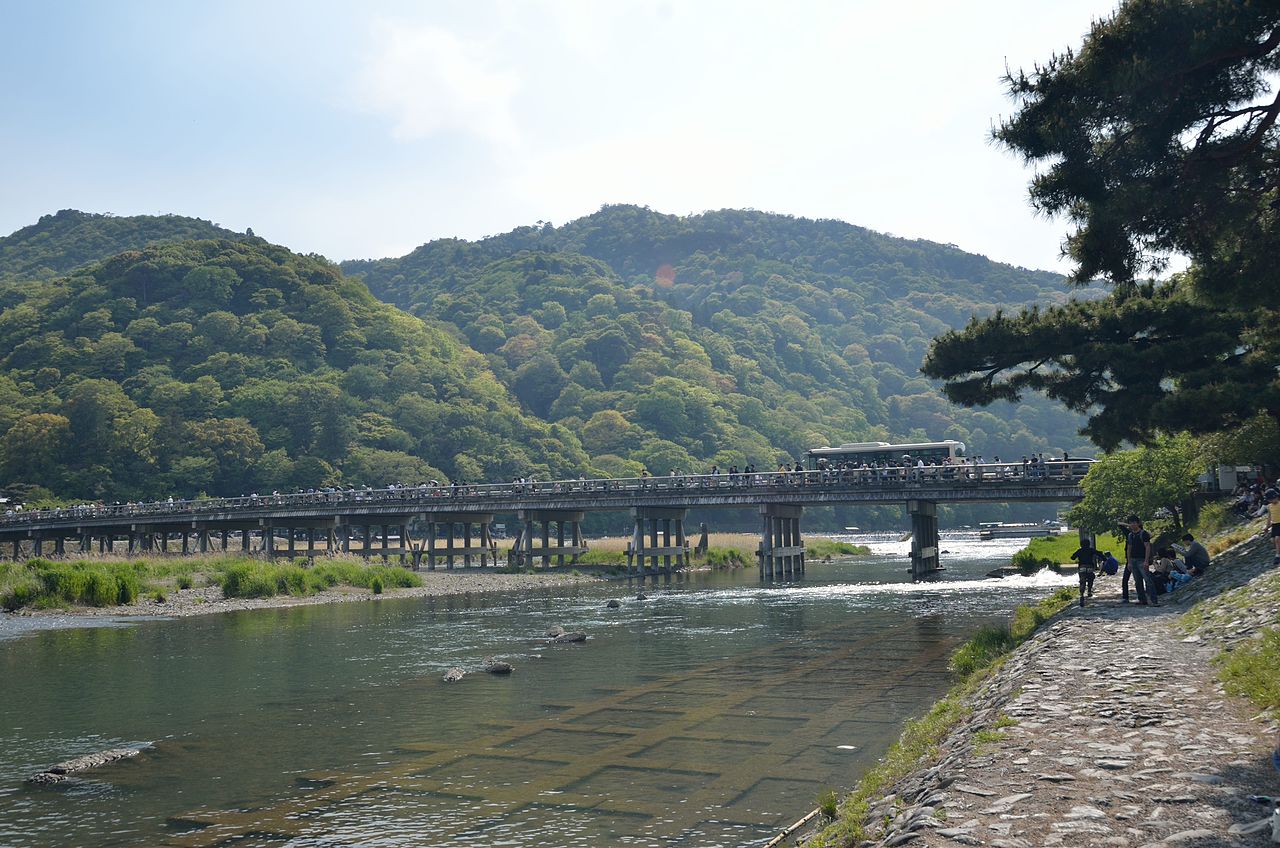
Best period·Autumn foliage typically peaks mid- to late November; cherry blossoms usually appear late March to early April. Weekends during both seasons see heavy crowds throughout the day — arriving early on a weekday, ideally at opening time, makes an enormous difference. The bamboo grove is at its most atmospheric in early morning mist.

京都府
Daigo-ji Temple
Best period·Cherry blossoms typically peak in late March to early April, with the weeping cherry at Sanbo-in especially prized. Autumn foliage is at its best mid-to-late November. Both seasons bring large crowds; early morning entry is strongly recommended. The trail to Upper Daigo suits fit walkers.

京都府
Maruyama Park
Best period·The weeping cherry typically blooms late March to early April. Evening illuminations are held during peak bloom — hours vary by year, so check the latest official information. Weekday mornings and evening visits during blossom season offer far fewer crowds than weekend afternoons.

京都府
Philosopher's Path
Best period·Cherry blossoms typically peak from late March to early April; autumn foliage is usually at its best from mid- to late November. Weekend mornings during blossom season draw very large crowds — a weekday visit before 8 a.m., walking south from the Ginkaku-ji end, is the best way to experience the path in relative peace.
events nearby
京都府 · 2026

July 1, 2026 〜 July 31, 2026
Gion Matsuri
京都府
Gion Matsuri events span the entire month of July. The Saki Matsuri yoiyama evenings fall around July 14–16, with the procession around the 17th; the Ato Matsuri procession follows around the 24th. Exact dates vary by year — check the official Yasaka Shrine website before planning your visit.
December 11, 2026 〜 December 20, 2026
Arashiyama Hanatoro
京都府
Hanatoro typically runs for around ten days in early to mid-December, from sunset until approximately 9 p.m. Dates and hours vary each year. Check the official Kyoto Hanatoro website before your visit, and dress warmly — December nights in Arashiyama are cold.

May 15, 2026
Aoi Matsuri (Hollyhock Festival)
京都府
The main procession, the rotonogi, takes place around May 15th each year. In the event of rain it is typically postponed to the following day. The purification ceremony, the misogi, is held at the Kamo River on approximately May 14th. Check the official shrine websites for confirmed dates before visiting.

November 14, 2026 〜 December 9, 2026
Eikando Autumn Leaves
京都府
Peak colour typically falls in the second to third week of November, though the exact timing shifts each year with temperature. Evening illuminations usually run concurrently. Check the official website for current admission fees and hours before visiting.

August 16, 2026
Gozan no Okuribi (Five Mountain Bonfires)
京都府
Gozan no Okuribi takes place on the evening of August 16th each year, rain or shine (though severe weather may cause changes). Each mountain is lit in sequence over roughly 15–20 minutes starting after dark. Confirm exact lighting times with the Kyoto City Tourism Association or official sources before your visit.

October 22, 2026
Jidai Matsuri (Festival of the Ages)
京都府
Held annually on October 22nd, the founding anniversary of Heian Jingū. In the event of heavy rain or severe weather, the procession is typically postponed to the 23rd. Confirm the exact schedule on the Heian Jingū or City of Kyoto official website.