
Photo: T-KIMURA / Wikimedia Commons (CC BY 4.0)
宮城県
Naruko Gorge
Overview
Naruko Gorge cuts into the foothills of the Ou Mountains in northwestern Miyagi Prefecture, forming a canyon roughly 100 metres deep where the Oya River has spent millennia carving through a mass of welded tuff. The gorge takes its name from the nearby Naruko Onsen hot-spring resort — a place where steam still rises from the earth along roadsides and riverbanks — and the combination of volcanic geology and abundant water has shaped a landscape that feels both ancient and alive. Stretching for about four kilometres, the canyon walls tower in rust-coloured and grey-brown columns of hardened volcanic rock, their crevices packed with the roots of deciduous trees that green over every surface in summer and erupt into brilliant colour each autumn. It is that autumn transformation that has made Naruko Gorge one of the most celebrated foliage destinations in the Tohoku region. From roughly mid- to late October — slightly earlier than the peak season at lower-elevation sites — the gorge is filled with the overlapping canopies of Japanese maple, oak, beech, and sumac, producing a colour range that runs from deep crimson through burnt orange to bright yellow. The depth and narrowness of the canyon creates a particular microclimate: the shade at the valley floor, the moisture from the river, and the angle of the autumn sun conspire to deepen the saturation of each leaf beyond what you would see on an open hillside. The view from Ofukasawa Bridge on National Route 108, looking down into the gorge from above, or from the walking trail that traces the canyon rim, captures the full vertical drama of rock, river, and colour in a single frame. Outside the foliage season, the gorge repays a visit in other ways. In late spring, fresh greenery saturates the cliff faces and the sound of the river carries up through clear air. Winter brings a quieter beauty: snow settles on the rock ledges and dead branches in forms that a photographer could study for hours. Naruko Gorge is best treated as part of a broader stay in Naruko Onsen, one of the Tohoku region's most storied hot-spring towns, where guests have soaked in sulphurous waters and collected kokeshi wooden dolls — a local craft tradition — for well over a century.
Best period
Autumn colour typically peaks mid- to late October, earlier than most lowland sites. Parking fills quickly even on weekdays during peak season — arriving before 9 a.m. is advisable. The canyon-rim trail can be slippery after rain; sturdy footwear is recommended. Weekday mornings offer significantly less congestion than weekends.
10 〜 11 月
Access
📍 Address: Hoshinuma, Naruko-Onsen, Osaki, Miyagi
From Naruko Onsen Station on the JR Rikuu East Line, the gorge is about 10 minutes by taxi or car. National Route 108 can become congested during peak foliage season; allow extra travel time. Limited free parking is available near the gorge lookout.
Map
Related spots
Same theme

京都府
Kiyomizu-dera Temple
Best period·Autumn foliage typically peaks mid- to late November, when the temple's maple groves rival the stage itself as the main attraction. Special evening illumination events are usually held during this period and in cherry blossom season — check the official site for exact dates and admission. Arriving right at opening time is the most reliable way to beat the crowds.

京都府
Eikando Zenrinji Temple
Best period·Autumn foliage typically peaks from mid to late November, when the roughly 3,000 maples across the grounds ignite in deep red. Evening illumination events are usually held during peak season (check the official site for schedules). Weekday mornings are far less crowded than weekends; the fresh greenery of May is a serene off-season alternative.

広島県
Miyajima Momijidani Park
Best period·Autumn foliage typically peaks mid-November to early December. Sunny mornings offer the most vivid light through the maples; evening illuminations (held most years during peak season — confirm with the Miyajima Tourism Association) add a magical dimension. Weekday mornings are far quieter than weekends.

京都府
Arashiyama
Best period·Autumn foliage typically peaks mid- to late November; cherry blossoms usually appear late March to early April. Weekends during both seasons see heavy crowds throughout the day — arriving early on a weekday, ideally at opening time, makes an enormous difference. The bamboo grove is at its most atmospheric in early morning mist.

青森県
Oirase Stream
Best period·Autumn foliage typically peaks mid to late October — among the most spectacular in the Tohoku region. Summer (July–August) is popular for misty mornings and cool forest shade. Arrive at opening time or visit on weekdays to avoid the heaviest crowds.

北海道
Sounkyo Gorge
Best period·Autumn colour peaks around early-to-mid October — earlier than most of Japan. Summer (July–August) is ideal for the waterfalls and alpine hiking. The winter ice festival runs roughly January–February; check official sources for exact dates and hours.
In the same area


events nearby
宮城県 · 2026
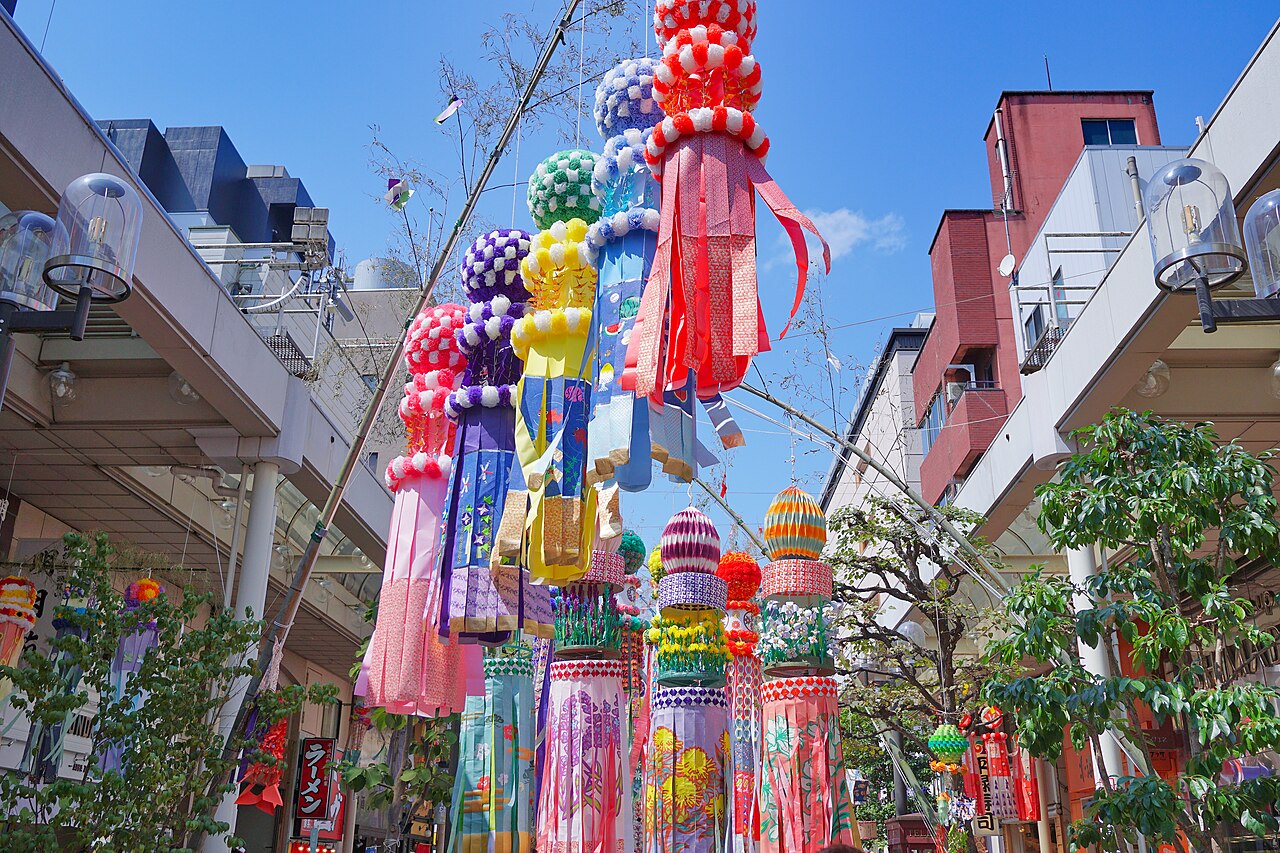
August 6, 2026 〜 August 8, 2026
Sendai Tanabata Matsuri
宮城県
Typically held August 6–8 (with an eve-of-festival fireworks show on August 5). Dates may vary by year — always check the official website for the latest schedule.
October 20, 2026 〜 November 10, 2026
Autumn Foliage of Naruko Gorge
宮城県
Peak colour generally falls in the third to fourth week of October, though timing can shift by one to two weeks depending on autumn temperatures. Check with the local tourism association or the official website for up-to-date conditions before planning your trip.