
Photo: Alpsdake / Wikimedia Commons (CC BY-SA 3.0)
長野県
Norikura Highlands Starry Skies
Overview
Spread across the lower slopes of Mount Norikura — a 3,026-metre peak straddling the border of Nagano and Gifu prefectures — Norikura Highlands (Norikura Kogen) is a high-altitude plateau sitting at roughly 1,400 to 1,500 metres above sea level. About ninety minutes by bus southwest of Matsumoto, the plateau unfolds as a mosaic of birch forests, alpine marshes, and clear mountain streams whose beauty during the day is already remarkable. Yet what truly sets Norikura apart is what appears after dark: a night sky of exceptional depth and richness that rewards even the most jaded traveller. Several natural factors conspire to make Norikura one of the finest stargazing locations in the Northern Japan Alps. The plateau sits in a basin enclosed on three sides by the ridgelines of the Northern Alps, which act as a physical barrier against the light pollution emanating from Matsumoto to the northeast and Takayama to the southwest. At elevations well above the valley floor, the air is thin, dry, and largely free of the haze and particulates that blur stars at lower altitudes. On a clear, moonless night, the Milky Way stretches across the sky not as a faint smear but as a clearly structured band, dense with stars and threaded with dark nebulae, while star clusters invisible to city dwellers resolve into distinct shapes overhead. Among the most popular spots for night observation are the low-light areas near Suzuran Bridge in the southern part of the plateau and the car park by Sanbondaki (Three Falls), both of which offer wide, unobstructed views of the sky. In summer, photographers gather to capture the silhouette of Norikura's summit cone rising against the Milky Way — a composition unique to this location. Autumn brings the additional foreground of the plateau's turning grasses and dwarf pines. The narrow window of the highland road's summer season, combined with the ban on private cars on the upper Norikura Echo Line, naturally limits crowds and helps preserve the darkness that makes the sky so extraordinary. Many visitors base themselves at one of the hot-spring inns clustered at the foot of the highlands, stepping outside after dinner to find the entire sky overhead blazing with light.
Best period
July and August offer the richest Milky Way; late October into November brings exceptional atmospheric transparency and vivid autumn colour underfoot. The highland road is typically closed by snow from around December to late April or May — check current conditions before visiting. Nights within two or three days of the new moon give the darkest sky.
6 〜 9 月
Access
📍 Address: Azumi, Matsumoto, Nagano (Norikura Highlands)
From Matsumoto Station, Alpico buses run to Norikura Kogen (Kanko Center-mae stop) in approximately 90 minutes. Private cars are subject to seasonal restrictions on the upper Echo Line; use the shuttle bus from Norikura Kogen during regulated periods.
Map
Related spots
Same theme

長野県
Achi Village (Japan's No.1 Starry Sky)
Best period·The Milky Way is at its most spectacular from July through August; winter nights (December–March) offer exceptional transparency and steady air. The Heavens Sonohara gondola typically runs from winter into spring — check the official site for the current season's schedule. Aim for a night within a few days of the new moon.

沖縄県
Iriomote Island Starry Skies
Best period·July through September, after the rainy season ends, delivers the Milky Way at its most vivid. January to March offers exceptional atmospheric transparency and sharp winter constellations. In all seasons, target nights within a few days of the new moon. Build flexibility into typhoon-season itineraries (August–October).

沖縄県
Ishigaki Island Starry Skies
Best period·December through March offers the clearest, most transparent skies; late March to May is ideal for viewing Scorpius and the upper stars of the Southern Cross. July and August bring the richest Milky Way but also afternoon thunderstorms. Always target nights near the new moon and head away from the town centre.

群馬県
Lake Nozori
Best period·June to September, around the new moon
岡山県
Bisei Town
Best period·June to September, on clear nights around the new moon
鹿児島県
Amami-Oshima Starry Sky
Best period·June to September, around the new moon
In the same area

長野県
Tatsuno Firefly Festival
Best period·Genji fireflies typically peak in mid-to-late June. Overcast or lightly rainy evenings produce the most active displays. Activity begins around 8 p.m. Check the official website for the exact festival schedule and viewing conditions each year.

長野県
Takato Castle Park
Best period·The Takato Kohigan cherry trees typically peak in early to mid-April, though exact timing varies with annual temperatures. Check the official town website or cherry blossom information services before traveling. The park charges an admission fee during the blossom season (confirm current rates before visiting). Weekday mornings offer the most relaxed experience.

長野県
SORA terrace, Ryuoo Mountain Park
Best period·June to October, especially early mornings after rain and at dusk (weather dependent)
長野県
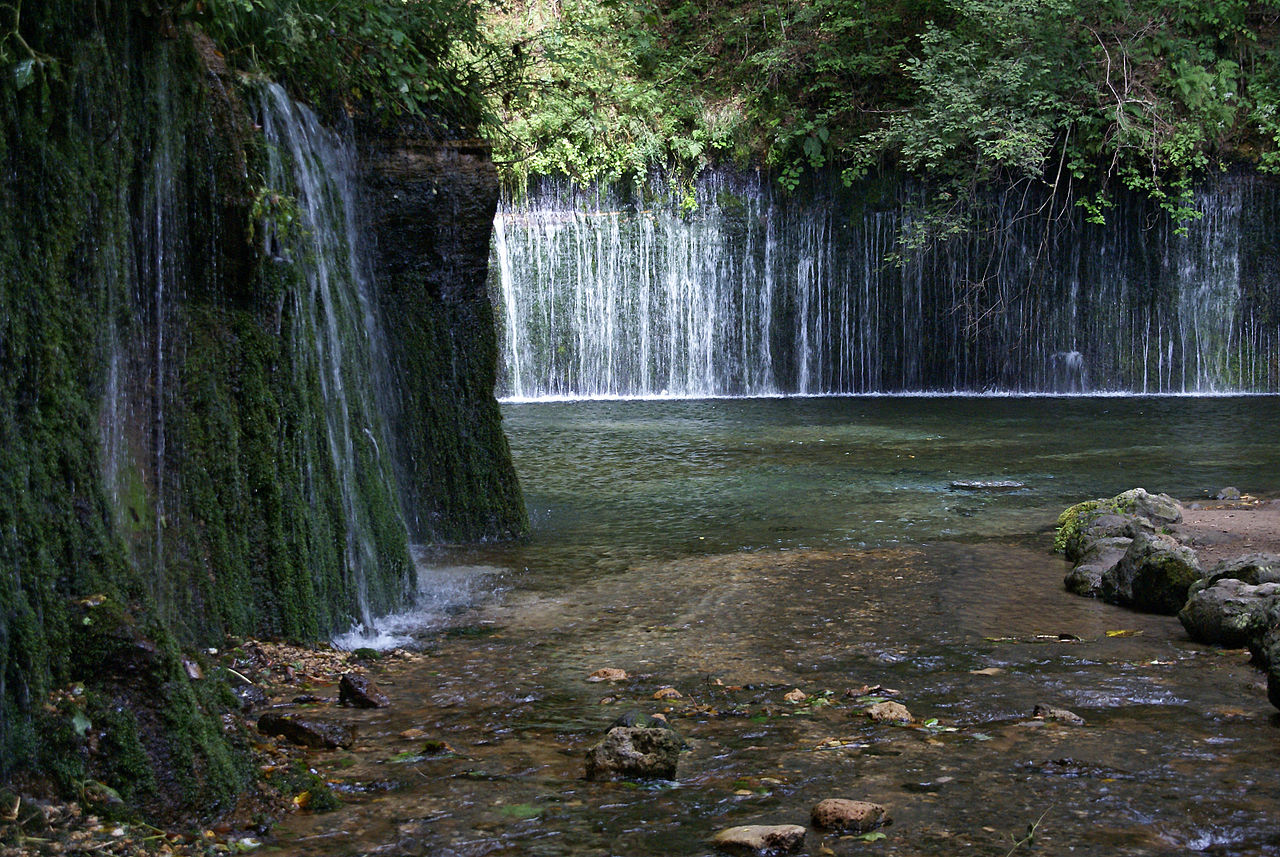
Shiraito Falls (Karuizawa)
Best period·Mid-October to early November

長野県
Matsumoto Castle in Snow
Best period·Mid-December to mid-February

長野県
Jigokudani Snow Monkey Park
Best period·December to March (best in deep winter)
events nearby
長野県 · 2026

August 15, 2026
Lake Suwa Fireworks Festival
長野県
The festival is traditionally held around August 15 during the Obon holiday period, though the exact date can vary. Paid reserved seating sells out well in advance; check the official website for ticketing details and any schedule changes.
March 28, 2026 〜 April 13, 2026
Takato Castle Park Cherry Blossom Festival
長野県
Peak bloom at Takato typically falls in early to mid-April — somewhat later than Somei Yoshino sites on the plains due to the higher elevation. Exact timing shifts with each year's temperature; check the official website for current bloom forecasts. Festival admission fees and opening hours vary annually.
June 13, 2026 〜 June 21, 2026
Shinshu Tatsuno Firefly Festival
長野県
The festival is held annually in mid-June, typically spanning two to three weeks from early June onwards. Firefly numbers peak around the middle of the period and vary considerably with nightly temperature and rainfall. Check the official Tatsuno Town website for real-time emergence updates before visiting.