
Photo: t-konno / Wikimedia Commons (CC BY-SA 3.0)
北海道
Otaru Snow Light Path Festival
Overview
Every February, the port city of Otaru on Hokkaido's west coast transforms into one of Japan's most quietly enchanting winter spectacles. The Otaru Snow Light Path Festival — known in Japanese as Yuki Akari no Michi, literally "the road of snow light" — fills the city's historic canal district and the old Temiya railway line with thousands of hand-lit candles, snow sculptures, and glass lanterns. What the festival lacks in pyrotechnics or loud fanfare it more than compensates for in mood: the sight of candlelight trembling on the black water of the Otaru Canal, hemmed in on both sides by century-old brick warehouses, belongs to a different register of beauty altogether. The festival traces its origins to 1999, when a small group of local residents began placing snow candles along the canal as a grassroots winter event. The concept was radically simple — melt a hollow into a snowball, drop in a candle, repeat — but the cumulative effect proved irresistible. The event grew steadily, and Otaru's reputation as a centre of glasscraft gave it a distinctive flourish: glass floats and handblown lanterns from local studios now line the canal banks alongside the snow candles, so that each flame is simultaneously reflected, refracted, and multiplied. The Temiya Line venue, a stretch of abandoned railway track that once connected Otaru's port to the city's freight yards, offers a different atmosphere from the canal: quieter, more meditative, with rows of lanterns standing between old rails half-buried in snow. Walking the length of the track at dusk, with the lights coming on one by one as the sky deepens from grey to blue-black, gives a sense of the city's industrial past intersecting with the still, frozen present. Beyond the two main venues, satellite sites spread through the city's old merchant streets, making it easy to spend an entire evening moving from one pool of candlelight to the next. The surrounding area rewards exploration even outside the festival itself — Otaru's confectionery shops, seafood restaurants, and preserved Meiji-era streetscapes have made it one of Hokkaido's most visited day-trip and overnight destinations.
Best period
The festival typically runs for around ten days in early to mid-February; exact dates change each year, so check the official website before visiting. Weekday evenings are noticeably quieter than weekends. Temperatures regularly drop to around -5 to -10 °C — warm layers and non-slip footwear are essential.
2 〜 2 月
Access
📍 Address: Otaru Canal and Kyu-Temiya Line venues, Otaru, Hokkaido
Otaru Station is served by frequent JR Rapid Airport trains from Sapporo in about 30–40 minutes. The canal is a 7–10 minute walk from the station. Parking fills quickly on festival weekends; public transport is strongly recommended.
Map
Related spots
Same theme

岐阜県
Shirakawa-go
Best period·Winter (roughly January–February) is the highlight season, with snow-covered rooftops and the famous evening illumination events. Autumn foliage typically peaks late October to early November. Illumination evenings usually require advance lottery registration — check the official site well ahead of time.

山形県
Ginzan Onsen
Best period·Winter (December through February) is the most iconic season, when snow and lantern light combine for the village's signature atmosphere. Autumn foliage typically peaks in late October to early November. Weekends book out quickly; advance reservations are strongly recommended. Day-trip bathing hours vary by inn — check each property's official site before visiting.

福島県
Ouchi-juku
Best period·The winter snow scene, roughly late December through February, is the most iconic. The annual snow festival (usually late January to early February) adds torchlight and lanterns after dark. Autumn colour typically peaks in late October to early November. Weekends fill the car park by mid-morning; a weekday or early arrival is strongly recommended.

石川県
Kenrokuen (Yukitsuri)
Best period·Yukitsuri is typically installed from early November through mid-March. The finest views come after a fresh snowfall on a clear morning, when the pond reflections are at their most striking. Evening illuminations are held during certain periods — confirm exact dates on the official website.

富山県
Tateyama Kurobe Alpine Route — Snow Corridor
Best period·Snow walls are tallest in mid-April to early May; the Golden Week holiday period brings heavy crowds. Arriving early in the morning is advisable both to minimise queuing and to catch the best angled light on the snow walls. Check the official site for opening dates and congestion forecasts before travelling.

秋田県
Lake Tazawa (Winter)
Best period·Peak winter scenery runs from late December through early March. Clear mornings bring the best light on the Tatsuko statue and snow-covered shore. Dress in full winter layers; temperatures regularly drop below freezing.
In the same area

北海道
Farm Tomita
Best period·Peak lavender bloom falls in early to mid-July and draws enormous crowds. Arrive at opening time or visit on a weekday to avoid the worst congestion. Mixed-flower fields extend the season into September — check the official website for current bloom conditions.
北海道
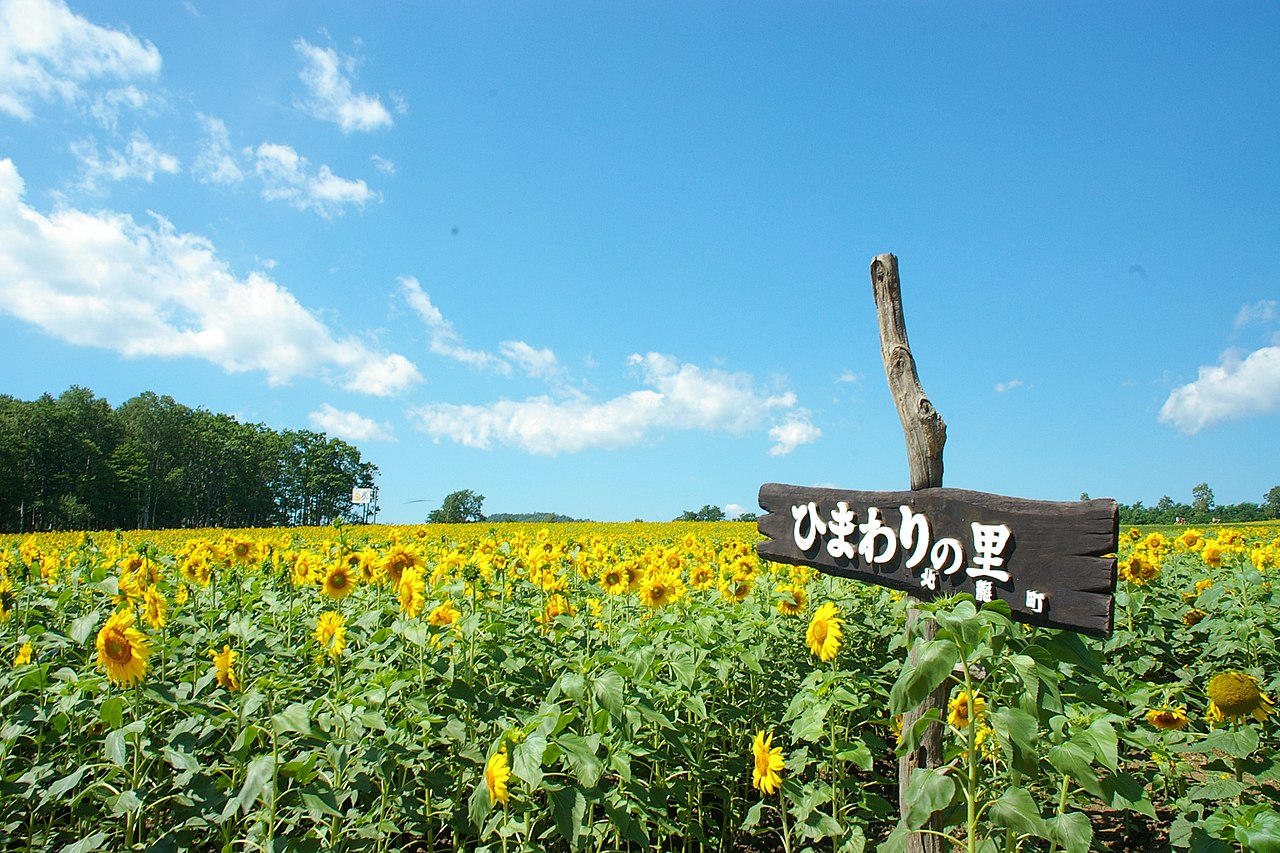
Hokuryu Sunflower Village
Best period·Peak bloom typically runs mid-July to mid-August. Clear mornings with low-angled light offer the most dramatic views. Blooming dates shift with temperatures each year — check the town's official tourism site before visiting.

北海道
Shiretoko Drift Ice
Best period·February is generally the peak month for drift ice, though ice can appear from late January and persists into early March. Conditions vary considerably year to year. Check the latest ice contact and density reports through the Drift Ice Information Center or the icebreaker's official site before you travel.

北海道
Sounkyo Gorge
Best period·Autumn colour peaks around early-to-mid October — earlier than most of Japan. Summer (July–August) is ideal for the waterfalls and alpine hiking. The winter ice festival runs roughly January–February; check official sources for exact dates and hours.

北海道
Takinoue Park (Pink Moss)
Best period·Pink moss typically peaks from mid-May to early June, though the exact timing shifts by a week or two depending on the year's temperatures. Check the official Takinoue tourism website for current bloom updates before your visit. Early morning light is ideal for photography, and crowds are thinner before midday.

北海道
Bihoro Pass
Best period·Autumn foliage peaks in early to mid-October — one of Hokkaido's finest leaf-colour viewpoints. Summer (June–July) offers vivid green hillsides against the lake's deep blue. The fog-waterfall phenomenon occurs on cold, calm autumn and winter mornings; arrive early for the best chance of seeing it.
events nearby
北海道 · 2026

February 4, 2026 〜 February 11, 2026
Sapporo Snow Festival
北海道
Typically held for approximately ten days in early to mid-February. Exact dates and venue details vary year to year — always check the official website for the current schedule before planning your visit.
July 1, 2026 〜 July 31, 2026
Furano Lavender Season
北海道
Lavender typically blooms from late June through early August, peaking in mid- to late July. Exact timing varies each year depending on temperature. Check individual farm websites and the local tourism association for up-to-date bloom reports before your visit.

February 6, 2026 〜 February 11, 2026
Asahikawa Winter Festival
北海道
Typically held for several days in early to mid-February. Exact dates and venue details change each year — check the official website before making plans. Weekends draw the largest crowds.
July 20, 2026 〜 August 18, 2026
Hokuryu Sunflower Village & Festival
北海道
Sunflowers typically reach peak bloom from early to mid-August, when the annual festival is also held. Exact timing varies with the season's temperatures — check the Hokuryu Tourism Association's official site for current bloom updates before you visit.

February 7, 2026 〜 February 14, 2026
Otaru Snow Light Path
北海道
Held annually for approximately ten days in early to mid-February. Exact dates, lighting hours, and venue details vary each year — always check the official website before your visit. Events may be reduced in severe weather.

November 20, 2026 〜 March 14, 2027
Sapporo White Illumination
北海道
Typically runs from late November through the end of February. Exact dates, venue areas, and lighting hours vary by year — always check the official website before visiting. Year-end holidays and weekends are the busiest periods.