
Photo: Gzzz / Wikimedia Commons (CC BY 4.0)
京都府
Philosopher's Path
Overview
The Philosopher's Path — Tetsugaku-no-Michi in Japanese — is a stone-paved lane tracing the southern branch of the Lake Biwa Canal (Biwako Sosui) through the Higashiyama foothills of eastern Kyoto. Stretching roughly 1.8 kilometres between the approach to Ginkaku-ji (the Silver Pavilion) in the north and Kumano Nyakuoji Shrine in the south, it owes its evocative name to the early-twentieth-century philosopher Nishida Kitaro, who is said to have walked this route daily in meditative reflection. The path feels genuinely apart from the city: along its length, small cafés, independent galleries, and intimate neighbourhood shrines alternate with long, quiet stretches where the only sounds are water moving through the canal and birdsong filtering through the trees. Spring transforms the path into one of the most celebrated cherry-blossom corridors in the Kansai region. Some 450 Somei Yoshino cherry trees line both banks of the canal, their branches arching overhead to form a continuous pink tunnel from late March through early April. When petals fall, they settle on the water's surface in drifting clusters — a phenomenon poetically called hana-ikada, or "flower raft" — creating a scene of quiet beauty that can feel almost surreal in morning light. Autumn brings a different but equally compelling drama: the maples and zelkova trees between Ginkaku-ji and Honen-in reflect layers of crimson and amber in the canal, typically reaching their peak in mid- to late November. Beyond its seasonal displays, the path rewards slow, unhurried walking throughout the year. Ginkaku-ji at the northern end is a UNESCO World Heritage site whose sand garden and moss landscapes quietly astonish. Further south, the thatched-gate Honen-in — a temple rarely crowded even in peak season — shelters a mossy precincts of striking stillness. Anraku-ji and Reikan-ji add further historical depth. In summer, the canopy of mature trees keeps the path shaded and cool; in winter, a light dusting of snow on the stone pavement lends the whole corridor a wabi-cha quality that rewards the few visitors willing to seek it out.
Best period
Cherry blossoms typically peak from late March to early April; autumn foliage is usually at its best from mid- to late November. Weekend mornings during blossom season draw very large crowds — a weekday visit before 8 a.m., walking south from the Ginkaku-ji end, is the best way to experience the path in relative peace.
3 〜 4 月
Access
📍 Address: Sakyo, Kyoto (between Ginkaku-ji and Nanzen-ji)
Take a city bus to the Ginkaku-ji-michi stop for the northern entrance, or walk about 15 minutes from Keage Station on the Tozai subway line for the southern end. Parking in the area is limited, so public transport is recommended.
Map
Related spots
Same theme
奈良県
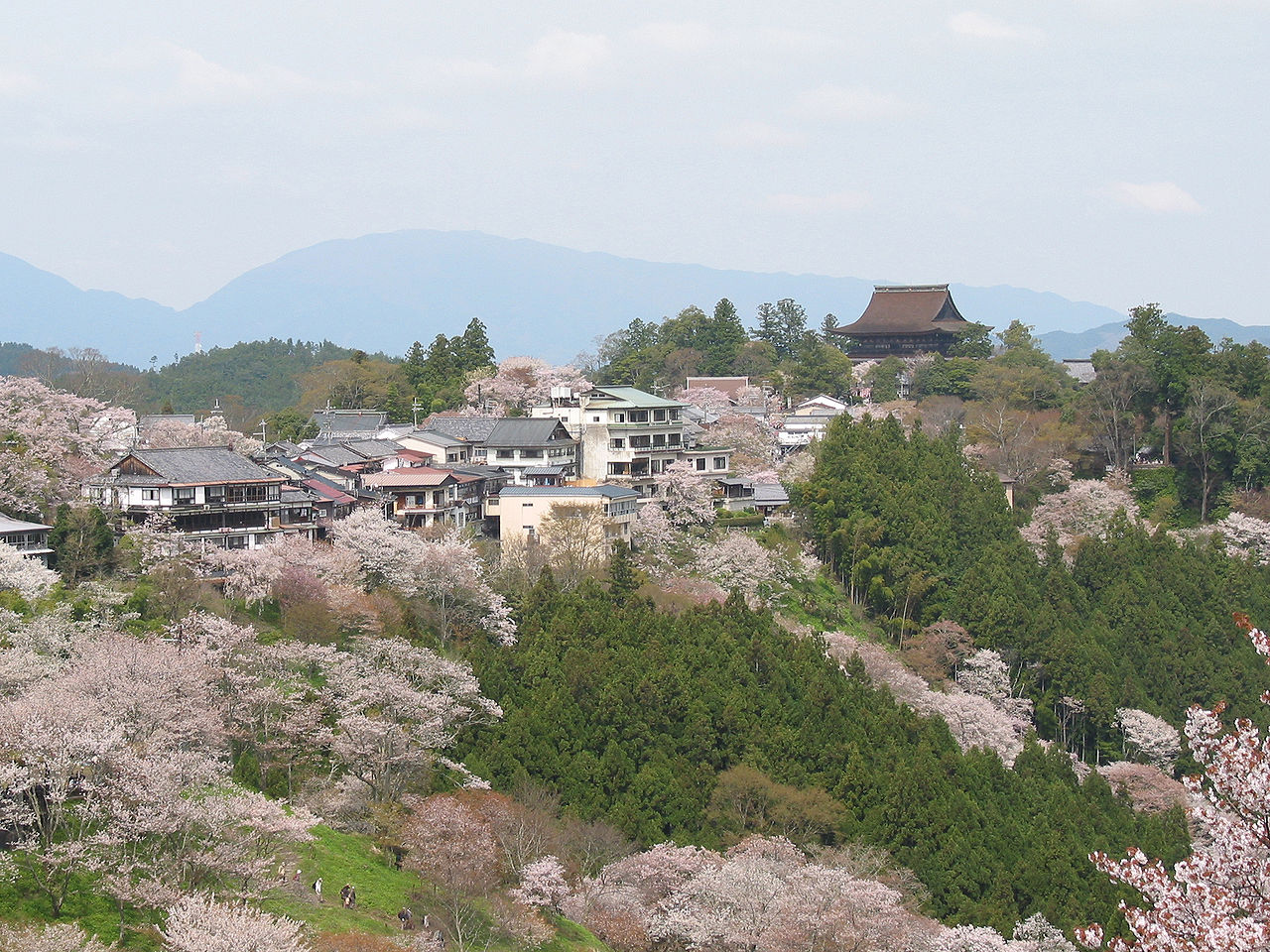
Mt. Yoshino
Best period·Cherry blossoms typically peak from early to mid-April, with Shimo-Senbon blooming first and Oku-Senbon last (about a two-week window across the mountain). Autumn foliage generally peaks late October to mid-November. Weekday visits and early starts are strongly recommended during both seasons to avoid heavy crowds.
青森県
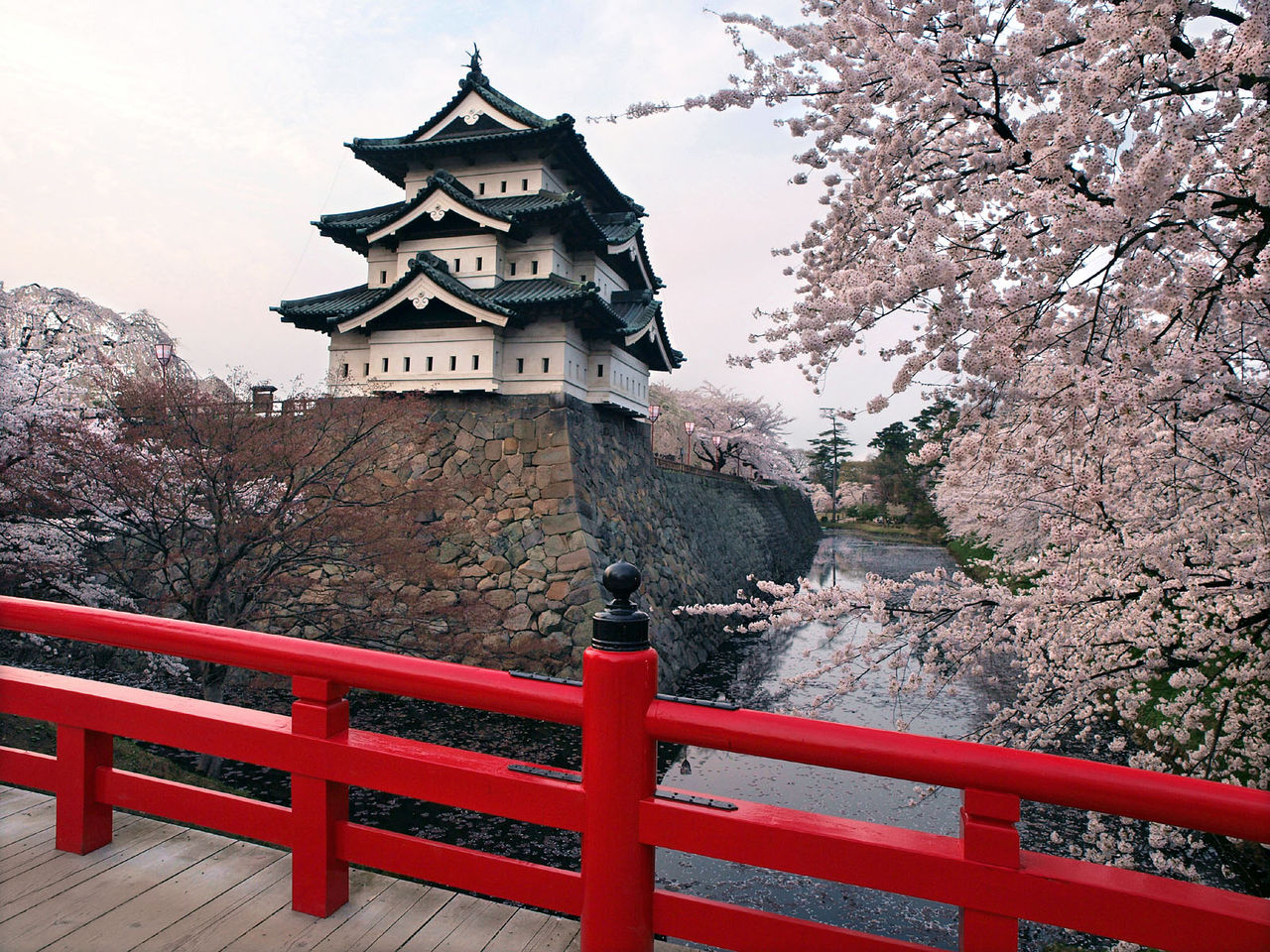
Hirosaki Park
Best period·Cherry blossoms typically peak late April to early May — check the official Hirosaki City website for real-time bloom forecasts. Autumn foliage is generally best mid-October to early November. Visit early morning to avoid the largest crowds.

山梨県
Arakurayama Sengen Park
Best period·Cherry blossoms typically peak from early to mid-April, when the combination of blooms, pagoda, and snow-capped Fuji is at its most spectacular. Arrive well before sunrise for the best light and fewer crowds. Autumn foliage is generally at its finest in early to mid-November. Check the official site for current conditions before visiting.

東京都
Chidorigafuchi Moat
Best period·Cherry blossoms typically peak from late March to early April, and the promenade can be extremely crowded on weekends — even late into the evening. Evening illuminations are usually held during blossom season (check official sources for current details). Arriving early on a weekday morning gives the most serene experience.

東京都
Meguro River Cherry Blossoms
Best period·Cherry blossoms typically peak between late March and early April, though the exact timing shifts with winter temperatures each year. Peak weekend afternoons are extremely crowded; weekday mornings or evening hours during the illumination period offer a noticeably calmer experience.

長野県
Takato Castle Park
Best period·The Takato Kohigan cherry trees typically peak in early to mid-April, though exact timing varies with annual temperatures. Check the official town website or cherry blossom information services before traveling. The park charges an admission fee during the blossom season (confirm current rates before visiting). Weekday mornings offer the most relaxed experience.
In the same area

京都府
Kiyomizu-dera Temple
Best period·Autumn foliage typically peaks mid- to late November, when the temple's maple groves rival the stage itself as the main attraction. Special evening illumination events are usually held during this period and in cherry blossom season — check the official site for exact dates and admission. Arriving right at opening time is the most reliable way to beat the crowds.

京都府
Eikando Zenrinji Temple
Best period·Autumn foliage typically peaks from mid to late November, when the roughly 3,000 maples across the grounds ignite in deep red. Evening illumination events are usually held during peak season (check the official site for schedules). Weekday mornings are far less crowded than weekends; the fresh greenery of May is a serene off-season alternative.

京都府
Mimurotoji Temple
Best period·Azaleas and rhododendrons typically peak late April through mid-May; hydrangeas peak mid-June to early July, drawing the largest crowds. Weekday mornings are far quieter. Autumn foliage is usually best mid to late November. Confirm admission details on the official website.

京都府
Arashiyama
Best period·Autumn foliage typically peaks mid- to late November; cherry blossoms usually appear late March to early April. Weekends during both seasons see heavy crowds throughout the day — arriving early on a weekday, ideally at opening time, makes an enormous difference. The bamboo grove is at its most atmospheric in early morning mist.

京都府
Daigo-ji Temple
Best period·Cherry blossoms typically peak in late March to early April, with the weeping cherry at Sanbo-in especially prized. Autumn foliage is at its best mid-to-late November. Both seasons bring large crowds; early morning entry is strongly recommended. The trail to Upper Daigo suits fit walkers.

京都府
Maruyama Park
Best period·The weeping cherry typically blooms late March to early April. Evening illuminations are held during peak bloom — hours vary by year, so check the latest official information. Weekday mornings and evening visits during blossom season offer far fewer crowds than weekend afternoons.
events nearby
京都府 · 2026

July 1, 2026 〜 July 31, 2026
Gion Matsuri
京都府
Gion Matsuri events span the entire month of July. The Saki Matsuri yoiyama evenings fall around July 14–16, with the procession around the 17th; the Ato Matsuri procession follows around the 24th. Exact dates vary by year — check the official Yasaka Shrine website before planning your visit.
December 11, 2026 〜 December 20, 2026
Arashiyama Hanatoro
京都府
Hanatoro typically runs for around ten days in early to mid-December, from sunset until approximately 9 p.m. Dates and hours vary each year. Check the official Kyoto Hanatoro website before your visit, and dress warmly — December nights in Arashiyama are cold.

May 15, 2026
Aoi Matsuri (Hollyhock Festival)
京都府
The main procession, the rotonogi, takes place around May 15th each year. In the event of rain it is typically postponed to the following day. The purification ceremony, the misogi, is held at the Kamo River on approximately May 14th. Check the official shrine websites for confirmed dates before visiting.

November 14, 2026 〜 December 9, 2026
Eikando Autumn Leaves
京都府
Peak colour typically falls in the second to third week of November, though the exact timing shifts each year with temperature. Evening illuminations usually run concurrently. Check the official website for current admission fees and hours before visiting.

August 16, 2026
Gozan no Okuribi (Five Mountain Bonfires)
京都府
Gozan no Okuribi takes place on the evening of August 16th each year, rain or shine (though severe weather may cause changes). Each mountain is lit in sequence over roughly 15–20 minutes starting after dark. Confirm exact lighting times with the Kyoto City Tourism Association or official sources before your visit.

October 22, 2026
Jidai Matsuri (Festival of the Ages)
京都府
Held annually on October 22nd, the founding anniversary of Heian Jingū. In the event of heavy rain or severe weather, the procession is typically postponed to the 23rd. Confirm the exact schedule on the Heian Jingū or City of Kyoto official website.