
Photo: Tmv / Wikimedia Commons (CC BY-SA 4.0)
東京都
Rikugien Garden
Overview
Rikugien Garden, tucked into the Honkomagome neighbourhood of Bunkyo Ward in Tokyo, is one of the finest surviving examples of Edo-period daimyo garden design. Its origins trace back to the Genroku era (1695–1702), when Yanagisawa Yoshiyasu — a senior official of extraordinary influence under the fifth shogun Tokugawa Tsunayoshi — spent seven years constructing a strolling garden on his private estate. The name "Rikugien" is drawn from the six principles of Chinese poetry as codified in the ancient anthology Shijing, a reflection of the garden's intent to embody the aesthetic spirit of classical waka poetry in landscape form. The garden passed through several hands before Iwasaki Yataro, founder of the Mitsubishi zaibatsu, acquired it during the Meiji period. In 1938 it was donated to the city of Tokyo, and today it operates as a metropolitan garden designated a Special Place of Scenic Beauty by the national government — the highest category of cultural landscape protection in Japan. At its heart lies the Daizensui, a large central pond around which a series of hills, stone lanterns, a moon-viewing bridge, and a tea house are arranged in careful sequence. Walking the perimeter path, visitors encounter a different composition at every turn, each framing a specific combination of water, stone, and foliage that was considered when the garden was first designed three centuries ago. Rikugien's seasonal transformations are its greatest gift to repeat visitors. A celebrated weeping cherry near the main gate erupts in bloom each spring, drawing evening crowds for the illuminations. Autumn brings perhaps the most breathtaking scene: maples and large deciduous trees turn deep crimson and gold around the pond, their reflections doubling the colour on still water. In summer, the garden becomes a cool refuge under a canopy of mature trees. Even in winter, the bare branches and quieter crowds offer a clarity that reveals the garden's underlying geometry.
Best period
The weeping cherry peaks around late March to early April; autumn foliage typically reaches its best from mid-November through early December. Both seasons feature evening illuminations — arrive on a weekday and early to avoid the heaviest crowds. Always check the official Tokyo Metropolitan Park website for current conditions.
11 〜 12 月
Access
📍 Address: 6-16-3 Hon-Komagome, Bunkyo, Tokyo
A 7-minute walk from Komagome Station (JR Yamanote Line / Tokyo Metro Namboku Line), south exit. Also reachable in about 10 minutes on foot from Sengoku Station (Toei Mita Line). Expect queues at the gate during peak foliage and cherry blossom season.
Map
Related spots
Same theme

京都府
Kiyomizu-dera Temple
Best period·Autumn foliage typically peaks mid- to late November, when the temple's maple groves rival the stage itself as the main attraction. Special evening illumination events are usually held during this period and in cherry blossom season — check the official site for exact dates and admission. Arriving right at opening time is the most reliable way to beat the crowds.

京都府
Eikando Zenrinji Temple
Best period·Autumn foliage typically peaks from mid to late November, when the roughly 3,000 maples across the grounds ignite in deep red. Evening illumination events are usually held during peak season (check the official site for schedules). Weekday mornings are far less crowded than weekends; the fresh greenery of May is a serene off-season alternative.

広島県
Miyajima Momijidani Park
Best period·Autumn foliage typically peaks mid-November to early December. Sunny mornings offer the most vivid light through the maples; evening illuminations (held most years during peak season — confirm with the Miyajima Tourism Association) add a magical dimension. Weekday mornings are far quieter than weekends.
京都府
Arashiyama
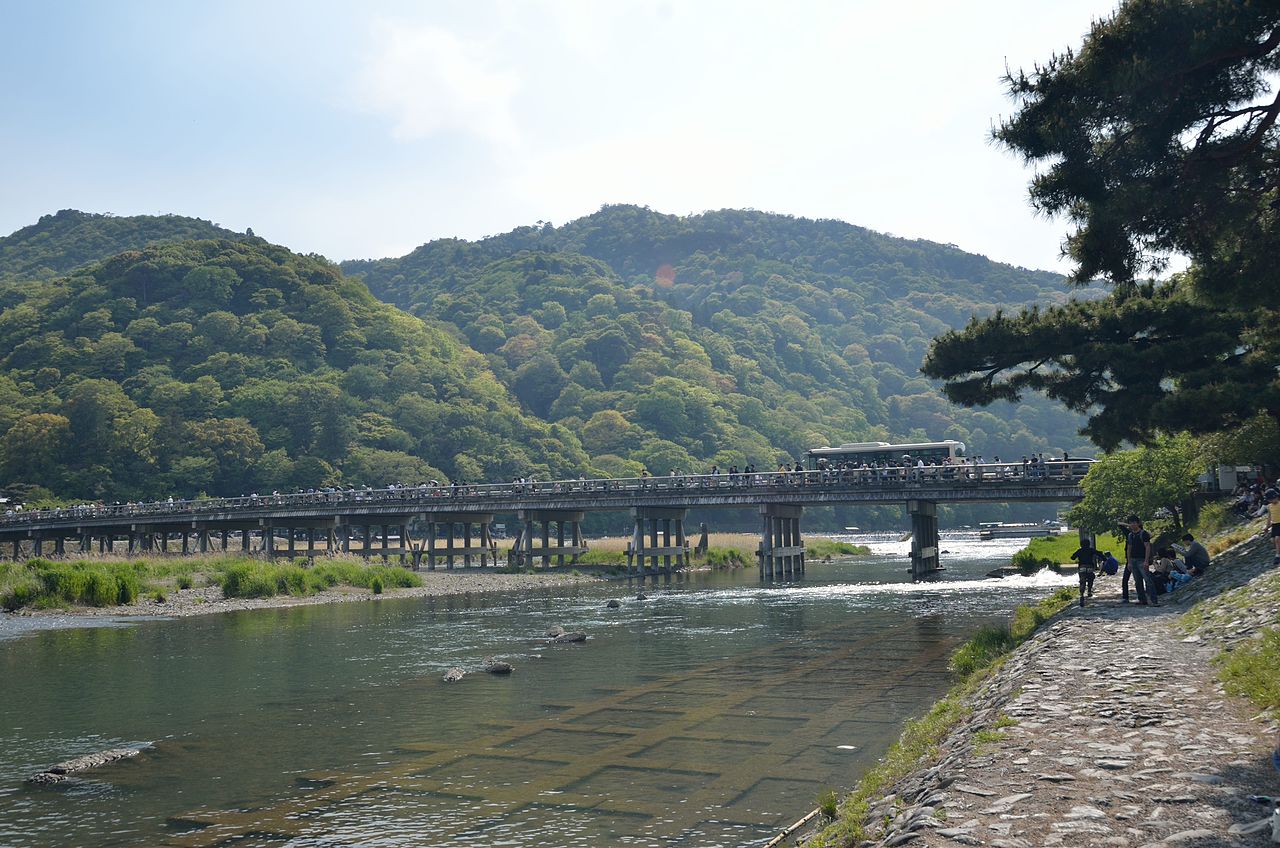
Best period·Autumn foliage typically peaks mid- to late November; cherry blossoms usually appear late March to early April. Weekends during both seasons see heavy crowds throughout the day — arriving early on a weekday, ideally at opening time, makes an enormous difference. The bamboo grove is at its most atmospheric in early morning mist.

青森県
Oirase Stream
Best period·Autumn foliage typically peaks mid to late October — among the most spectacular in the Tohoku region. Summer (July–August) is popular for misty mornings and cool forest shade. Arrive at opening time or visit on weekdays to avoid the heaviest crowds.

北海道
Sounkyo Gorge
Best period·Autumn colour peaks around early-to-mid October — earlier than most of Japan. Summer (July–August) is ideal for the waterfalls and alpine hiking. The winter ice festival runs roughly January–February; check official sources for exact dates and hours.
In the same area

東京都
Showa Kinen Park
Best period·Cherry blossoms (late March to early April) and ginkgo foliage (late October to mid-November) draw the largest crowds. Visit on weekdays or arrive at opening time during peak weeks. Check the official website for the latest bloom information before your trip.

東京都
Chidorigafuchi Moat
Best period·Cherry blossoms typically peak from late March to early April, and the promenade can be extremely crowded on weekends — even late into the evening. Evening illuminations are usually held during blossom season (check official sources for current details). Arriving early on a weekday morning gives the most serene experience.

東京都
Meguro River Cherry Blossoms
Best period·Cherry blossoms typically peak between late March and early April, though the exact timing shifts with winter temperatures each year. Peak weekend afternoons are extremely crowded; weekday mornings or evening hours during the illumination period offer a noticeably calmer experience.

東京都
Shinjuku Gyoen
Best period·Cherry blossoms typically run from late March to late April, with multiple varieties extending the season longer than most Tokyo parks. Autumn colour usually peaks from mid-November to early December. Weekend mornings during both seasons draw large crowds; arriving on a weekday, shortly after opening, is the most effective way to enjoy the garden at its best. Note that alcohol is not permitted inside (confirm current entry fees and rules on the official website).

東京都
Yushima Tenjin Shrine
Best period·Plum blossoms typically peak from early to mid-February through early March. The annual plum festival draws large crowds; early mornings on weekdays are the quietest. Autumn foliage (mid to late November) is also beautiful. Examination season (December–February) brings a constant stream of hopeful students.

東京都
Mt. Takao
Best period·Autumn colour typically peaks from mid- to late November; spring violet season is quieter and usually runs through April. Winter clear days offer the sharpest views of Mount Fuji. Weekends during autumn foliage season see heavy congestion all the way to the summit — a weekday morning start makes a significant difference.
events nearby
東京都 · 2026

July 25, 2026
Sumida River Fireworks Festival
東京都
Held annually on a Saturday in late July. Postponement to the following Saturday is common in the event of heavy rain or storms. Always check the official website and announcements from Taito and Sumida wards for the confirmed date and any last-minute changes.

November 14, 2025 〜 December 25, 2025
Tokyo Midtown Christmas
東京都
The event typically runs from late November through around December 25th. Illumination hours and the exact closing date vary by year — check the official Tokyo Midtown website for current-season details. Weekday evenings tend to be less crowded than weekends and the days immediately before Christmas.

March 22, 2026 〜 April 5, 2026
Meguro River Cherry Blossom Festival
東京都
The cherry trees typically peak between late March and early April, though the exact timing shifts year to year depending on winter temperatures. Monitor Tokyo's official blossom forecasts and check the festival's official site for confirmed event dates before visiting.

March 26, 2026 〜 April 6, 2026
Chidorigafuchi Cherry Blossoms (Chiyoda Sakura Festival)
東京都
Peak bloom typically falls between late March and early April, with the Chiyoda Sakura Festival running concurrently. Exact dates shift by one to two weeks depending on winter temperatures, so confirm the illumination schedule and festival programme on the official website before visiting.

August 1, 2026
Edogawa Fireworks Festival
東京都
Typically held in August each year. The event may be cancelled or postponed due to rain or strong winds. Always check the official Edogawa Ward or Ichikawa City website for the confirmed date and seating details.

May 14, 2026 〜 May 15, 2026
Kanda Matsuri
東京都
The full Honmatsuri processions take place around mid-May in odd-numbered years only. In even-numbered years, a reduced Kage Matsuri is held. Exact dates vary each year — check the official Kanda Myojin website for the latest schedule before planning your visit.