
Photo: Basile Morin / Wikimedia Commons (CC BY-SA 4.0)
東京都
Shinjuku Gyoen
Overview
Shinjuku Gyoen occupies roughly 58 hectares in the heart of Tokyo, straddling the boundary between Shinjuku and Yotsuya. Its origins trace back to the Edo period, when the land served as the lower estate of the Naito clan. After the Meiji Restoration it briefly became an agricultural research station before opening in 1906 as an imperial garden under the management of the Imperial Household Agency. Following World War II, in 1949, the gates were opened to the public, and today it is administered by the Ministry of the Environment as one of Japan's three designated National Gardens. What sets Shinjuku Gyoen apart from any other urban green space in Tokyo — or arguably in Japan — is the seamless coexistence of three distinct garden traditions within a single boundary wall. The French Formal Garden arranges perfectly symmetrical flower beds and clipped plane-tree allées with the precision of Versailles in miniature. Adjoining it, the English Landscape Garden opens into rolling lawns punctuated by ancient zelkovas, camphor trees, and London planes whose canopies are wide enough to offer shade to hundreds of visitors at once. Threading through the eastern end, the Japanese Traditional Garden frames three interconnected ponds — Upper, Middle, and Lower — with stone lanterns, a traditional teahouse, and the graceful silhouette of the old imperial pavilion reflected on still water. Moving between these three worlds in the space of a single afternoon is one of the quietly remarkable experiences Tokyo has to offer. The garden earns its reputation above all in spring. Around one thousand cherry trees representing more than sixty-five varieties — Somei Yoshino, Oshima, Ichiyo, Kanzan, and many rarer cultivars — bloom in succession from late March through late April, creating an unusually long window compared with most cherry-blossom spots in the city. In autumn, from mid-November to early December, the foliage season brings an equally layered display: ginkgos turn a luminous yellow, cherries shift to warm amber, and maples deepen into crimson, all set against the backdrop of the surrounding skyscrapers. That juxtaposition — ancient trees and contemporary towers, centuries-old garden design and the pulse of one of the world's busiest districts just outside the walls — is precisely what makes Shinjuku Gyoen feel so singular.
Best period
Cherry blossoms typically run from late March to late April, with multiple varieties extending the season longer than most Tokyo parks. Autumn colour usually peaks from mid-November to early December. Weekend mornings during both seasons draw large crowds; arriving on a weekday, shortly after opening, is the most effective way to enjoy the garden at its best. Note that alcohol is not permitted inside (confirm current entry fees and rules on the official website).
3 〜 4 月
Access
📍 Address: 11 Naito-machi, Shinjuku, Tokyo
Shinjuku Gate: a 5-minute walk from Shinjuku-Gyoenmae Station (Tokyo Metro Marunouchi Line). Okido Gate: a 5-minute walk from Yotsuya-Sanchome Station (Marunouchi/Toei Shinjuku lines). Shinjuku Gate is the most popular entrance and the most convenient from Shinjuku Station.
Map
Related spots
Same theme
奈良県
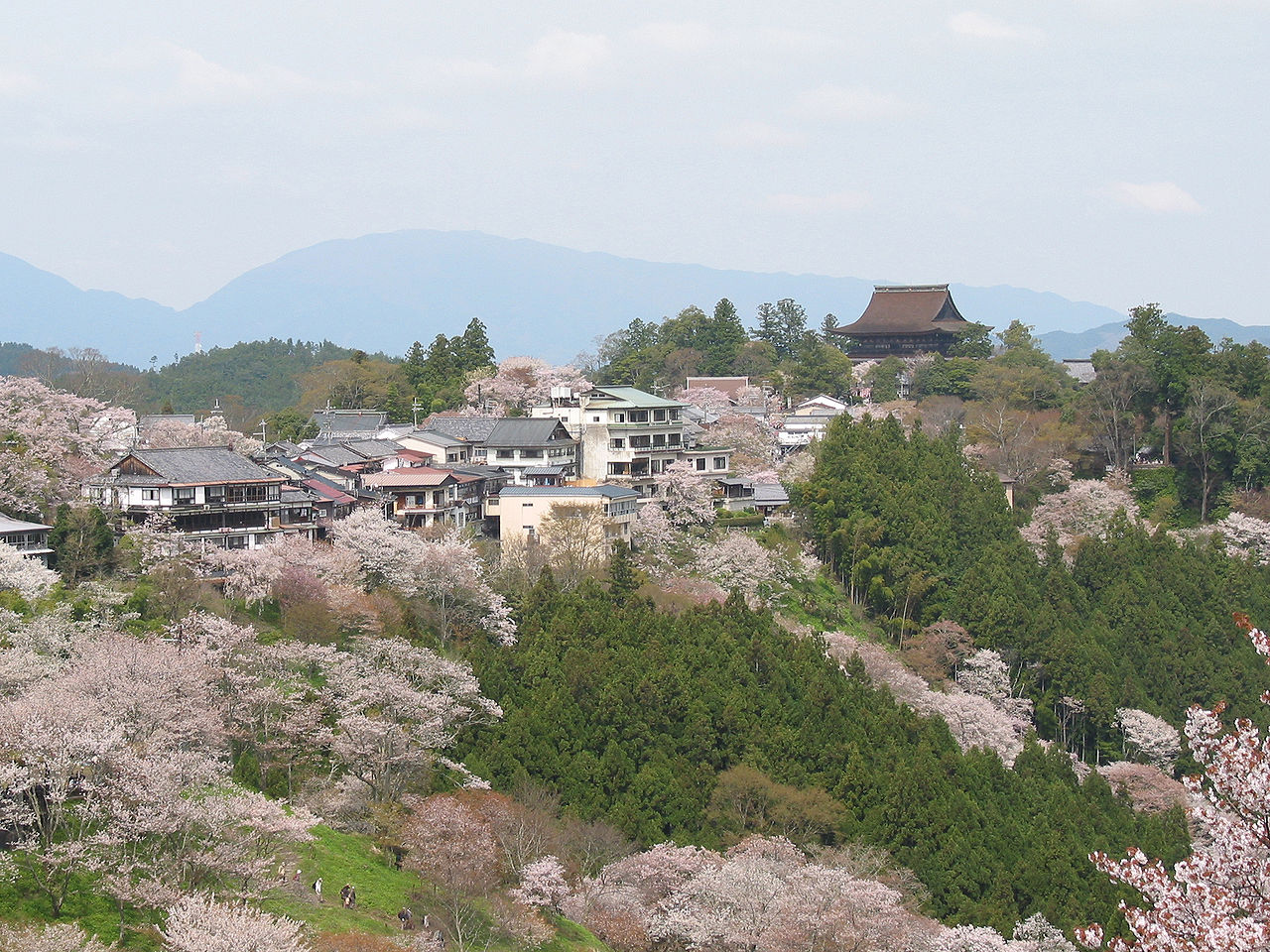
Mt. Yoshino
Best period·Cherry blossoms typically peak from early to mid-April, with Shimo-Senbon blooming first and Oku-Senbon last (about a two-week window across the mountain). Autumn foliage generally peaks late October to mid-November. Weekday visits and early starts are strongly recommended during both seasons to avoid heavy crowds.
青森県
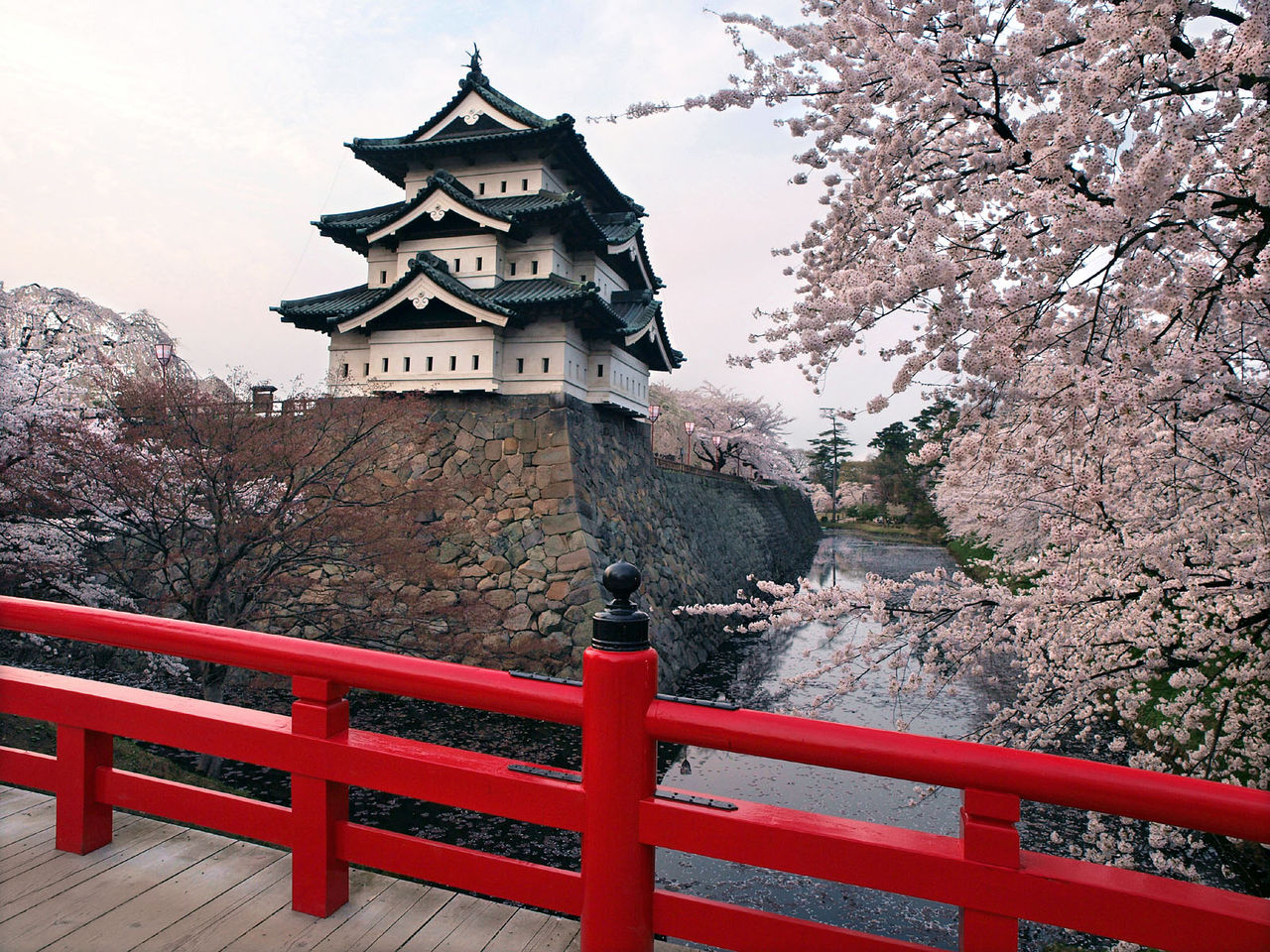
Hirosaki Park
Best period·Cherry blossoms typically peak late April to early May — check the official Hirosaki City website for real-time bloom forecasts. Autumn foliage is generally best mid-October to early November. Visit early morning to avoid the largest crowds.

山梨県
Arakurayama Sengen Park
Best period·Cherry blossoms typically peak from early to mid-April, when the combination of blooms, pagoda, and snow-capped Fuji is at its most spectacular. Arrive well before sunrise for the best light and fewer crowds. Autumn foliage is generally at its finest in early to mid-November. Check the official site for current conditions before visiting.

東京都
Chidorigafuchi Moat
Best period·Cherry blossoms typically peak from late March to early April, and the promenade can be extremely crowded on weekends — even late into the evening. Evening illuminations are usually held during blossom season (check official sources for current details). Arriving early on a weekday morning gives the most serene experience.

東京都
Meguro River Cherry Blossoms
Best period·Cherry blossoms typically peak between late March and early April, though the exact timing shifts with winter temperatures each year. Peak weekend afternoons are extremely crowded; weekday mornings or evening hours during the illumination period offer a noticeably calmer experience.

長野県
Takato Castle Park
Best period·The Takato Kohigan cherry trees typically peak in early to mid-April, though exact timing varies with annual temperatures. Check the official town website or cherry blossom information services before traveling. The park charges an admission fee during the blossom season (confirm current rates before visiting). Weekday mornings offer the most relaxed experience.
In the same area

東京都
Showa Kinen Park
Best period·Cherry blossoms (late March to early April) and ginkgo foliage (late October to mid-November) draw the largest crowds. Visit on weekdays or arrive at opening time during peak weeks. Check the official website for the latest bloom information before your trip.

東京都
Yushima Tenjin Shrine
Best period·Plum blossoms typically peak from early to mid-February through early March. The annual plum festival draws large crowds; early mornings on weekdays are the quietest. Autumn foliage (mid to late November) is also beautiful. Examination season (December–February) brings a constant stream of hopeful students.

東京都
Mt. Takao
Best period·Autumn colour typically peaks from mid- to late November; spring violet season is quieter and usually runs through April. Winter clear days offer the sharpest views of Mount Fuji. Weekends during autumn foliage season see heavy congestion all the way to the summit — a weekday morning start makes a significant difference.

東京都
Rikugien Garden
Best period·The weeping cherry peaks around late March to early April; autumn foliage typically reaches its best from mid-November through early December. Both seasons feature evening illuminations — arrive on a weekday and early to avoid the heaviest crowds. Always check the official Tokyo Metropolitan Park website for current conditions.

東京都
Meiji Jingu Gaien Ginkgo Avenue
Best period·Yellow foliage typically peaks from mid-November to early December. Clear, calm mornings are ideal — sunlight through the ginkgo leaves creates a near-luminous golden effect. Weekends and public holidays draw large crowds; a weekday morning or late afternoon visit is recommended. Exact timing varies by year.

東京都
Inokashira Park
Best period·Late March to early April
events nearby
東京都 · 2026

July 25, 2026
Sumida River Fireworks Festival
東京都
Held annually on a Saturday in late July. Postponement to the following Saturday is common in the event of heavy rain or storms. Always check the official website and announcements from Taito and Sumida wards for the confirmed date and any last-minute changes.

November 14, 2025 〜 December 25, 2025
Tokyo Midtown Christmas
東京都
The event typically runs from late November through around December 25th. Illumination hours and the exact closing date vary by year — check the official Tokyo Midtown website for current-season details. Weekday evenings tend to be less crowded than weekends and the days immediately before Christmas.

March 22, 2026 〜 April 5, 2026
Meguro River Cherry Blossom Festival
東京都
The cherry trees typically peak between late March and early April, though the exact timing shifts year to year depending on winter temperatures. Monitor Tokyo's official blossom forecasts and check the festival's official site for confirmed event dates before visiting.

March 26, 2026 〜 April 6, 2026
Chidorigafuchi Cherry Blossoms (Chiyoda Sakura Festival)
東京都
Peak bloom typically falls between late March and early April, with the Chiyoda Sakura Festival running concurrently. Exact dates shift by one to two weeks depending on winter temperatures, so confirm the illumination schedule and festival programme on the official website before visiting.

August 1, 2026
Edogawa Fireworks Festival
東京都
Typically held in August each year. The event may be cancelled or postponed due to rain or strong winds. Always check the official Edogawa Ward or Ichikawa City website for the confirmed date and seating details.

May 14, 2026 〜 May 15, 2026
Kanda Matsuri
東京都
The full Honmatsuri processions take place around mid-May in odd-numbered years only. In even-numbered years, a reduced Kage Matsuri is held. Exact dates vary each year — check the official Kanda Myojin website for the latest schedule before planning your visit.