
Photo: kkawamura / Wikimedia Commons (CC BY 4.0)
北海道
Shiretoko Drift Ice
Overview
Every winter, the Sea of Okhotsk performs a slow, irresistible transformation. From late January onward, a vast sheet of drift ice — born near the mouth of the Amur River in Siberia — rides the currents and seasonal winds southward until it grinds against the coastline of the Shiretoko Peninsula in eastern Hokkaido. At roughly 44 degrees north latitude, Shiretoko sits at one of the lowest latitudes in the world where drift ice regularly makes landfall, a fact that underlines just how extraordinary the phenomenon is. The peninsula itself, whose Ainu name means 'the end of the earth,' was designated a UNESCO World Natural Heritage Site in 2005, and the winter sea ice is one of the central reasons why. The ice that arrives is not simply frozen seawater. It originates in the freshwater outflow of the Amur River, which lowers the salinity of the northern Okhotsk Sea enough to allow freezing to begin each November. By February — the height of the season — the ice field typically extends as far as the eye can see from Utoro harbor, a compressed landscape of white slabs and ridges that muffles sound and turns the horizon into a clean, hard line. Within and beneath this ice lives an intricate web of life: phytoplankton locked inside ice crystals release nutrients when the ice melts in spring, setting off a chain reaction that ultimately feeds everything from capelin to brown bears. In winter the ice itself becomes habitat — Steller's sea eagles and white-tailed eagles perch on floes scanning the open leads for fish, while spotted seals haul out to rest on the ice surface. For visitors, the iconic way to experience the drift ice is aboard the 'Aurora,' the sightseeing icebreaker that departs Utoro harbor and forces a path through the floes with deep, grinding thuds. Standing on deck as the bow splits ice just meters away is a visceral, cold-air-in-the-lungs experience unlike anything else in Japan. For those willing to go further, licensed guide operators offer 'Walk on the Ice' tours in which participants don drysuits and step directly onto the frozen sea — and then float in it — with views of the Shiretoko mountain range rising above the white plain.
Best period
February is generally the peak month for drift ice, though ice can appear from late January and persists into early March. Conditions vary considerably year to year. Check the latest ice contact and density reports through the Drift Ice Information Center or the icebreaker's official site before you travel.
1 〜 3 月
Access
📍 Address: 3-4 Minami, Abashiri, Hokkaido
From JR Shari Station (Semmo Main Line), take the Shari Bus to Utoro Onsen — about 50 minutes. By car, follow Route 334 from Abashiri or Memanbetsu Airport. Winter roads are icy; a 4WD vehicle with studded or winter tyres is essential.
Map
Related spots
Same theme

北海道
Abashiri Drift Ice (Aurora Icebreaker Cruise)
Best period·Drift ice typically arrives in late January and retreats by early March, with the densest coverage usually in the first half of February. Aurora cruises run subject to ice and weather conditions — confirm schedules and book ahead on the official website. Warm, windproof layers, gloves, and ear protection are essential on deck.

北海道
Monbetsu Drift Ice (Garinko-go)
Best period·Late January to early March

北海道
Rausu Drift Ice Cruise
Best period·February to mid-March
In the same area

北海道
Farm Tomita
Best period·Peak lavender bloom falls in early to mid-July and draws enormous crowds. Arrive at opening time or visit on a weekday to avoid the worst congestion. Mixed-flower fields extend the season into September — check the official website for current bloom conditions.
北海道
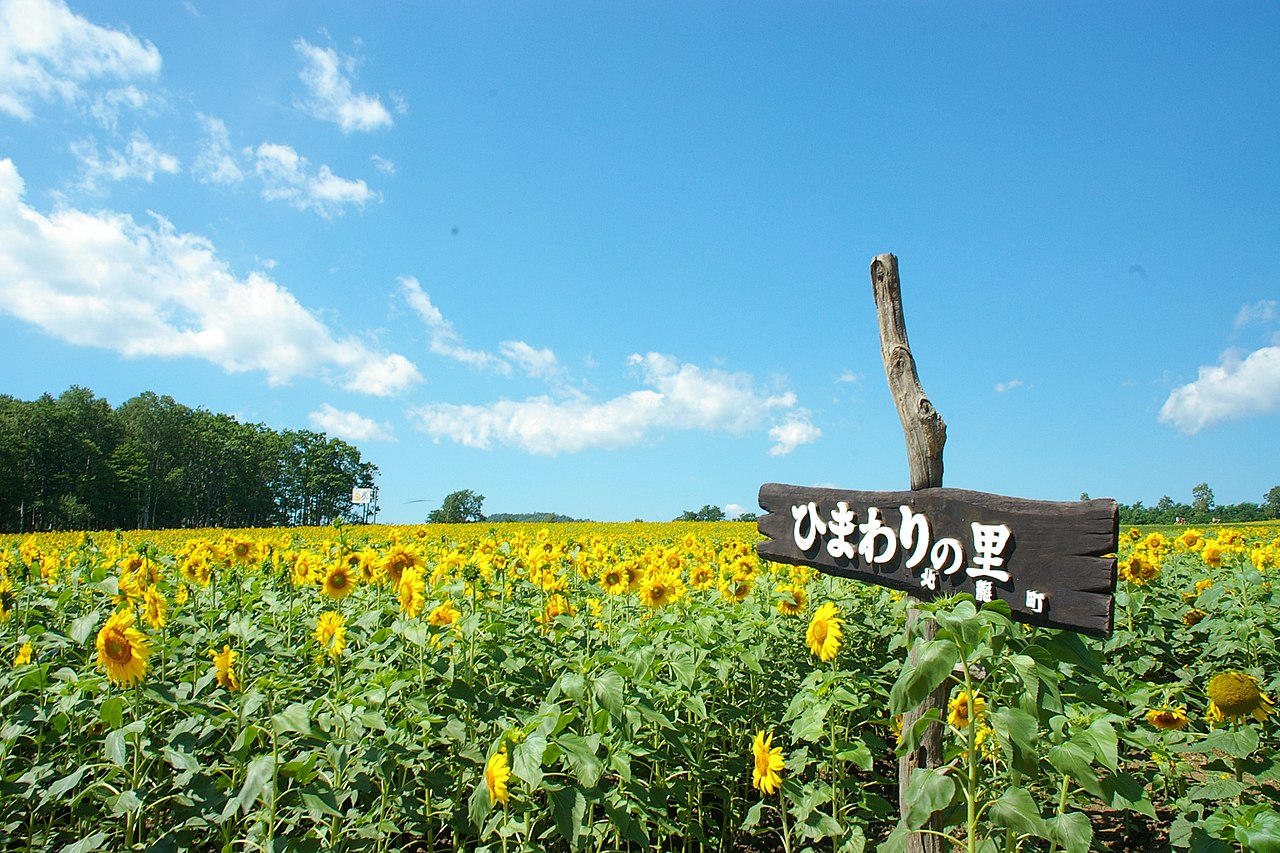
Hokuryu Sunflower Village
Best period·Peak bloom typically runs mid-July to mid-August. Clear mornings with low-angled light offer the most dramatic views. Blooming dates shift with temperatures each year — check the town's official tourism site before visiting.

北海道
Sounkyo Gorge
Best period·Autumn colour peaks around early-to-mid October — earlier than most of Japan. Summer (July–August) is ideal for the waterfalls and alpine hiking. The winter ice festival runs roughly January–February; check official sources for exact dates and hours.

北海道
Takinoue Park (Pink Moss)
Best period·Pink moss typically peaks from mid-May to early June, though the exact timing shifts by a week or two depending on the year's temperatures. Check the official Takinoue tourism website for current bloom updates before your visit. Early morning light is ideal for photography, and crowds are thinner before midday.

北海道
Bihoro Pass
Best period·Autumn foliage peaks in early to mid-October — one of Hokkaido's finest leaf-colour viewpoints. Summer (June–July) offers vivid green hillsides against the lake's deep blue. The fog-waterfall phenomenon occurs on cold, calm autumn and winter mornings; arrive early for the best chance of seeing it.

北海道
Mt. Daisetsu (Asahidake & Kurodake)
Best period·Asahidake's foliage typically peaks in late August to early September — among the earliest in all of Japan. Kurodake follows in mid-to-late September. Alpine flowers are at their best in July and August. Both gondolas become very crowded during peak autumn colour; visit on weekdays and arrive early to avoid long queues.
events nearby
北海道 · 2026

February 4, 2026 〜 February 11, 2026
Sapporo Snow Festival
北海道
Typically held for approximately ten days in early to mid-February. Exact dates and venue details vary year to year — always check the official website for the current schedule before planning your visit.
July 1, 2026 〜 July 31, 2026
Furano Lavender Season
北海道
Lavender typically blooms from late June through early August, peaking in mid- to late July. Exact timing varies each year depending on temperature. Check individual farm websites and the local tourism association for up-to-date bloom reports before your visit.

February 6, 2026 〜 February 11, 2026
Asahikawa Winter Festival
北海道
Typically held for several days in early to mid-February. Exact dates and venue details change each year — check the official website before making plans. Weekends draw the largest crowds.
July 20, 2026 〜 August 18, 2026
Hokuryu Sunflower Village & Festival
北海道
Sunflowers typically reach peak bloom from early to mid-August, when the annual festival is also held. Exact timing varies with the season's temperatures — check the Hokuryu Tourism Association's official site for current bloom updates before you visit.

February 7, 2026 〜 February 14, 2026
Otaru Snow Light Path
北海道
Held annually for approximately ten days in early to mid-February. Exact dates, lighting hours, and venue details vary each year — always check the official website before your visit. Events may be reduced in severe weather.

November 20, 2026 〜 March 14, 2027
Sapporo White Illumination
北海道
Typically runs from late November through the end of February. Exact dates, venue areas, and lighting hours vary by year — always check the official website before visiting. Year-end holidays and weekends are the busiest periods.