
Photo: abok / Wikimedia Commons (CC BY-SA 3.0)
兵庫県
Takeda Castle Ruins
Overview
Perched atop Mount Kogas (also known as Toragoe-yama) at an elevation of 353 metres in Asago City, Hyogo Prefecture, the ruins of Takeda Castle rank among the most atmospheric castle sites in all of Japan. The stone walls — built in the dry-stacking technique called nozurazumi, fitting boulders together without mortar — extend roughly 400 metres from north to south and 100 metres east to west, preserving the castle's original layout with extraordinary completeness. The castle was established in the mid-Muromachi period under the influence of the powerful Yamana clan, and the Otagaki family served as its lords for generations. It fell to Hashiba Hidenaga — younger brother of Toyotomi Hideyoshi — in the late Sengoku era, and was decommissioned after the Battle of Sekigahara in 1600. Yet after more than four centuries of abandonment, its stonework endures with a solidity that borders on the supernatural. What transformed Takeda from a regional curiosity into a nationally famous destination is the phenomenon known as the 'castle in the sky': on clear autumn mornings, mist rising from the Maruyama River valley blankets the town of Asago far below while the stone walls alone emerge from the grey sea of cloud like a ship's hull at anchor. The most celebrated vantage point is the Riunkyō gorge, directly across the valley, where the full panorama of mist and floating silhouette unfolds at eye level. This scene typically appears between early October and late November, on mornings following a large swing in temperature and humidity, most dramatically in the hours just after dawn. Outside the autumn mist season, the castle offers its own quiet rewards: mountain cherry blossoms in April bloom against the mossy stones, summer reveals the full green depth of the surrounding mountains, and winter snowfall occasionally coats the walls in white. Designated one of Japan's 100 Famous Castles in 2006, Takeda is above all a place where the passage of time feels tangible — where you walk through a skyline shaped by hands that worked five centuries ago.
Best period
The sea of clouds appears most often from early October to late November on clear mornings with a sharp overnight temperature drop; peak viewing is roughly 6–8 a.m. The Riunkyō viewing platforms fill before dawn, so arrive early. Cherry blossoms in April are a secondary highlight.
9 〜 11 月
Access
📍 Address: 169 Kojoyama, Takeda, Wadayama-cho, Asago, Hyogo
From JR Bantan Line Takeda Station, allow about 40 min on foot or take a taxi to the trailhead. Parking is available near the station. During cloud-sea season, Riunkyō car parks fill before sunrise — public transport or early arrival is essential.
Map
Related spots
Same theme

北海道
Bihoro Pass
Best period·Autumn foliage peaks in early to mid-October — one of Hokkaido's finest leaf-colour viewpoints. Summer (June–July) offers vivid green hillsides against the lake's deep blue. The fog-waterfall phenomenon occurs on cold, calm autumn and winter mornings; arrive early for the best chance of seeing it.

徳島県
Mt. Tsurugi (Sea of Clouds)
Best period·The sea of clouds appears most reliably from late September to mid-November, ideally on mornings that follow a rainy day and turn calm and clear by dawn. Check local mountaineering communities or the tourist association website for up-to-date conditions before visiting.

奈良県
Odaigahara Plateau (Sea of Clouds)
Best period·The sea of clouds appears most reliably from September through November, especially after a rainy day followed by a clear, calm morning. Autumn foliage typically peaks in mid-to-late October. Rhododendrons bloom in early June. Always check conditions before visiting.
北海道
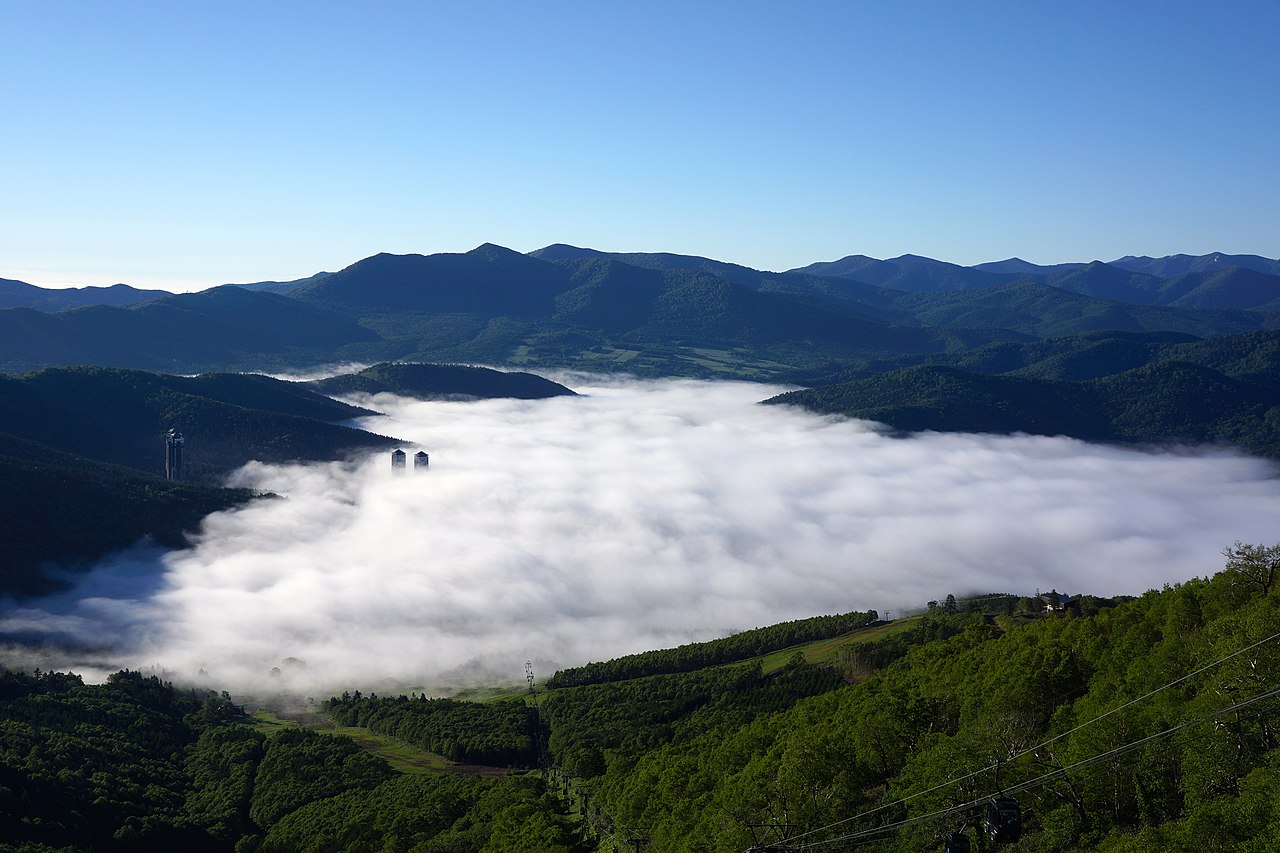
Unkai Terrace at Hoshino Resorts Tomamu
Best period·Early mornings from mid-May to mid-October (subject to weather)

長野県
SORA terrace, Ryuoo Mountain Park
Best period·June to October, especially early mornings after rain and at dusk (weather dependent)

熊本県
Aso Daikanbo Sea of Clouds
Best period·Clear, sharply chilled early mornings from late September to November (weather dependent)
In the same area

兵庫県
Himeji Castle
Best period·Cherry blossoms in Sannomaru Plaza typically peak from late March to early April, when roughly a thousand trees frame the white towers in pink — one of Japan's most celebrated seasonal scenes. Summer mornings offer soft light and smaller crowds; arriving at opening time on a weekday is ideal year-round.

兵庫県
Himawari no Oka Park
Best period·Sunflowers typically peak from mid-July through August; cosmos reach their best around October. Exact timing varies with each year's weather — check Ono City's official tourism site before visiting. Early mornings offer the best light and smaller crowds.

兵庫県
Kobe Luminarie
Best period·The event typically runs for about two weeks in early-to-mid December. Weekends and the first evenings after lighting are extremely crowded; visiting on a weekday, either soon after opening or in the final hour before closing, allows a more reflective experience. Dress warmly — sea winds off Osaka Bay can be biting.

兵庫県
Shirai Omachi Wisteria Park
Best period·Late April to early May

兵庫県
Lavender Park Taka
Best period·Mid-June to early July

兵庫県
Sayo Nanko Sunflower Fields
Best period·Mid-July to early August
events nearby
兵庫県 · 2026

March 27, 2026 〜 April 5, 2026
Himeji Castle Cherry Blossoms
兵庫県
Cherry blossoms at Himeji Castle typically peak in late March to early April. The Kansakura-kai daytime festival and Yozakura-kai evening illumination event dates vary each year depending on the bloom; check the Himeji Castle official website for the current season's schedule, hours, and admission details.

January 30, 2026 〜 February 8, 2026
Kobe Luminarie
兵庫県
Luminarie is held annually in December, typically running for around two weeks in the first to middle of the month. The exact dates, hours, ticketing arrangements, and admission policies vary each year — always check the official website before planning your visit.