
Photo: t-konno / Wikimedia Commons (CC BY-SA 3.0)
北海道
Takinoue Park (Pink Moss)
Overview
Perched on rolling hills in Takinoue, a small inland town in Hokkaido's Monbetsu district, Takinoue Park is one of the largest pink moss (shibazakura, or Phlox subulata) fields in Japan. Across roughly ten hectares of open hillside, a dense carpet of pale pink, white, and lavender blossoms spreads in every direction — a sight that unfolds each spring with a quiet, almost overwhelming completeness. The town of Takinoue sits in the upper reaches of the Kamishokotsu River valley, surrounded by hayfields, conifer forests, and the wide open landscapes that define interior Hokkaido. It was settled gradually through the Meiji and early Showa periods, and the park's elevation means that, on a clear day, distant mountain ridges frame the flower fields in the background. This sense of depth and scale — flower carpet in the foreground, boreal wilderness beyond — gives Takinoue a different character from the more densely visited pink moss sites further south. There is more sky here, more silence, and more of the particular clarity of a northern spring. Outside the bloom season, the park retains its appeal. Summer brings lush green hillsides and the sound of the nearby stream; autumn turns the surrounding broadleaf trees to yellows and oranges; winter transforms the entire landscape under deep Hokkaido snowfall. The pink moss festival (shibazakura matsuri), held annually during the bloom period, features local producers and events, and a viewpoint near the hilltop offers one of the park's signature panoramas: the entire flower field spread below, the sky enormous above.
Best period
Pink moss typically peaks from mid-May to early June, though the exact timing shifts by a week or two depending on the year's temperatures. Check the official Takinoue tourism website for current bloom updates before your visit. Early morning light is ideal for photography, and crowds are thinner before midday.
5 〜 6 月
Access
📍 Address: Motomachi, Takinoue-cho, Monbetsu, Hokkaido
The nearest rail access is Engaru Station (JR Sekihoku Main Line), with onward connections by bus or taxi. By car, approximately two hours from Pippu Junction via National Route 273. Parking fills up quickly during the bloom festival — arriving early is strongly advised.
Map
Related spots
Same theme

山梨県
Fuji Shibazakura Festival
Best period·Mid-April to late May in a typical year; late April to early May offers snow-capped Fuji views. Weekday mornings right at opening are far quieter than Golden Week weekends. Always confirm bloom status on the official site before traveling.

埼玉県
Hitsujiyama Park (Pink Moss Hill)
Best period·Moss phlox typically peaks from mid-April to early May; the exact timing shifts with the year's temperatures, so check the official site before visiting. Weekday mornings right at opening time offer the best light and smallest crowds. An admission fee or cooperative contribution may apply during peak season.
群馬県
Misato Shibazakura Park
Best period·Mid-April to early May

愛知県
Chausuyama Kogen Shibazakura Hill
Best period·Mid-May to early June

北海道
Higashimokoto Shibazakura Park
Best period·Early May to early June
岐阜県
Kunitaya Moss Phlox Garden
Best period·Late April to early May
In the same area

北海道
Farm Tomita
Best period·Peak lavender bloom falls in early to mid-July and draws enormous crowds. Arrive at opening time or visit on a weekday to avoid the worst congestion. Mixed-flower fields extend the season into September — check the official website for current bloom conditions.
北海道
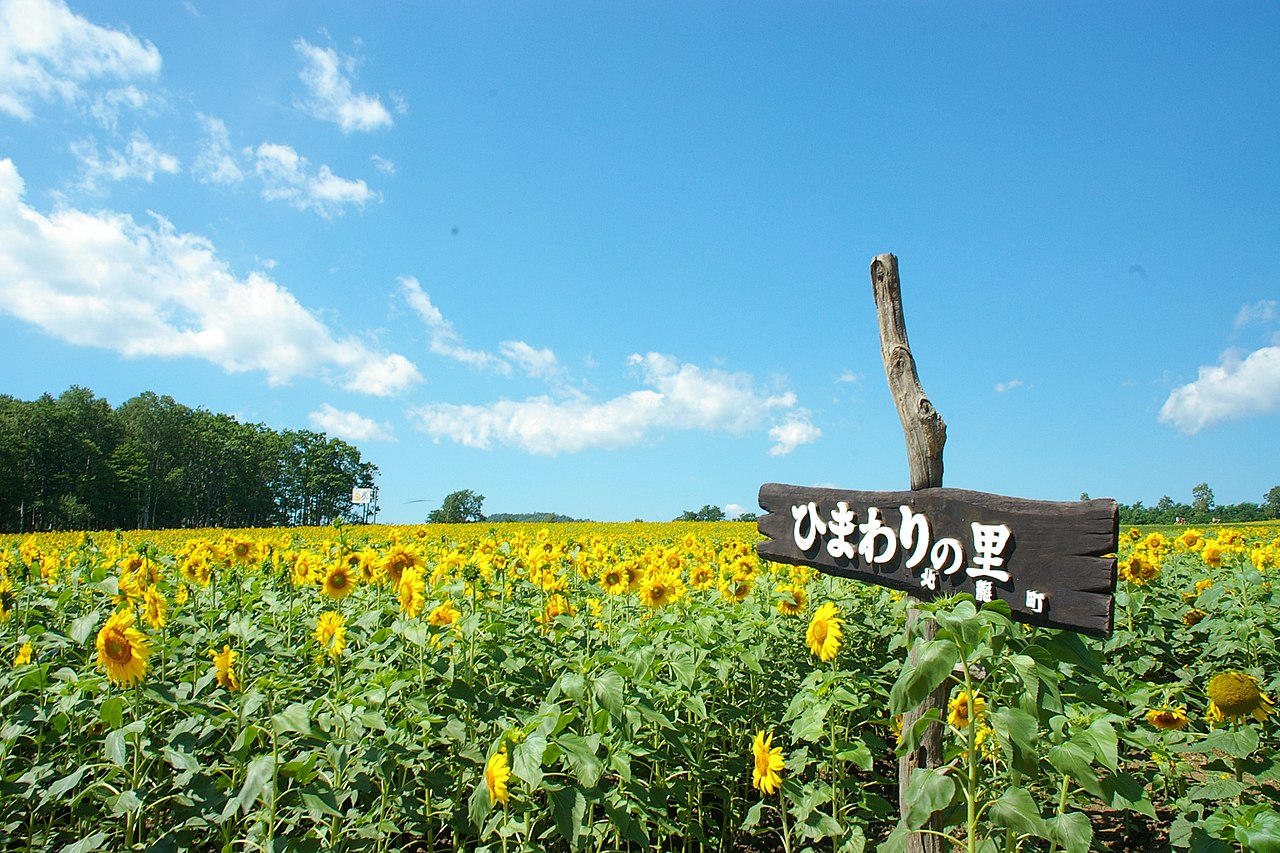
Hokuryu Sunflower Village
Best period·Peak bloom typically runs mid-July to mid-August. Clear mornings with low-angled light offer the most dramatic views. Blooming dates shift with temperatures each year — check the town's official tourism site before visiting.

北海道
Shiretoko Drift Ice
Best period·February is generally the peak month for drift ice, though ice can appear from late January and persists into early March. Conditions vary considerably year to year. Check the latest ice contact and density reports through the Drift Ice Information Center or the icebreaker's official site before you travel.

北海道
Sounkyo Gorge
Best period·Autumn colour peaks around early-to-mid October — earlier than most of Japan. Summer (July–August) is ideal for the waterfalls and alpine hiking. The winter ice festival runs roughly January–February; check official sources for exact dates and hours.

北海道
Bihoro Pass
Best period·Autumn foliage peaks in early to mid-October — one of Hokkaido's finest leaf-colour viewpoints. Summer (June–July) offers vivid green hillsides against the lake's deep blue. The fog-waterfall phenomenon occurs on cold, calm autumn and winter mornings; arrive early for the best chance of seeing it.

北海道
Mt. Daisetsu (Asahidake & Kurodake)
Best period·Asahidake's foliage typically peaks in late August to early September — among the earliest in all of Japan. Kurodake follows in mid-to-late September. Alpine flowers are at their best in July and August. Both gondolas become very crowded during peak autumn colour; visit on weekdays and arrive early to avoid long queues.
events nearby
北海道 · 2026

February 4, 2026 〜 February 11, 2026
Sapporo Snow Festival
北海道
Typically held for approximately ten days in early to mid-February. Exact dates and venue details vary year to year — always check the official website for the current schedule before planning your visit.
July 1, 2026 〜 July 31, 2026
Furano Lavender Season
北海道
Lavender typically blooms from late June through early August, peaking in mid- to late July. Exact timing varies each year depending on temperature. Check individual farm websites and the local tourism association for up-to-date bloom reports before your visit.

February 6, 2026 〜 February 11, 2026
Asahikawa Winter Festival
北海道
Typically held for several days in early to mid-February. Exact dates and venue details change each year — check the official website before making plans. Weekends draw the largest crowds.
July 20, 2026 〜 August 18, 2026
Hokuryu Sunflower Village & Festival
北海道
Sunflowers typically reach peak bloom from early to mid-August, when the annual festival is also held. Exact timing varies with the season's temperatures — check the Hokuryu Tourism Association's official site for current bloom updates before you visit.

February 7, 2026 〜 February 14, 2026
Otaru Snow Light Path
北海道
Held annually for approximately ten days in early to mid-February. Exact dates, lighting hours, and venue details vary each year — always check the official website before your visit. Events may be reduced in severe weather.

November 20, 2026 〜 March 14, 2027
Sapporo White Illumination
北海道
Typically runs from late November through the end of February. Exact dates, venue areas, and lighting hours vary by year — always check the official website before visiting. Year-end holidays and weekends are the busiest periods.