
Photo: Luka Peternel / Wikimedia Commons (CC BY-SA 4.0)
京都府
Tofuku-ji Temple
Overview
Tofuku-ji Temple stands in the Higashiyama district of southern Kyoto, presiding over a wooded ravine that separates it from nearly every other major temple in the city. It was founded in 1236 by the regent Kujo Michiie, who modelled his ambition on the great temple complexes of Nara — the name itself is a compound of characters taken from Todai-ji and Kofuku-ji. Decades of construction followed, and the resulting complex became one of the largest Zen temple precincts in Japan. Several of its original medieval buildings survive to this day, including the San-mon gate, which is recognised as the oldest Zen temple gate in Japan and ranks among the country's national treasures. What distinguishes Tofuku-ji above all else is the Sengyoku-kan, a natural ravine that cuts across the grounds from east to west, its slopes densely planted with some two thousand maple trees. Three elegant wooden bridges — Tsuten-kyo, Gaunbridge (Gaun-kyo), and Engetsu-kyo — span the gorge at different points, and it is from Tsuten-kyo, the Heavenly Thoroughfare Bridge, that the temple's defining view unfolds. In mid to late November the entire valley floor ignites in crimson and gold, seen from above through the bridge's lattice railings — an image so iconic it has become synonymous with Kyoto autumn itself. The same gorge is lush and cool in summer, draped in fresh green canopy that locals call ao-momiji, young maple leaves, which attract photographers and visitors who prefer a quieter communion with the landscape. Beyond the famous foliage, the four garden courtyards encircling the Hojo — the abbot's quarters — deserve equal attention. Designed in 1939 by the visionary landscape artist Mirei Shigemori, they are a radical reimagining of the classical karesansui dry garden. The south garden lays out a grid of moss squares and granite flagstones in a striking checkerboard pattern; the north garden uses azalea shrubs clipped into bold geometric mounds; and the west and east gardens each bring a different geometric vocabulary to rock and plant. Shigemori's genius lay in respecting Zen tradition while refusing to be bound by it, and these gardens remain some of the most intellectually exciting designed spaces in all of Japan.
Best period
Autumn colour typically peaks from mid to late November; queues for Tsuten-kyo Bridge can stretch for hours on popular weekends. Aim for a weekday and arrive at opening time. The fresh green 'ao-momiji' of April–May offers a serene, crowd-free alternative with equally striking reflections in the ravine.
11 〜 12 月
Access
📍 Address: 15-778 Honmachi, Higashiyama, Kyoto
Tofuku-ji Station (JR Nara Line or Keihan Main Line) is about a 10-minute walk away. City buses stop at 'Tofuku-ji.' Avoid driving during the November foliage season — parking is extremely limited and surrounding roads become gridlocked.
Map
Related spots
Same theme

京都府
Kiyomizu-dera Temple
Best period·Autumn foliage typically peaks mid- to late November, when the temple's maple groves rival the stage itself as the main attraction. Special evening illumination events are usually held during this period and in cherry blossom season — check the official site for exact dates and admission. Arriving right at opening time is the most reliable way to beat the crowds.

京都府
Eikando Zenrinji Temple
Best period·Autumn foliage typically peaks from mid to late November, when the roughly 3,000 maples across the grounds ignite in deep red. Evening illumination events are usually held during peak season (check the official site for schedules). Weekday mornings are far less crowded than weekends; the fresh greenery of May is a serene off-season alternative.

広島県
Miyajima Momijidani Park
Best period·Autumn foliage typically peaks mid-November to early December. Sunny mornings offer the most vivid light through the maples; evening illuminations (held most years during peak season — confirm with the Miyajima Tourism Association) add a magical dimension. Weekday mornings are far quieter than weekends.
京都府
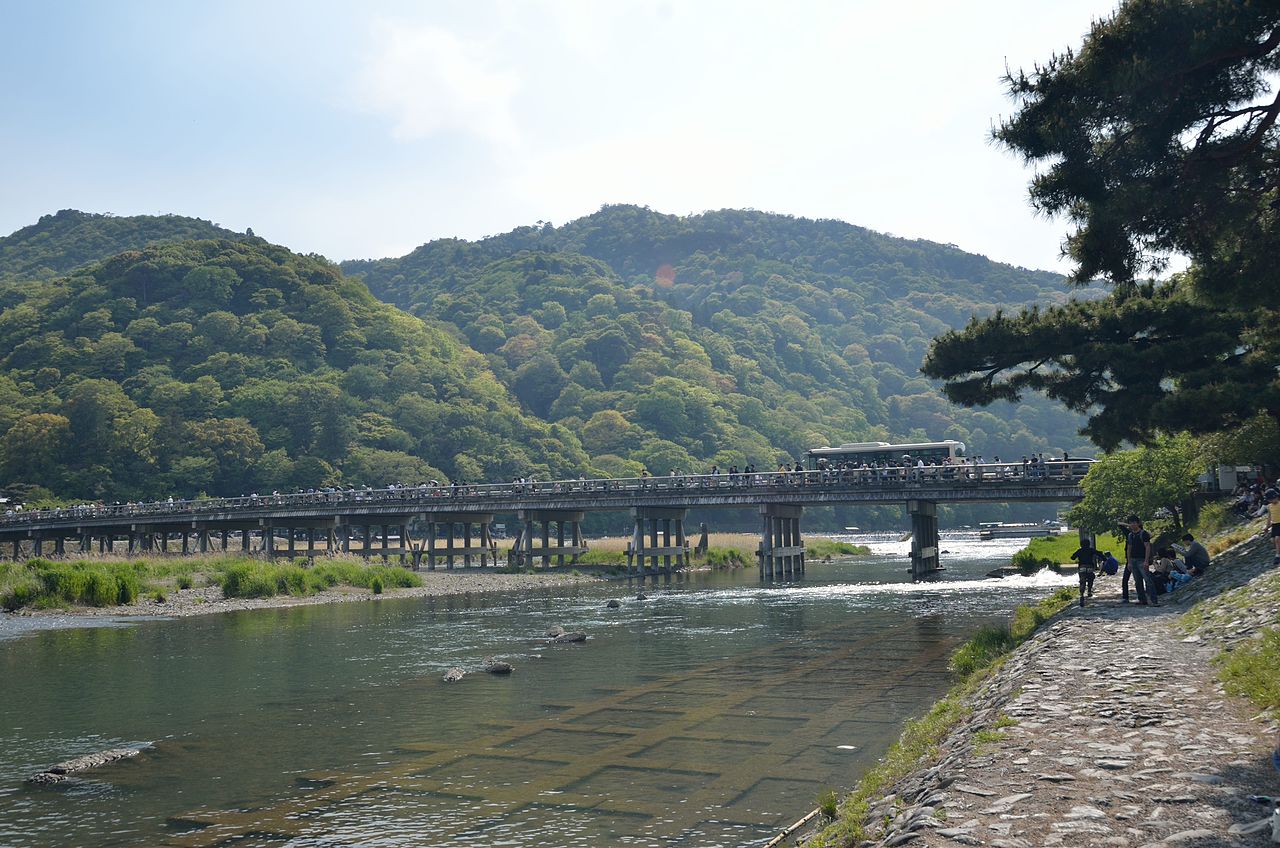
Arashiyama
Best period·Autumn foliage typically peaks mid- to late November; cherry blossoms usually appear late March to early April. Weekends during both seasons see heavy crowds throughout the day — arriving early on a weekday, ideally at opening time, makes an enormous difference. The bamboo grove is at its most atmospheric in early morning mist.

青森県
Oirase Stream
Best period·Autumn foliage typically peaks mid to late October — among the most spectacular in the Tohoku region. Summer (July–August) is popular for misty mornings and cool forest shade. Arrive at opening time or visit on weekdays to avoid the heaviest crowds.

北海道
Sounkyo Gorge
Best period·Autumn colour peaks around early-to-mid October — earlier than most of Japan. Summer (July–August) is ideal for the waterfalls and alpine hiking. The winter ice festival runs roughly January–February; check official sources for exact dates and hours.
In the same area

京都府
Mimurotoji Temple
Best period·Azaleas and rhododendrons typically peak late April through mid-May; hydrangeas peak mid-June to early July, drawing the largest crowds. Weekday mornings are far quieter. Autumn foliage is usually best mid to late November. Confirm admission details on the official website.

京都府
Daigo-ji Temple
Best period·Cherry blossoms typically peak in late March to early April, with the weeping cherry at Sanbo-in especially prized. Autumn foliage is at its best mid-to-late November. Both seasons bring large crowds; early morning entry is strongly recommended. The trail to Upper Daigo suits fit walkers.

京都府
Maruyama Park
Best period·The weeping cherry typically blooms late March to early April. Evening illuminations are held during peak bloom — hours vary by year, so check the latest official information. Weekday mornings and evening visits during blossom season offer far fewer crowds than weekend afternoons.

京都府
Philosopher's Path
Best period·Cherry blossoms typically peak from late March to early April; autumn foliage is usually at its best from mid- to late November. Weekend mornings during blossom season draw very large crowds — a weekday visit before 8 a.m., walking south from the Ginkaku-ji end, is the best way to experience the path in relative peace.
京都府
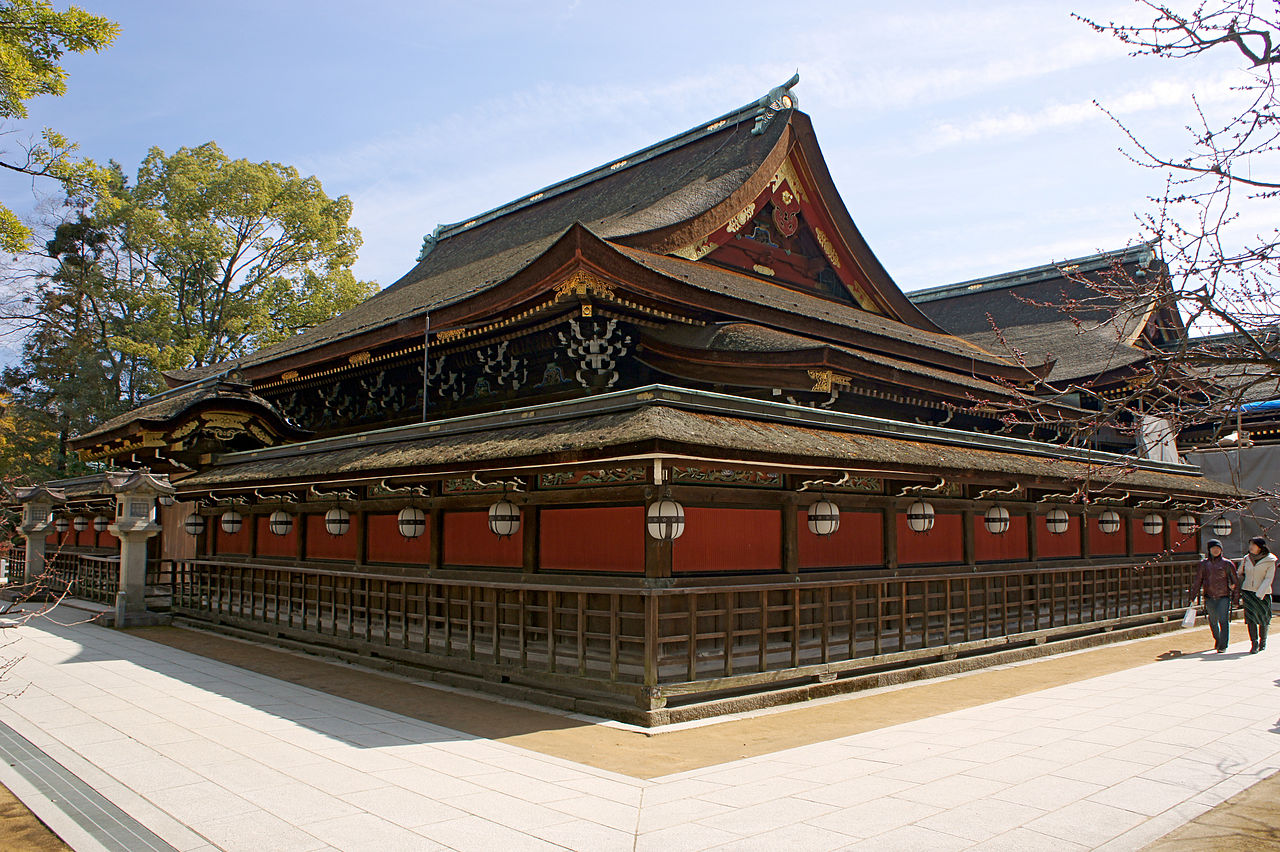
Kitano Tenmangu Shrine
Best period·Plum blossoms typically peak from early February to mid-March, when the inner plum garden opens for a fee. Autumn foliage in the maple garden usually runs mid-November to early December. The Tenjin-ichi market is held on the 25th of every month. Check the official site for exact admission periods and fees.

京都府
Rurikoin Temple
Best period·Open only during special seasons, typically around May (fresh green maples) and November (autumn foliage). Exact dates and reservation procedures vary each year — confirm via the official website. The autumn period in particular sells out quickly.
events nearby
京都府 · 2026

July 1, 2026 〜 July 31, 2026
Gion Matsuri
京都府
Gion Matsuri events span the entire month of July. The Saki Matsuri yoiyama evenings fall around July 14–16, with the procession around the 17th; the Ato Matsuri procession follows around the 24th. Exact dates vary by year — check the official Yasaka Shrine website before planning your visit.
December 11, 2026 〜 December 20, 2026
Arashiyama Hanatoro
京都府
Hanatoro typically runs for around ten days in early to mid-December, from sunset until approximately 9 p.m. Dates and hours vary each year. Check the official Kyoto Hanatoro website before your visit, and dress warmly — December nights in Arashiyama are cold.

May 15, 2026
Aoi Matsuri (Hollyhock Festival)
京都府
The main procession, the rotonogi, takes place around May 15th each year. In the event of rain it is typically postponed to the following day. The purification ceremony, the misogi, is held at the Kamo River on approximately May 14th. Check the official shrine websites for confirmed dates before visiting.

November 14, 2026 〜 December 9, 2026
Eikando Autumn Leaves
京都府
Peak colour typically falls in the second to third week of November, though the exact timing shifts each year with temperature. Evening illuminations usually run concurrently. Check the official website for current admission fees and hours before visiting.

August 16, 2026
Gozan no Okuribi (Five Mountain Bonfires)
京都府
Gozan no Okuribi takes place on the evening of August 16th each year, rain or shine (though severe weather may cause changes). Each mountain is lit in sequence over roughly 15–20 minutes starting after dark. Confirm exact lighting times with the Kyoto City Tourism Association or official sources before your visit.

October 22, 2026
Jidai Matsuri (Festival of the Ages)
京都府
Held annually on October 22nd, the founding anniversary of Heian Jingū. In the event of heavy rain or severe weather, the procession is typically postponed to the 23rd. Confirm the exact schedule on the Heian Jingū or City of Kyoto official website.