
Photo: Manish Prabhune / Wikimedia Commons (CC BY 4.0)
東京都
Yushima Tenjin Shrine
Overview
Perched on a gentle rise in the Yushima district of Bunkyo, Tokyo, Yushima Tenjin Shrine is one of the capital's most venerable places of worship and the city's foremost destination for students seeking divine assistance with their studies. The shrine traces its origins to 458 CE, when it was founded to enshrine the ancient deity Ame-no-Tajikarao-no-Mikoto. In 1355 the spirit of Sugawara no Michizane — the brilliant Heian-era scholar and poet who became the patron deity of learning after his death — was enshrined here as well, and it is his presence that has shaped the shrine's identity ever since. During the Edo period, the Tokugawa shogunate extended its patronage to Yushima Tenjin, cementing its reputation as the premier Tenjin shrine of the city and drawing worshippers from every stratum of society. The approach to the main hall climbs a stone staircase that seems, in a very Tokyoite way, to lift visitors briefly out of the urban bustle below. The current main hall, rebuilt in Japanese cypress in 1995, has an understated elegance — white plaster walls, warm wood, and a quietly authoritative presence. The ema votive plaques hanging near the main hall are a spectacle in themselves: during examination season, row upon row of wooden tablets are inscribed with the hopes of thousands of students, covering every school and university entrance exam imaginable. The weight of collective aspiration in that space is genuinely moving. The shrine's greatest seasonal display is its plum orchard (baien), which comes alive each year from roughly early February through early March, when around 300 plum trees in white, pink, and deep crimson varieties bloom in succession. An annual plum festival — exact dates vary, so check the official website — fills the precinct with the fragrance of blossoms and the sounds of outdoor tea ceremony and koto music. Even outside the plum season, the ginkgo trees turn golden in November, offering a quieter but equally rewarding reason to visit.
Best period
Plum blossoms typically peak from early to mid-February through early March. The annual plum festival draws large crowds; early mornings on weekdays are the quietest. Autumn foliage (mid to late November) is also beautiful. Examination season (December–February) brings a constant stream of hopeful students.
2 〜 3 月
Access
📍 Address: 3-30-1 Yushima, Bunkyo, Tokyo
About 2 min walk from Exit 3 of Yushima Station (Tokyo Metro Chiyoda Line). Also reachable in about 10 min on foot from Hongo-sanchome Station (Marunouchi Line). Parking near the shrine is very limited; public transport is strongly recommended.
Map
Related spots
Same theme

茨城県
Kairakuen Garden
Best period·Plum blossoms typically peak from mid-February to mid-March, with different cultivars blooming in sequence across several weeks. The Mito Plum Festival draws large crowds; weekday mornings are far quieter. The garden also merits a visit in early summer and autumn.

静岡県
Atami Plum Garden
Best period·Early cultivars typically begin blooming in early January, with peak plum season generally running from late January through mid-February. Different varieties extend the show over several weeks. The annual plum festival (usually held January–February) draws crowds; weekday mornings are much quieter. Autumn foliage peaks around late October to November.
京都府
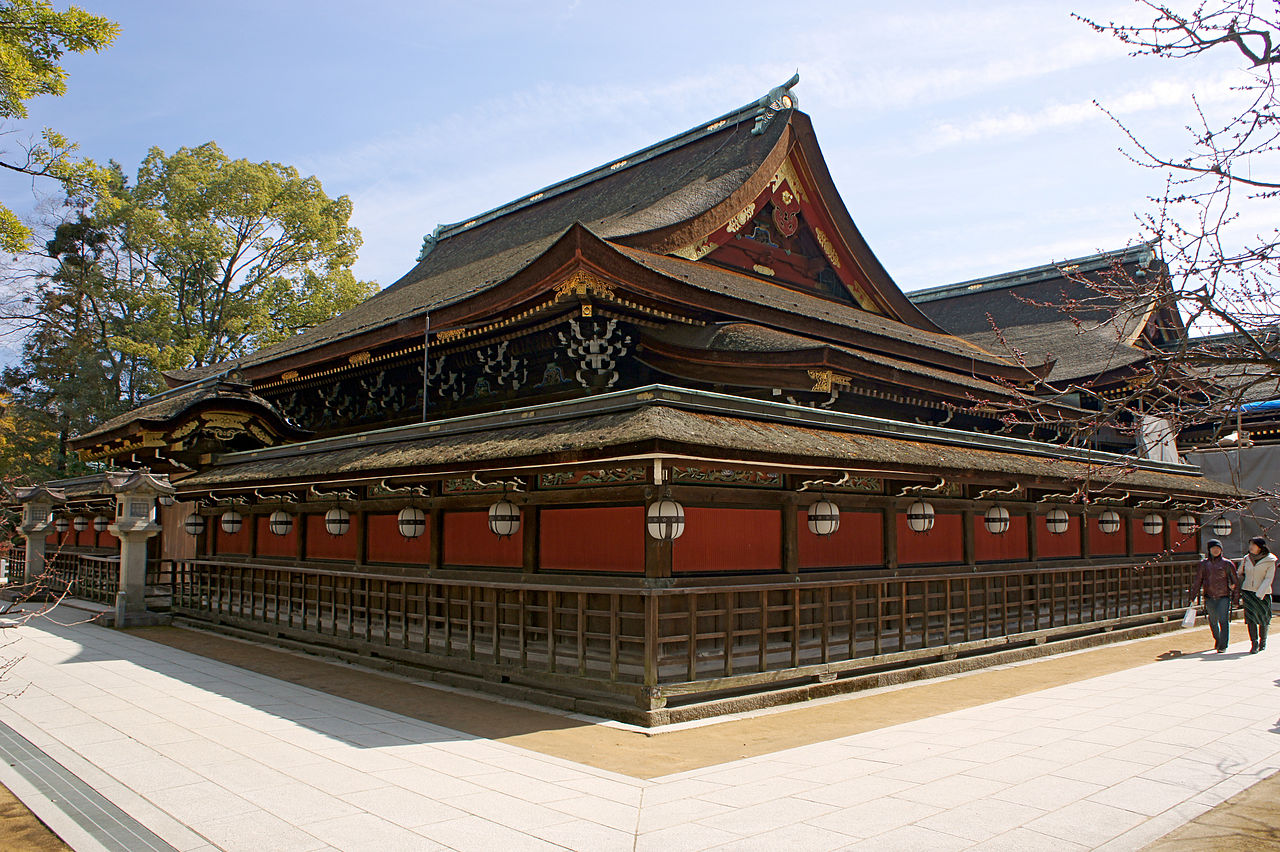
Kitano Tenmangu Shrine
Best period·Plum blossoms typically peak from early February to mid-March, when the inner plum garden opens for a fee. Autumn foliage in the maple garden usually runs mid-November to early December. The Tenjin-ichi market is held on the 25th of every month. Check the official site for exact admission periods and fees.

福岡県
Plum Blossoms at Dazaifu Tenmangu
Best period·Early February to early March

神奈川県
Soga Plum Grove
Best period·Early to late February

奈良県
Tsukigase Plum Valley
Best period·Late February to late March
In the same area

東京都
Showa Kinen Park
Best period·Cherry blossoms (late March to early April) and ginkgo foliage (late October to mid-November) draw the largest crowds. Visit on weekdays or arrive at opening time during peak weeks. Check the official website for the latest bloom information before your trip.

東京都
Chidorigafuchi Moat
Best period·Cherry blossoms typically peak from late March to early April, and the promenade can be extremely crowded on weekends — even late into the evening. Evening illuminations are usually held during blossom season (check official sources for current details). Arriving early on a weekday morning gives the most serene experience.

東京都
Meguro River Cherry Blossoms
Best period·Cherry blossoms typically peak between late March and early April, though the exact timing shifts with winter temperatures each year. Peak weekend afternoons are extremely crowded; weekday mornings or evening hours during the illumination period offer a noticeably calmer experience.

東京都
Shinjuku Gyoen
Best period·Cherry blossoms typically run from late March to late April, with multiple varieties extending the season longer than most Tokyo parks. Autumn colour usually peaks from mid-November to early December. Weekend mornings during both seasons draw large crowds; arriving on a weekday, shortly after opening, is the most effective way to enjoy the garden at its best. Note that alcohol is not permitted inside (confirm current entry fees and rules on the official website).

東京都
Mt. Takao
Best period·Autumn colour typically peaks from mid- to late November; spring violet season is quieter and usually runs through April. Winter clear days offer the sharpest views of Mount Fuji. Weekends during autumn foliage season see heavy congestion all the way to the summit — a weekday morning start makes a significant difference.

東京都
Rikugien Garden
Best period·The weeping cherry peaks around late March to early April; autumn foliage typically reaches its best from mid-November through early December. Both seasons feature evening illuminations — arrive on a weekday and early to avoid the heaviest crowds. Always check the official Tokyo Metropolitan Park website for current conditions.
events nearby
東京都 · 2026

July 25, 2026
Sumida River Fireworks Festival
東京都
Held annually on a Saturday in late July. Postponement to the following Saturday is common in the event of heavy rain or storms. Always check the official website and announcements from Taito and Sumida wards for the confirmed date and any last-minute changes.

November 14, 2025 〜 December 25, 2025
Tokyo Midtown Christmas
東京都
The event typically runs from late November through around December 25th. Illumination hours and the exact closing date vary by year — check the official Tokyo Midtown website for current-season details. Weekday evenings tend to be less crowded than weekends and the days immediately before Christmas.

March 22, 2026 〜 April 5, 2026
Meguro River Cherry Blossom Festival
東京都
The cherry trees typically peak between late March and early April, though the exact timing shifts year to year depending on winter temperatures. Monitor Tokyo's official blossom forecasts and check the festival's official site for confirmed event dates before visiting.

March 26, 2026 〜 April 6, 2026
Chidorigafuchi Cherry Blossoms (Chiyoda Sakura Festival)
東京都
Peak bloom typically falls between late March and early April, with the Chiyoda Sakura Festival running concurrently. Exact dates shift by one to two weeks depending on winter temperatures, so confirm the illumination schedule and festival programme on the official website before visiting.

August 1, 2026
Edogawa Fireworks Festival
東京都
Typically held in August each year. The event may be cancelled or postponed due to rain or strong winds. Always check the official Edogawa Ward or Ichikawa City website for the confirmed date and seating details.

May 14, 2026 〜 May 15, 2026
Kanda Matsuri
東京都
The full Honmatsuri processions take place around mid-May in odd-numbered years only. In even-numbered years, a reduced Kage Matsuri is held. Exact dates vary each year — check the official Kanda Myojin website for the latest schedule before planning your visit.